






Love doesn’t stay fresh by accident. Most people think finding “the one” is about chemistry, that spark, that magical feeling. But here’s the uncomfortable truth: feelings fade. What keeps relationships alive isn’t magic—it’s skill.
Feelings fade. What keeps relationships alive isn’t magic—it’s skill.
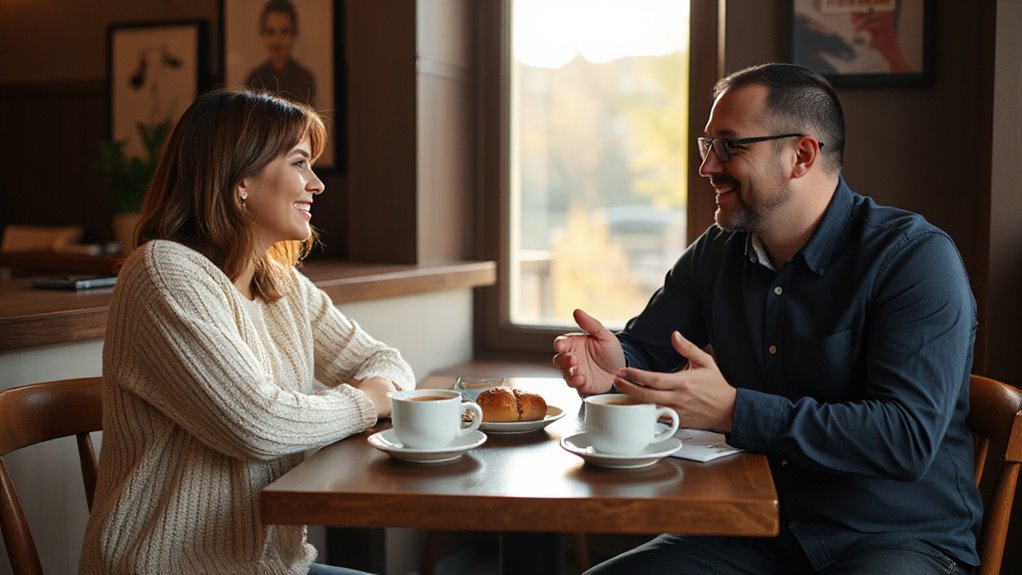
Research tracking couples over time shows something vital. When people improve how they communicate, their relationship satisfaction goes up. When communication gets worse, satisfaction drops. It’s not rocket science, but it is measurable. The catch? Positive communication changes don’t always predict better relationships. What matters more is avoiding the downward slide of negativity.
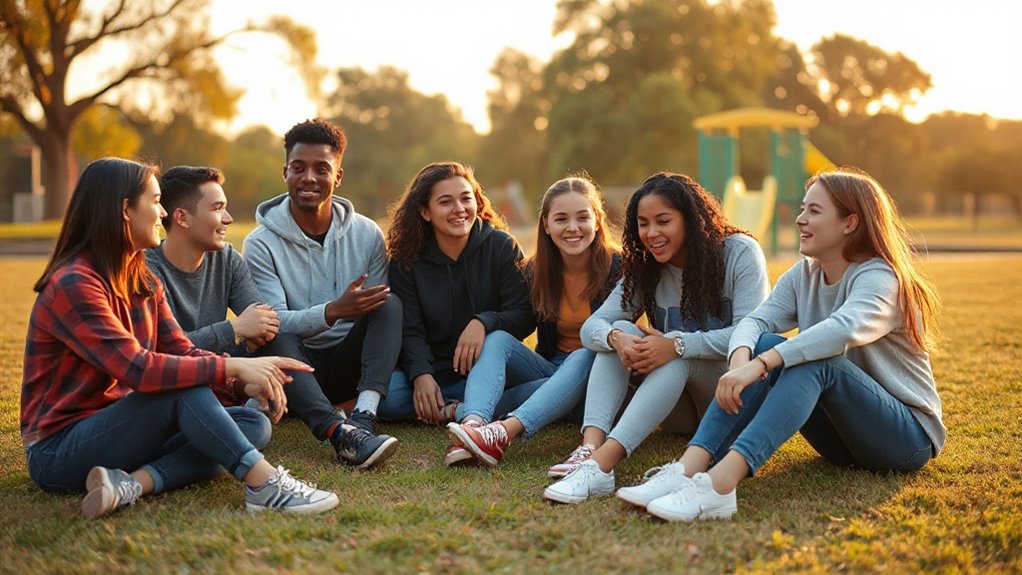
Teens who learn conflict management skills early see better relationship outcomes later. Those skills don’t magically appear—they develop through adolescence, though at different rates for different people. Seven out of eight relationship skills measured improve from middle to late adolescence, but conflict management stands out as the most consistent predictor of success.
Then there’s responsiveness—actually paying attention to your partner’s needs and showing you care. When people feel their partner is responsive, relationship quality climbs. Better yet, it creates upward spirals. You respond to them, they respond back, everyone feels closer. Compassionate goals—genuinely wanting to support your partner—fuel this cycle. Self-centered goals? They shrink when you feel your partner cares.
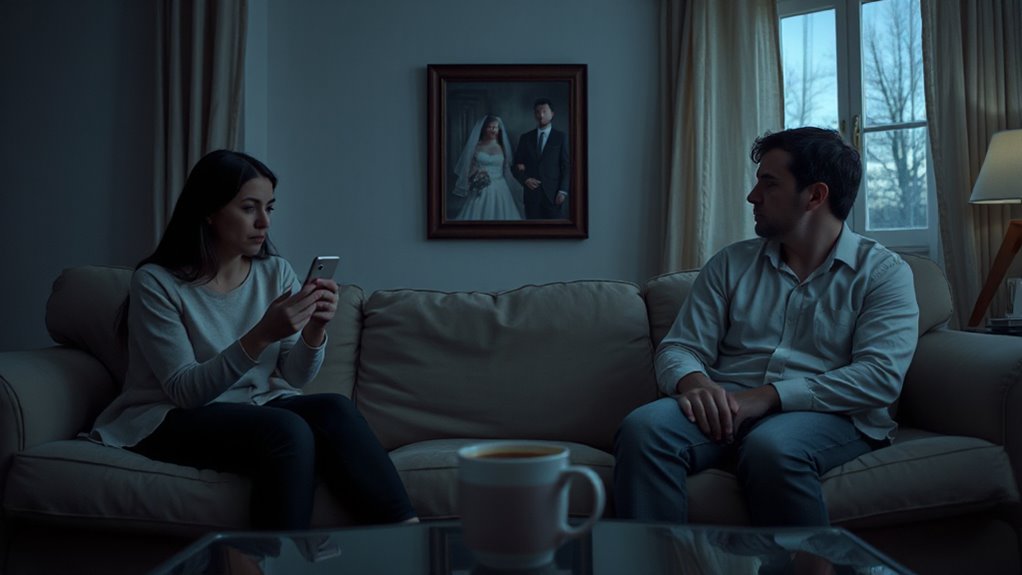
High-quality relationships protect mental health. They buffer stress and depression. Bad relationships, though? They increase anxiety, depression, even suicidal thoughts. Being unhappily married is worse for your mental health than being single. That’s not an argument for bailing at the first rough patch, but it underscores the stakes.
Meanwhile, social media throws gasoline on relationship fires. Nearly a quarter of partners report jealousy or uncertainty from their partner’s online interactions. Among young adults, that number jumps to a third.
What actually matters? Over ninety percent of adults across all ages and backgrounds agree: trust, honesty, and respect. Not chemistry. Not butterflies. The boring stuff everyone ignores while chasing sparks.
Skills can be learned. Conflict management, responsiveness, communication—they all improve with practice. Chemistry is nice. Skills keep love fresh.
Nearly half of people experience serious trust betrayals in relationships, which is why rebuilding trust through consistent, honest actions over time is critical.