



Dating apps feel like a slog, and everyone knows it. Sixty million people are actively swiping on Tinder alone, and despite the platform holding 46% of the dating app market, success stories actually dropped nearly 5% from 2021 to 2022. So why keep trying? Because the numbers say you should.
Dating apps dominate the market but success rates are falling—so why does persistence still matter?
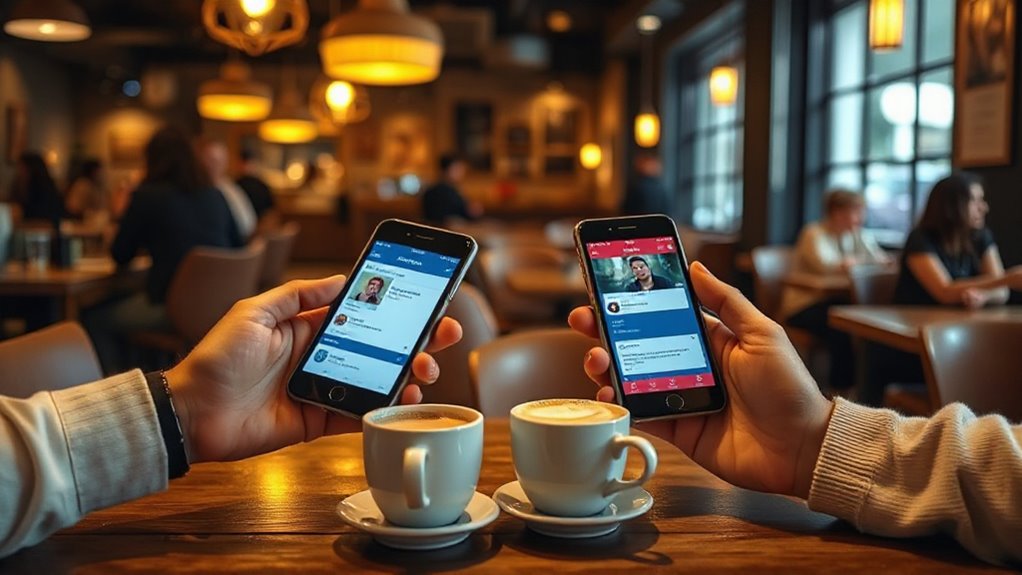
Over half of engaged couples met through dating apps in 2025, up from 39% in 2017. Online dating now accounts for more than half of how couples meet. Marriages that start online report higher satisfaction and lower divorce rates. Forty-two percent of U.S. adults say online dating makes finding a long-term partner easier, and 66% of users have gone on at least one date with a match. The method works, even when it feels like it doesn’t.
Here’s the reality check: only 21% of Americans believe dating algorithms can actually predict love. Thirty-five percent are straight-up skeptical, and 43% aren’t sure either way. Attractiveness matters first—boosting it by one standard deviation increases match chances by 20%. Personality only enters the equation after initial attraction. The algorithm isn’t magic, and it won’t fix everything.
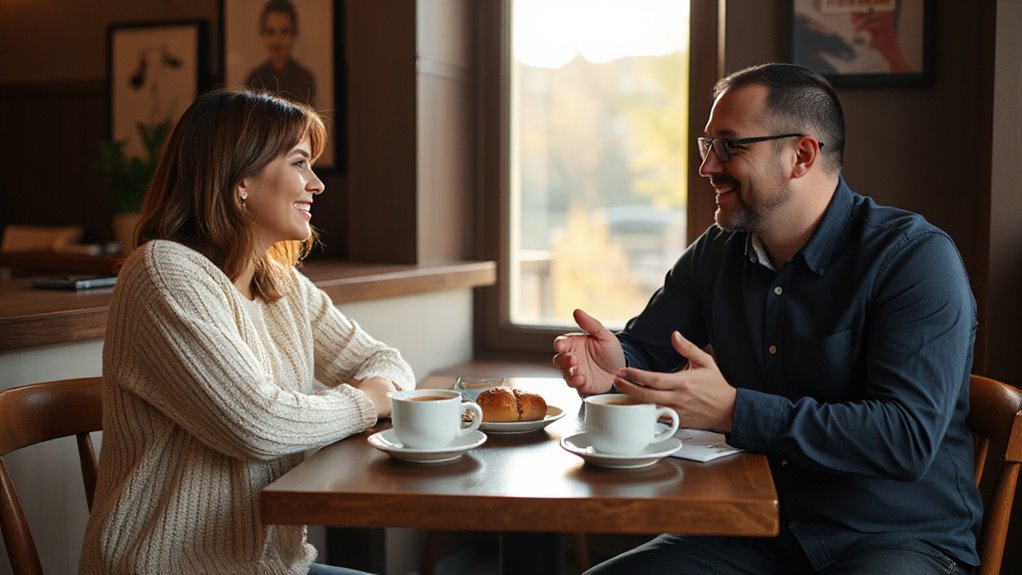
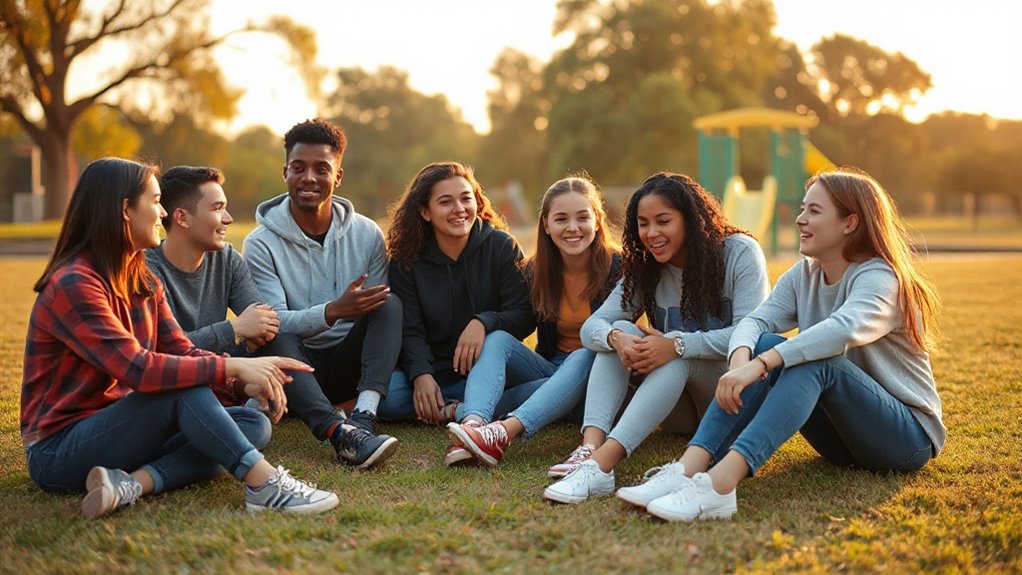
But dating apps aren’t the only path. Fifteen percent of couples still meet through friends, and those relationships are 30% more likely to last long-term. Friends provide built-in trust and shared interests. Another 10% meet at work, 7% at college, and smaller percentages connect at social events, through family, or at coffee shops and bars. In 2026, 42% of singles cite friends as a major influence on their love life, with 37% seeking double dates or group outings. Couples who met through friends often report higher initial trust and stability, which can help sustain relationships over time higher stability.
The smartest approach combines both worlds. Use the apps, but also show up to dinner parties and networking events. Twenty-two percent of online daters make friends through apps, which expands social circles and creates new opportunities. Fake profiles have dropped exponentially since 2015, and top sites eliminate 98% of scammers. Singles are dating smarter, more intentionally, more authentically. Modern trends like “slow dating” emphasize building genuine connections before rushing into commitment. Treat dating like an investment requiring patience and strategy. Stay persistent, stay open, and remember the statistics favor those who keep showing up. Despite 65% of users quitting after one month, many return or find success quickly, proving that early frustration doesn’t predict final outcomes.