


How to Suggest Splitting the Bill Before Your First Date
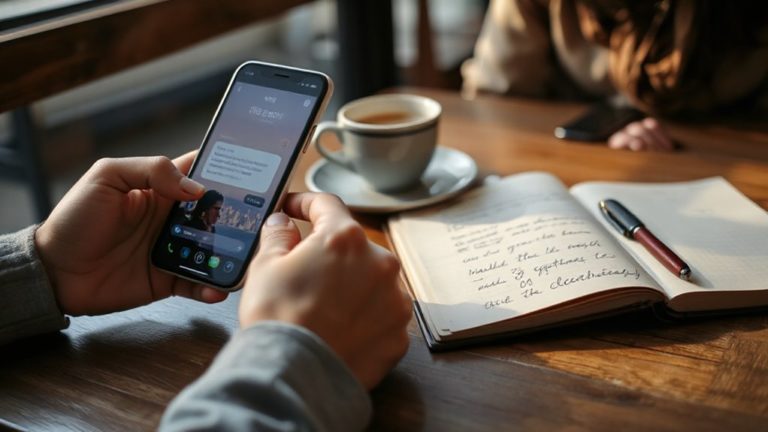
Before the first date even happens, the smartest move is to bring up splitting the bill in a quick, casual message while confirming plans. Try something like: “If it works for you, I’d love to split the tab. This way, we can focus on getting to know each other without worrying about logistics. Thank you for understanding my preference.” It’s direct without being demanding. Cities with higher single populations, like New York, tend to have more dating norms around cost-sharing, so clarifying expectations early helps avoid surprises.
What to Do When the Bill Arrives on a First Date?
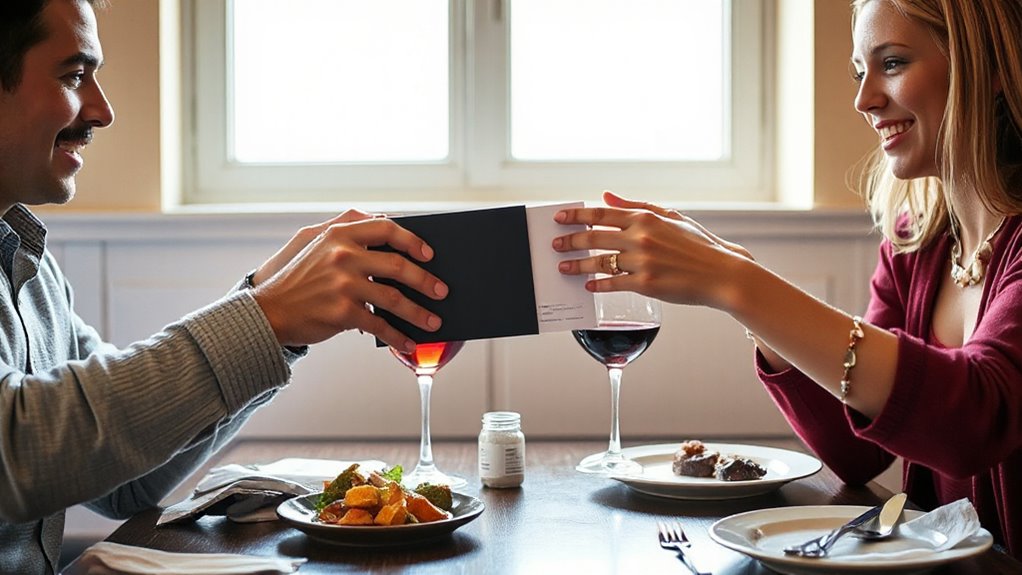
Once the pre-date conversation is settled, the real test happens when the server drops that little black folder on the table.
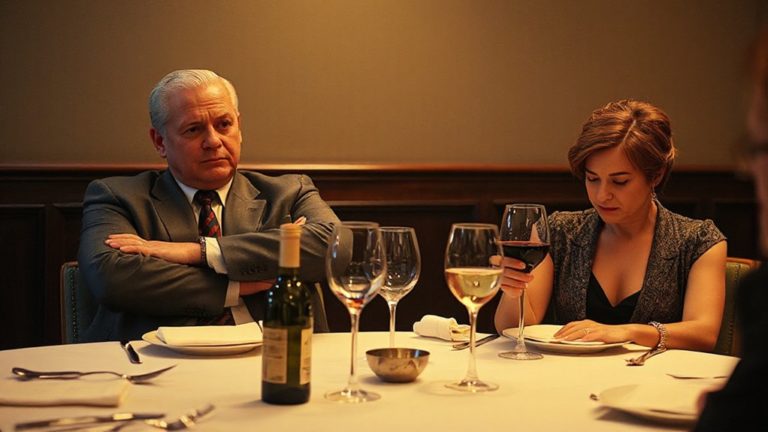
The check arrives and suddenly everyone at the table becomes very interested in their napkin.
Here’s how to handle it without looking desperate or clueless:
- Stay neutral and confident. Don’t freeze, don’t grab your phone, don’t bolt to the bathroom. Just wait calmly.
- Reach for it if you’re splitting. Make the first move toward the check—no fake wallet grabs.
- Offer once if you liked them. One “Are you sure?” is enough. Accept gracefully if they insist.
The moment passes faster than you think.
Just don’t make it weird.
Waiting calmly and showing genuine interest increases your chances of a smooth interaction, because referencing profile content in conversations boosts response likelihood and makes the follow-through feel more natural.
Who Pays for Drinks, Dinner, and Dessert
Drinks, dinner, dessert, the works. Here’s the baseline: whoever asks pays for everything unless you’ve agreed otherwise beforehand. That “want to grab dinner?” question makes you the host, so cover the tab. Same goes for drinks and any spontaneous “let’s get dessert” suggestions you throw out. Think of it like throwing a party—you wouldn’t charge guests admission. After the first date, splitting becomes fair game. But round one? The inviter handles it. Always bring enough cash anyway, though. You never know when you’ll need to cover your half or the whole thing. Wait 1-2 weeks before asking someone out to keep timing respectful and avoid moving too slowly; this helps maintain momentum and prevents turning the conversation into a prolonged pen-pal situation timing and progression.
When Splitting Means Paying for What You Ordered
When the check arrives and someone suggests splitting it, that doesn’t automatically mean slicing the total down the middle like some kind of mathematical exercise in fairness. It means paying for what you actually ordered.
The nondrinker shouldn’t subsidize someone else’s three cocktails, and ordering truffle fries doesn’t mean your date now owes half.
Consumption-based splitting avoids these awkward subsidies:
- Match payments to individual orders to prevent financing extras you didn’t want
- Apply the nondrinker principle universally—no covering expensive wine bottles
- Avoid imposing costly items like appetizers on someone who ordered conservatively
Split means split your own stuff. Texting can help coordinate who pays and when, especially by signaling consistent response timing to avoid awkwardness.
Why Offering to Split Signals Relationship Equality
Fairness isn’t some lofty ideal reserved for courtrooms and contract negotiations—it starts with who picks up the check.
Splitting the bill rejects outdated gender roles that expect men to bankroll romance. There’s zero scientific reason one gender should pay more.
When both people contribute, it signals mutual respect and kills the awkward power dynamic where someone feels indebted or obligated.
It’s a tangible sign of shared responsibility between equals—not roommates splitting rent, but partners establishing balance from date one.
Modern relationships demand modern solutions. Offering to split sets expectations for genuine partnership, not transactional courtship rituals nobody asked for anyway.
This approach also reduces mixed signals by emphasizing clear behavioral consistency in how both people interact.
How to Handle a Date Who Insists on Paying
Despite the previous subtopic’s emphasis on splitting checks, some dates will flat-out refuse to let anyone else pay—and fighting them on it just makes everything worse.
Don’t turn a generous gesture into an awkward standoff—some battles aren’t worth fighting.
When someone insists, it often signals courtesy, independence, or genuine desire to treat without strings attached. Forcing a split becomes rude theater nobody wants.
The move? Accept gracefully:
- Thank them sincerely without overcomplicating the gesture
- Offer to cover the tip as a reasonable compromise
- Take turns next time if another date happens
Respecting their insistence shows maturity. Sometimes kindness is just kindness—take it, say thanks, move on. Relationships are built on patterns of respectful behavior over time, so notice consistent mutual respect as a better gauge than one-off gestures.
When Your Date Expects to Pay the Full Bill
Some dates show up fully expecting to cover everything—and they’re not shy about it. That’s tradition talking: the provider role runs deep.
If your date reaches for the check with zero hesitation, don’t panic. Say thanks, but offer to split anyway. If they insist—really insist—let them.
Fighting too hard looks like rejection, honestly. You’re signaling you’re not interested in seeing them again. Accept gracefully, then suggest you cover the next one. That keeps things equal without turning dinner into a weird power struggle. Simple as that. Rejection is often about timing and compatibility, not personal worth, so treat it as information and move forward with resilience-building.