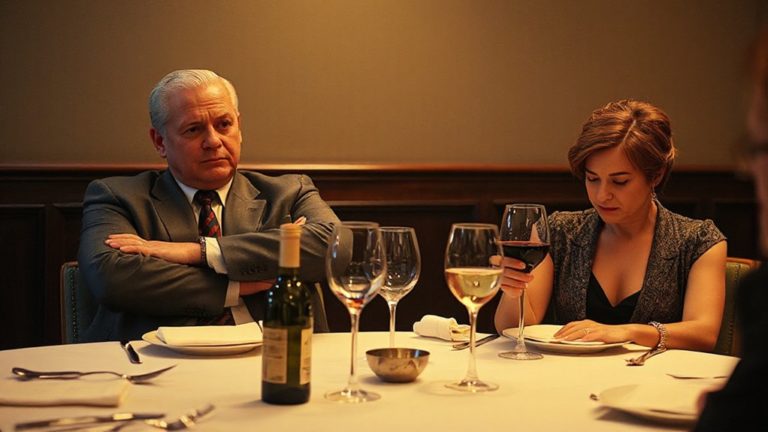


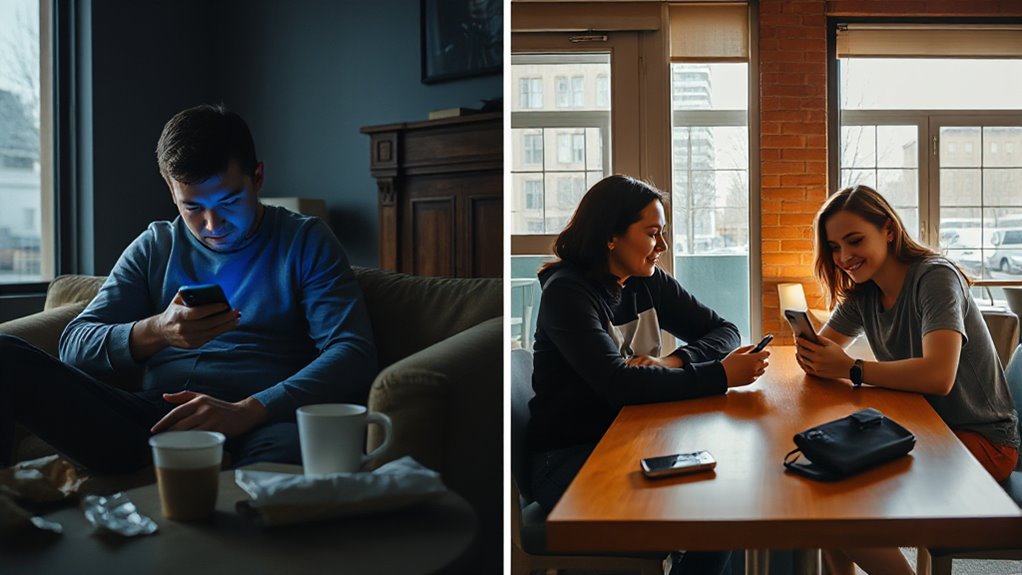

Partners who truly value you show up during messy moments, not just celebrations. They offer emotional support when life gets chaotic, communicate honestly without hiding details, and share relationship burdens equally. Real value appears in consistent actions—planning future goals together, respecting core beliefs, and prioritizing the partnership through daily choices. Forget grand romantic gestures; genuine care reveals itself in how they handle ordinary arguments and mundane stresses. These deeper patterns open relationship satisfaction.

How can someone tell if their partner actually values them, or if they’re just going through the motions? The answer lies in consistent patterns of behavior that show up when it matters most.
Real emotional support reveals itself during tough moments. A partner who truly values someone doesn’t just listen—they actively engage, validate feelings, and respond with empathy when stress hits. Research shows that high levels of trust and emotional responsiveness directly link to relationship satisfaction. This isn’t about grand gestures. It’s about being emotionally available when life gets messy.
Being emotionally available when life gets messy matters more than any grand romantic gesture ever could.
Trust and honesty form the backbone of genuine appreciation. Over 90% of adults rate these as the most important relationship aspects, and for good reason. Partners who value each other communicate honestly, stay consistent in their actions, and remain transparent about thoughts and feelings. If someone’s partner regularly hides things or gives vague answers, that’s a red flag worth noting.
Reciprocity matters more than most people realize. Valued partners don’t carry the entire emotional or practical load alone. Both people contribute equally to the relationship’s success—sharing resources, time, and effort in balanced ways. When one person consistently gives while the other takes, that imbalance signals a problem. Balanced reciprocity fosters sustainable, equitable partnerships where both individuals feel the relationship has mutual benefit.
Investment speaks louder than words. Partners who truly value each other make sacrifices, prioritize the relationship, and actively work to maintain and improve it over time. They plan for the future together and put real energy into shared goals. This investment predicts relationship stability better than romantic declarations ever could. Partners who demonstrate self-transcendence values by focusing on their partner’s welfare and relationship needs tend to create higher quality romantic relationships.
Shared values and goals create the foundation for lasting appreciation. Couples who understand and support each other’s core beliefs experience higher satisfaction and less conflict. When partners actively help each other pursue meaningful values, they demonstrate genuine care.
The pattern becomes clear when viewed honestly. A partner who values someone shows consistent emotional support, maintains trust through transparent communication, contributes fairly to the relationship, invests time and energy meaningfully, and aligns with shared values. These behaviors create sustainable relationships built on mutual respect rather than convenience or habit.
Frequently Asked Questions
How Long Should It Take to See These Signs in a New Relationship?
Most genuine signs emerge around the three-month mark when the honeymoon phase fades. That’s when someone’s real character shows up—their consistency, reliability, and how they handle conflict.
Sure, you’ll spot some green or red flags earlier, but don’t expect deep commitment behaviors until months four through six. If you’re not seeing clear signs of value by then, that’s your answer.
What if My Partner Shows Some Signs but Not Others Consistently?
Inconsistent signs mean inconsistent feelings or commitment. Someone who values you doesn’t pick and choose when to show it—they demonstrate it reliably.
Mixed signals create confusion and anxiety, forcing you to constantly guess where you stand. Pay attention to patterns over weeks, not cherry-picked moments.
If they’re hot and cold, they’re probably unsure about you or the relationship itself.
Can These Signs Differ Based on Cultural Backgrounds or Personality Types?
Absolutely. Someone from a collectivist culture might show value through family inclusion rather than public displays of affection.
Introverted personalities express appreciation differently than extroverts—think thoughtful gestures versus vocal praise.
Direct communicators state feelings plainly, while indirect communicators show care through actions.
Cultural distance affects how commitment gets expressed.
The signs exist, but they’re filtered through each person’s cultural lens and personality makeup.
How Do I Communicate My Need to Feel More Valued Without Seeming Needy?
Someone communicates their need for appreciation by using “I feel” statements instead of accusations. They focus on specific situations where they felt undervalued, not broad complaints about their partner’s character.
The sandwich method works well—express the feeling, brainstorm solutions together, then reinforce love.
Setting clear boundaries about needs prevents resentment while staying curious rather than defensive keeps conversations productive and collaborative.
Is It Normal for These Signs to Fluctuate During Stressful Life Periods?
Absolutely normal. Stress makes everyone temporarily crappier partners. Appreciation drops, intimacy decreases, conflict spikes—it’s textbook human behavior during tough times.
The key is whether these signs bounce back once stress subsides. If your partner valued you before the crisis, they likely still do underneath all that stress-induced nonsense.
Focus on whether the underlying respect and care remain intact, not daily fluctuations.