


Everyone wants their ex to feel the sting of their absence, but here’s the truth nobody wants to hear: making him regret losing you isn’t about revenge tactics or social media games. It’s about becoming someone so genuinely compelling that his loss becomes impossible to ignore. And here’s the kicker—by age 30, most people have survived at least one brutal breakup, and men carry that baggage differently than you’d expect.
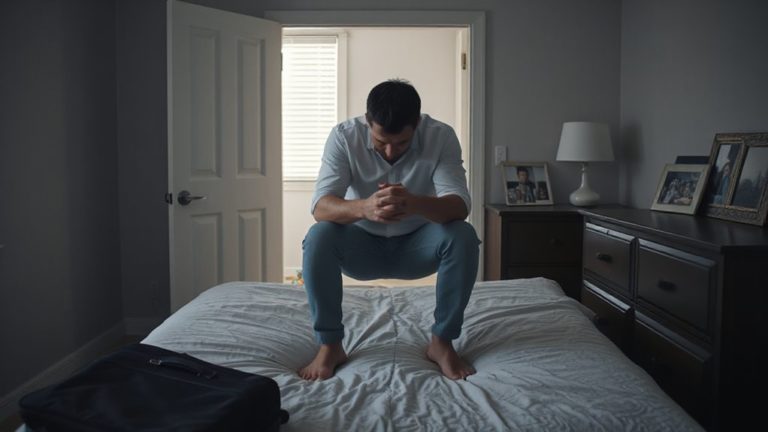
Despite the stereotype painting men as emotionally detached, they actually ruminate longer over past relationships. Men discuss heartbreak and regret online markedly more than women, seeking help and replaying what went wrong. They never fully recover emotionally—they just move on. Women, meanwhile, tend to recover more completely and emerge stronger from the wreckage. The difference matters when you’re planning your next move.
So what actually works? First, understand that over 90% of people report serious emotional trauma from breakups—anger, depression, anxiety, the works. About 47% say a previous split damaged their current relationships. This isn’t small stuff. The pain is real, which means his pain is real too, even if he’s pretending otherwise. Recoveries vary widely, and for many people loneliness and distress can persist for months after a long relationship, especially around anniversaries and holidays, so expect ups and downs as you heal and rebuild recovery timeline.
Your strategy should focus on genuine transformation, not performance. Make concrete lifestyle adjustments that improve your wellbeing. Research shows positive attitudes and problem-solving predict better outcomes across the board—better academic performance, stronger family relationships, actual healing. Meanwhile, rumination predicts worse health and keeps you stuck in quicksand.
Cut contact completely. Studies confirm that continued interaction with an ex increases sadness on contact days. You’re not helping anyone by keeping that door cracked open. Give yourself space to rebuild without his shadow hovering over every decision. Resist the urge to monitor his social media, as ex-partner surveillance only reinforces your distress and delays psychological recovery.
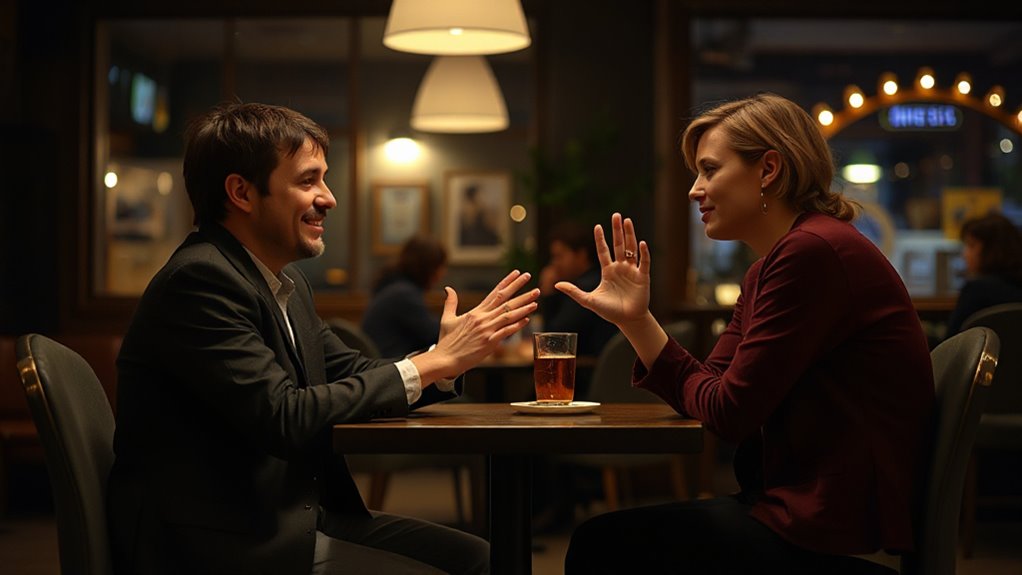
Here’s what happens when you do this right: you become genuinely happier, more confident, more complete. He notices because men often rewrite themselves as victims even when they initiated the breakup. They watch from the sidelines as you thrive. That’s when regret sets in—not because you manipulated him into feeling it, but because he genuinely lost something irreplaceable. Remember that romance is the most salient regret people name—even more than career, education, or family missteps—which means he’s already primed to second-guess this loss. Focus on becoming that irreplaceable person first.