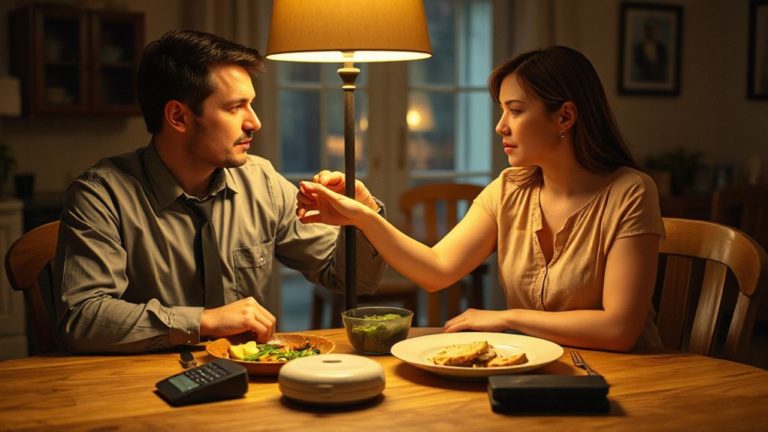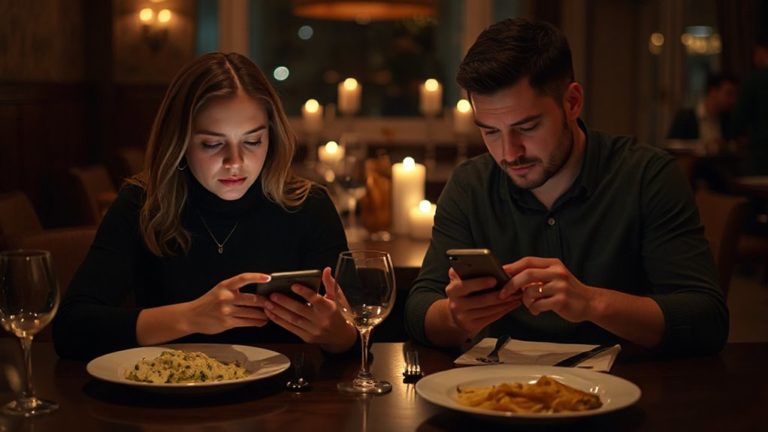


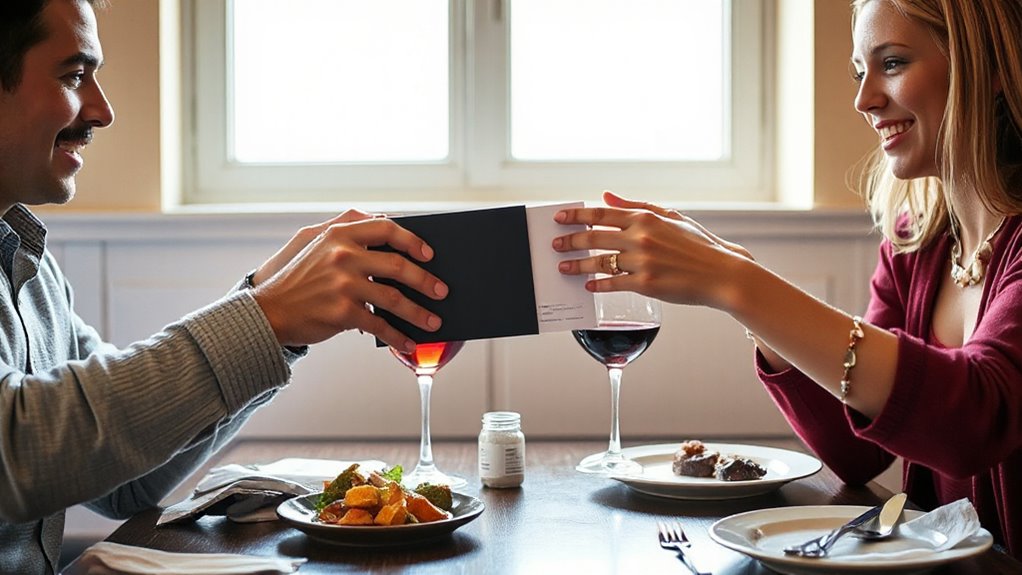
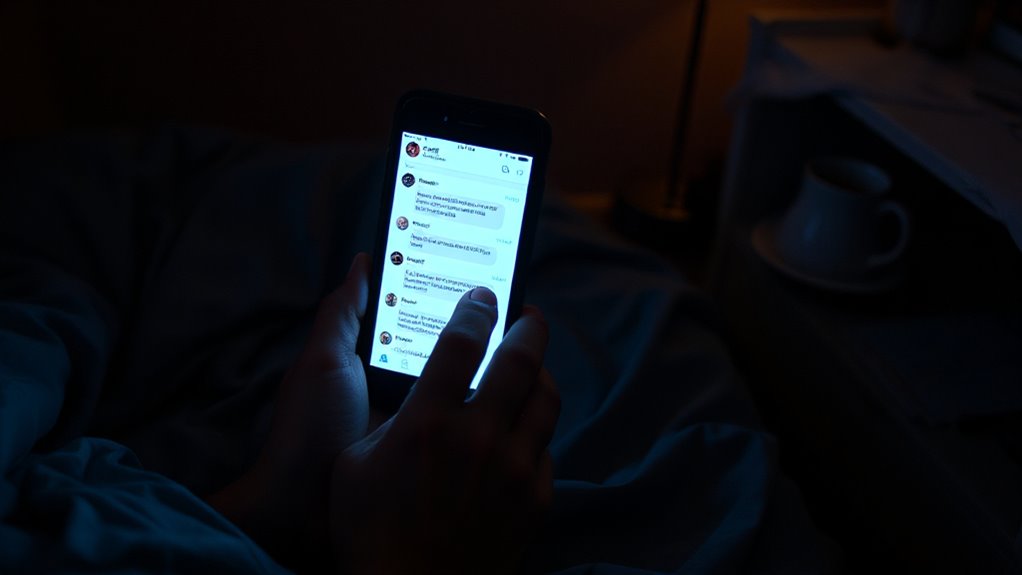
Low-effort dating culture has hit a turning point, and the evidence is everywhere. The patterns that defined modern dating for years—breadcrumbing, ghosting, decoding cryptic messages at 2 a.m.—are losing their grip. Gen Z is walking away from the chaos, and they’re not looking back. The shift isn’t subtle. It’s deliberate, intentional, and surprisingly firm. The change reflects how people increasingly favor emotional availability when evaluating potential partners.
Gen Z is walking away from dating chaos with a deliberate shift toward substance over games.
Singles are done juggling multiple conversations that go nowhere. The slow dating movement is picking up speed, ironically enough, by slowing everything down. People are focusing on fewer connections and letting relationships develop naturally instead of treating dating apps like a competitive sport. Quality over quantity isn’t just a slogan anymore. It’s becoming the default setting.
What’s driving this change? Emotional availability, for one. It used to be a red flag in hookup culture—too available meant too clingy, too serious, too much. Now it’s being reframed as desirable. Fifty-six percent of singles prioritize honest conversations. Forty-five percent actually want empathy after rejection, not radio silence. These aren’t radical asks. They’re basic human decency making a comeback.
The mechanics behind casual hookups haven’t disappeared entirely, but they’re losing cultural currency. The low-effort playbook—minimal texting, vague plans, zero emotional investment—feels increasingly hollow to a generation watching their mental health tank. They’re opting out, choosing meaningful connections and long-term compatibility over whatever-works-for-tonight.
This isn’t about moralizing hookup culture or pretending everyone wants monogamy. It’s about recognizing that low-effort dynamics extract a cost. When dating feels personal and purposeful, people engage differently. When it feels transactional and exhausting, they disengage or worse, they stay and suffer through it. Sixty percent want more transparent communication, cutting through the games that used to define the early stages of dating. Stating intentions earlier has become common practice to avoid ambiguous situations that waste everyone’s time.
The surprise isn’t that casual hookups exist. They always have. The surprise is that after years of normalizing minimal effort as the standard, a critical mass of people decided they wanted more. Not more partners, not more apps, not more options. More substance. More clarity. More honesty. The low-effort era isn’t over, but it’s facing its first real resistance. And that resistance looks a lot like people simply deciding they deserve better.