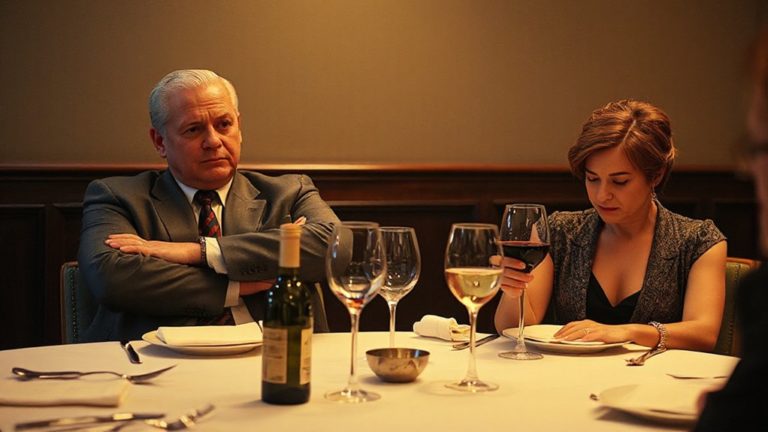


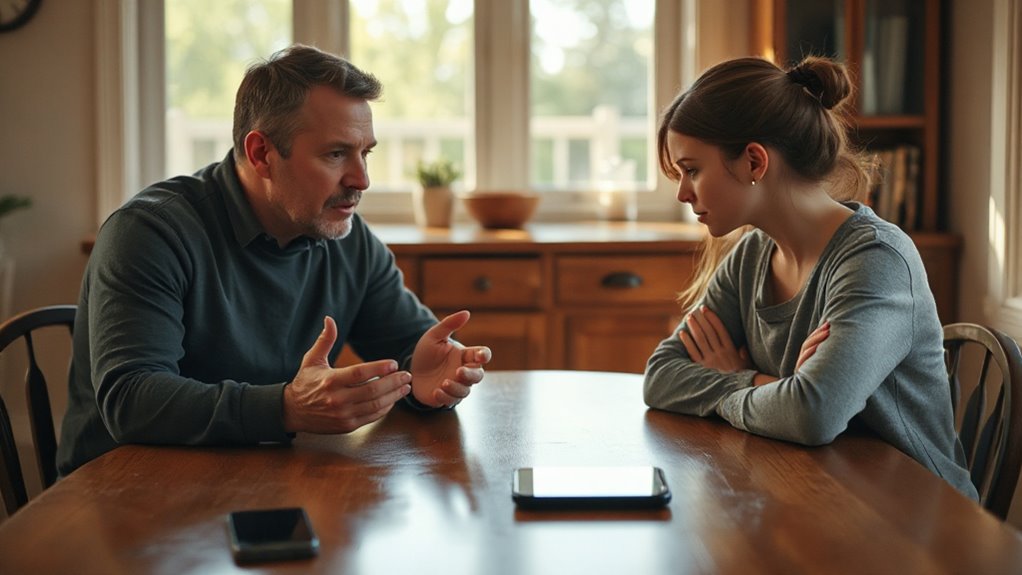

Romance after 40 doesn’t look like the fairy tales promised. The numbers tell a different story, one that’s messier and more interesting than Hollywood admits. Nearly a third of U.S. adults aged 50–64 are single, steering a dating landscape that keeps evolving. Cohabitation among this group doubled between 2000 and 2016, jumping from 7% to 14%. By 2017, four million adults over 50 were cohabiting, compared to under one million just years before. People are rewriting the rules.
The fairy tale script is being rewritten by millions who refuse to apologize for messy, unconventional love after 40.
Dating looks different too. Among unmarried adults aged 57–64, 27% of men reported dating compared to just 7% of women. That gender gap matters when you’re swiping through profiles. Men swipe right on 46% of profiles while women approve only 14%, yet women get 25% higher response rates. The game hasn’t changed much, just the platform. Half of singles aged 40–69 cite companionship as their primary reason for dating, with sexual fulfillment running a close second. Nobody’s pretending otherwise. Many middle-aged couples also report that consistent communication becomes more important than it was in earlier relationships.
Marriage still dominates midlife partnerships at 82.9%, but satisfaction follows a U-shaped curve. It bottoms out around age 40, then climbs steadily, plateauing at high levels by 65. Children leaving home helps. Among adults 45–54, 48% are married, split between 22% in first marriages and 26% remarried. Those remarriage rates have dropped 44% since 1990, settling at 28 per 1,000 adults. The majority of older cohabitors were previously married, choosing live-in partnerships over formal remarriage even as remarriage rates stayed relatively stable.
Age gaps create their own dynamics. The global average sits at 4.2 years, but heterosexual men with partners seven or more years younger report higher satisfaction. A 70-year-old man typically prefers a 58-year-old woman. Yet after six to ten years, widening age gaps in May-December relationships start reducing satisfaction. The novelty wears off.
Unconventional arrangements are gaining ground. Living-apart-together relationships account for 5.4% of midlife partnerships, with another 3.6% casually dating. Adults aged 43–58 report the highest success rates on dating platforms, with 72% saying these apps led to romantic relationships. Romance doesn’t retire when you hit 50. It just stops apologizing for looking different than expected.