




Dating a foreign person doesn’t violate ITAR regulations—the law controls technical data sharing, not personal relationships. ITAR defines foreign persons as non-U.S. citizens, including tourists and students, but it doesn’t regulate love lives. The real risk comes from accidentally sharing classified work details or leaving sensitive documents where partners can see them. Companies can’t discriminate against employees based on foreign relationships either. Understanding the boundaries between personal connections and professional security makes all the difference.
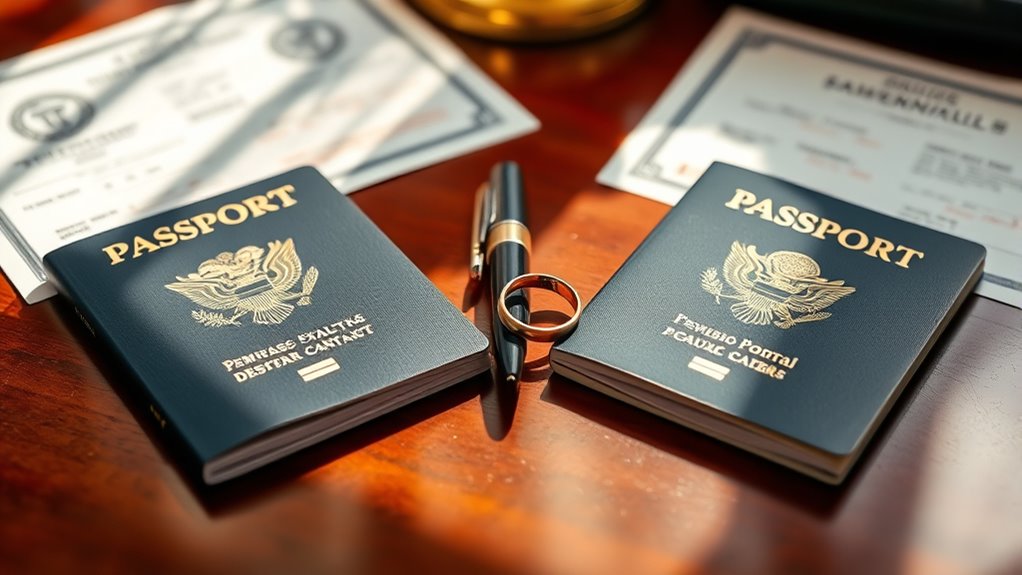
Why do defense contractors break into cold sweats when their employees start dating someone with an accent? The answer lies in a fundamental misunderstanding of what ITAR actually prohibits. Spoiler alert: dating a foreign person isn’t illegal under ITAR regulations.
ITAR defines foreign persons as anyone who isn’t a U.S. citizen, national, lawful permanent resident, or protected individual like refugees and asylees. This includes tourists, students, and temporary workers. But here’s what matters: ITAR doesn’t regulate your love life. The regulations focus exclusively on preventing unauthorized disclosure of technical data and defense articles to foreign persons, not on controlling personal relationships. Starting conversations with personalized and engaging openers can help clarify misconceptions and foster better understanding.
You can absolutely date, befriend, or marry a foreign national without violating ITAR. There’s no reporting requirement for personal relationships, no background check mandate for your dinner companions, and no federal dating police monitoring your social calendar.
However, the real danger lurks in pillow talk. ITAR violations happen when controlled technical information gets shared, intentionally or accidentally. Discussing classified work details over romantic dinners? That’s a problem. Leaving sensitive documents where your foreign partner might see them? Also problematic. The violation isn’t the relationship—it’s the information transfer.
Defense contractors often overcomplicate this issue, creating workplace policies that border on discriminatory. Companies cannot legally exclude employees from jobs based solely on their relationships with foreign nationals. Anti-discrimination laws, particularly the Immigration and Nationality Act, protect workers from such practices. The Department of Justice has actively pursued companies for discriminatory hiring based on citizenship status. DOJ enforcement actions have resulted in significant penalties, with companies like Honda Aircraft paying $44,626 and Clifford Chance paying $132,000 for discriminatory practices.
Smart employees maintain clear boundaries between personal and professional lives. They secure work materials, avoid discussing technical details, and stay vigilant about information security. Companies should focus on proper access controls and employee training rather than policing personal relationships. Remember that unintentional violations are still taken seriously by regulatory authorities, emphasizing the critical importance of maintaining strict information security practices even in personal settings.
The bottom line? ITAR doesn’t ban international romance. It bans unauthorized information sharing. Keep your work secrets at work, secure your technical data, and date whoever makes you happy. Just remember that loose lips don’t just sink ships—they can sink careers too.
Frequently Asked Questions
Can I Marry a Foreign Person if I Work With Itar-Controlled Technology?
Yes, someone can marry a foreign person while working with ITAR-controlled technology, but they must follow strict notification procedures. They’re required to disclose their intent to marry to their security or HR office beforehand.
Some military and defense contractors demand prior authorization from commanders. Failure to report can result in clearance suspension, revocation, or termination.
The marriage itself isn’t prohibited—transparency is mandatory.
Do I Need to Report My Foreign Relationship to My Employer?
ITAR doesn’t require reporting personal relationships. However, smart employees check their company’s security policies—many defense contractors have their own rules about foreign contacts.
If the relationship creates access to controlled technical data or involves travel to restricted countries, that changes things.
When in doubt, ask HR or your security officer. Better safe than unemployed.
What Happens if My Foreign Partner Visits My Workplace Accidentally?
If someone’s foreign partner accidentally enters an ITAR-controlled area, it’s considered unauthorized access and a potential violation.
They need to report the incident immediately to their security department or compliance officer.
The company must document what happened, what information might have been exposed, and take corrective action.
Even accidents can trigger penalties, so quick reporting and damage control are essential.
Are There Specific Countries That Pose Higher ITAR Risks When Dating?
Yes, certain countries create notably higher ITAR risks. China, Cuba, Iran, Syria, North Korea, and Sudan are specifically proscribed under ITAR 126.1.
Dating someone from these countries means any accidental exposure to controlled technical data could violate export regulations. Even dual nationals with ties to these countries face restrictions.
The government rarely grants licenses for these high-risk nations, making compliance extremely difficult.
Can Discussing My Job Duties With Foreign Partners Violate ITAR?
Yes, discussing job duties can absolutely violate ITAR if someone shares controlled technical data with their foreign partner. Even casual conversation about defense-related work counts as disclosure under the regulations.
The person needs proper export authorization before revealing any ITAR-controlled information. Verbal access to sensitive technical details constitutes a violation, regardless of the relationship.
Keep work conversations generic and non-technical.