


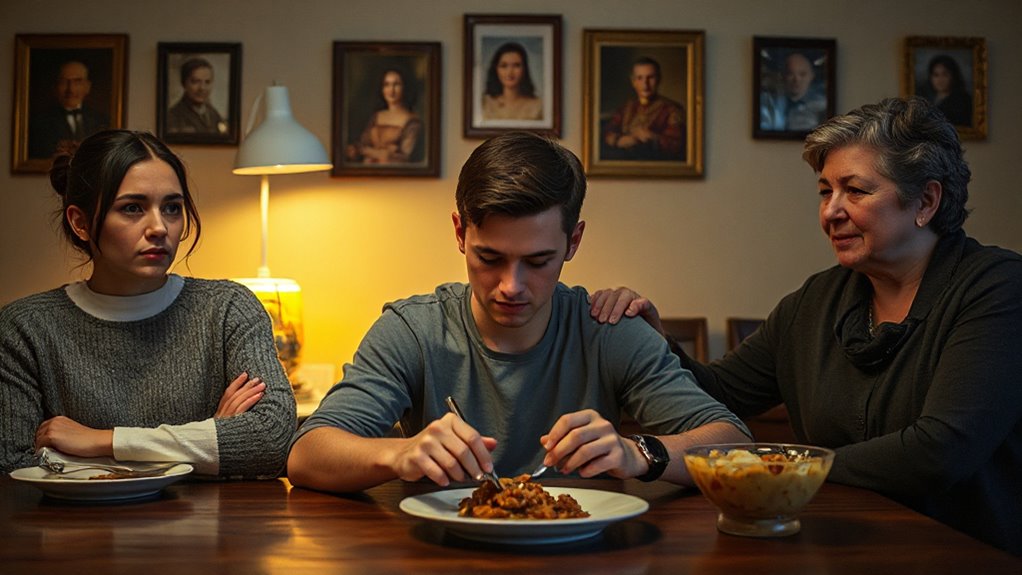
Why does the most devoted son sometimes become the source of his father’s greatest frustration? The answer lies in a cultural shift that transforms love into control, respect into resentment.
Devotion without boundaries becomes suffocating control, transforming the qualities parents once celebrated into sources of deep resentment.
In traditional Indian families, the devoted son represents everything parents dream of. He excels academically, wins scholarships, returns home to bow and touch his father’s feet. Neighbors stream to the house with congratulations. The father beams with pride at his wunderkind. This son marries the plump, uneducated girl his mother chooses without protest. He embodies filial duty perfectly.
But here’s where things get complicated. As parents age and roles reverse, that same devotion becomes suffocating. The son who once brought glory now treats his father like a patient rather than a person. What was once respectful care feels like clinical control. The father, stripped of authority, begins to resent the very qualities he once celebrated.
This dynamic reveals something *vital* about devoted sons in relationships. They’ve been programmed to prioritize family expectations over individual desires. When you date one, you’re not just dating him—you’re entering a complex web of obligations and cultural programming that runs generations deep.
The devoted son learned early that love means obedience, that respect requires submission to parental wishes. He internalized the message that his own feelings matter less than family harmony. This creates men who struggle with boundaries, who can’t separate their identity from their family’s expectations. Without learning healthy independence, these men often carry emotional insecurity and attachment issues into their romantic relationships.
Communication becomes the casualty. Just as the father’s unexpressed frustrations turned devotion into anger, these sons often fail to articulate their own needs or recognize yours. They operate from duty rather than emotional engagement, creating relationships that feel more like arrangements than partnerships.
The tragedy isn’t the devotion itself—it’s the lack of evolution. The son who never learned to balance respect with independence becomes the partner who can’t prioritize your relationship over family demands. His mother isn’t necessarily running your relationship, but the programming she installed certainly is.
Understanding this pattern helps you decide whether you’re willing to compete with decades of cultural conditioning.