

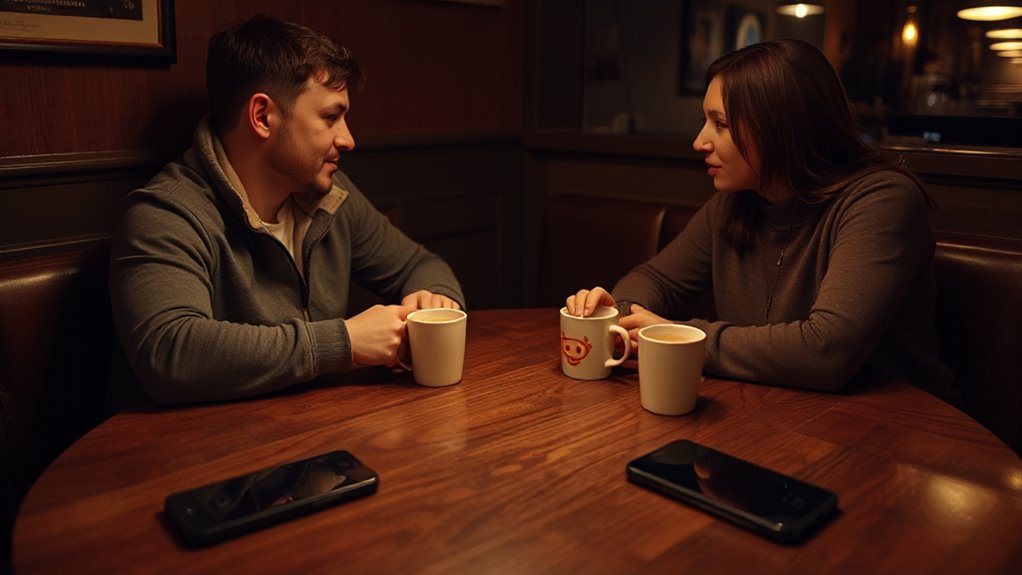


Why Paying for Every Date Slowly Burns You Out
Dating costs money. Not just the meal—drinks, parking, rides, tips, and whatever follow-up plans seem necessary to prove interest. That adds up fast, especially when multiple matches turn into multiple dates within the same week. Consider keeping conversations on the app initially to avoid extra expenses and protect yourself with safety practices.
The financial hit stings more when none of it guarantees a second date, let alone anything real.
Layer emotional labor on top—the planning, the messaging, the performing—and each outing starts feeling like a work obligation instead of a choice.
Planning, messaging, performing—dating becomes a second job nobody applied for.
Repeated rejection while the wallet empties breeds resentment quickly.
Eventually curiosity dies, cynicism moves in, and dating stops feeling worth the effort. A 2011 Match.com survey found that 65% of women spend more than $50 preparing for a single date on outfits, nails, and hair alone.
If both people never discuss finances openly, one person often ends up carrying a disproportionate financial burden that quietly poisons the experience before anything meaningful can develop.
Set a Dating Budget Before You Go on Another Date
Most people treating dating like a lifestyle expense never bother to budget for it until the damage is already done. Before the next date, build a real line item for it.
- Calculate disposable income first, then carve out a dating cap.
- Use percentages: 5% for casual, 10% moderate, 15% active dating.
- Set a weekly ceiling—something like £40–£60—and actually stick to it.
- Review monthly. Adjust when income or frequency changes.
Dating costs bleed across meals, rides, drinks, and tickets fast. A clear limit stops the slow drain before resentment shows up. Couples can even exchange wish lists of restaurants, shows, and concerts to make agreed-upon spending feel intentional rather than reactive. Consider simple, connection-focused venues like casual coffee spots or pizza places to keep costs down and conversation flowing.
Budget Date Ideas That Still Build Real Connection
Cutting the cost of a date does not have to mean cutting the quality of it.
A walk through a good neighborhood beats an overpriced dinner when both people are actually talking.
Cook a meal together, hit a free museum day, or drag each other through a thrift store with a five-dollar limit.
Picnics, puzzles, stargazing, volunteering—none of these cost much, but all of them require presence and participation.
That is exactly what builds connection anyway.
Expensive dates often just fill silence with noise.
Cheap ones, done right, force real interaction.
That is not a consolation prize.
That is the point. Board games alone offer thousands of options to choose from, giving couples something to compete over, laugh about, and come back to without spending much at all.
Geocaching uses GPS coordinates to send couples searching for hidden containers together, turning an ordinary afternoon into a real-life treasure hunt at almost no cost.
Remember to use 4 to 6 photos on your dating profile so your matches know who they’re meeting and the connection starts before the date.
How to Split Dating Costs Without the Awkward Silence
The awkward silence at the end of a date usually has nothing to do with chemistry—it has everything to do with no one knowing who is paying. Fix it before it happens.
That end-of-date silence isn’t about chemistry. It’s about nobody knowing who’s picking up the check.
- Ask before the date. A quick text works: “Split, alternate, or something else?” Couples who have experienced betrayal or financial mismatch may bring trust issues into payment talks, so clarity helps.
- Split by what you ordered. Nondrinkers should not subsidize someone else’s cocktails.
- Alternate dates. No constant math. Clean and sustainable.
- Use a payment app. Settles the bill quietly, skips the table drama.
Bring it up early. Frame it as logistics. Done. Stating upfront responsibilities can help both people feel more comfortable, and planning payment logistics before the date arrives reduces the awkwardness entirely. When a significant income gap exists between partners, the venue picker should cover a larger share or choose a place that fits both budgets comfortably.
How to Bring Up Money Before the Bill Arrives
Waiting until the bill lands to bring up money is a rookie mistake, and it costs more than just cash. It creates pressure, awkwardness, and resentment nobody signed up for.
Smarter move? Raise it while planning the next outing, when budgets come up naturally and nobody feels cornered. This also helps ensure you’re aligning on shared values and emotional readiness before things get more serious.
Keep it casual. Try something like, “How do you usually handle bills when dating?” Short, direct, no drama.
One conversation won’t solve everything, but it establishes basic alignment early.
Treat money talks as a running habit, not a one-time ambush. Repeat them.
Money is the number one issue most couples argue about, so building the habit of open financial conversations early can save a relationship from one of its most common breaking points.
The awkwardness fades fast when honesty becomes the norm. Research backs this up: discussing shared goals and attitudes toward money early in a relationship can reduce conflict down the road.