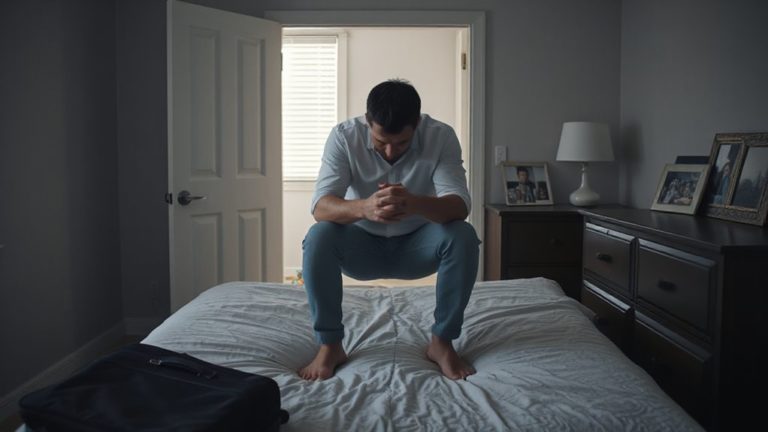









Rebuilding trust requires brutal honesty, not gradual confessions or half-truths. The betrayer must disclose everything immediately, answer every uncomfortable question repeatedly, and demonstrate transparency through shared passwords and whereabouts. Both partners need professional help to process trauma and understand their attachment patterns. Consistent behavioral changes over months—not empty promises—prove trustworthiness. Research shows 75% of couples can recover, but only when both commit fully to the exhausting work ahead.

When trust shatters in a relationship, most people wonder if it can ever truly be rebuilt—and the uncomfortable truth is that it depends entirely on what both partners are willing to do about it.
The betrayer needs to come clean completely. Not partially, not gradually, but everything at once. Research shows that couples who discuss betrayal in exhaustive detail see trust recovery rates of 58%, while those who dance around the truth stay stuck in limbo. This means answering every uncomfortable question, no matter how many times it gets asked. Starting the dialogue with engaging openers can help ease the tension and encourage honest communication.
Transparency becomes the new normal. The person who broke trust doesn’t get to keep secrets anymore, at least not initially. Phone passwords, whereabouts, and daily activities become open books. This isn’t about control—it’s about providing evidence that trustworthy behavior is actually happening.
Meanwhile, both partners need to get vulnerable, which most people hate doing. Sharing fears, insecurities, and pain creates connection that helps repair the emotional foundation. The betrayer must show genuine remorse and take full accountability. No excuses, no blame-shifting, no “but you did this too” deflections.
Professional help often becomes necessary because processing complex emotions while rebuilding trust is exhausting work. Most people lack the tools to navigate this alone, and unresolved trauma kills relationship recovery faster than almost anything else. Understanding your attachment style provides crucial insight into how you develop and maintain trust in relationships. Couples who fully engage in the complete therapeutic process have an 86% chance of remaining married.
Timing matters more than people realize. Betrayals that happen early in relationships are markedly harder to overcome than those occurring after trust has been established over time. Early breaches reduce willingness to cooperate, while established relationships show recovery rates around 90%.
The rebuilding process requires consistent behavior changes, not just promises. Words are cheap after betrayal. Actions prove trustworthiness through monitoring, accountability, and demonstrable commitment to different choices.
Here’s the encouraging news: over 75% of people believe trust can be regained, and attachment styles explain up to 42% of trust variance, meaning individual patterns can be recognized and addressed. Success depends on both partners’ willingness to do uncomfortable work consistently over time. Half-hearted efforts produce half-hearted results.
Frequently Asked Questions
How Long Does It Typically Take to Rebuild Trust After Infidelity?
Most couples need two to five years to rebuild trust after cheating.
Younger couples and newlyweds bounce back faster—about 75% recover within a year.
Forgiveness usually starts around three to six months if they’re getting counseling.
Here’s the kicker: couples in therapy have a 75% better shot at staying together.
Bottom line? It’s a marathon, not a sprint.
Can Trust Be Rebuilt if the Betrayal Happened Multiple Times?
Yes, but it’s brutally difficult and requires massive commitment from both people.
Multiple betrayals compound the damage, making the betrayed partner hypervigilant and skeptical.
Success demands complete transparency, professional help, and genuine remorse from the betrayer.
The process takes longer, hurts more, and often fails.
Some relationships simply can’t survive repeated violations of trust, and that’s okay too.
Should Couples Seek Professional Counseling or Try Rebuilding Trust Alone?
Couples should get professional help. The stats don’t lie—70-80% success rates with therapy versus minimal improvement flying solo.
Most couples see progress in 8-12 sessions, while going it alone often means years of spinning wheels.
Self-directed rebuilding lacks the clinical tools to break destructive patterns and rebuild communication.
Why struggle through quicksand when you can get a map?
What Are the Warning Signs That Trust Rebuilding Efforts Aren’t Working?
When trust-building efforts consistently fail, couples face recurring conflicts without resolution, deepening emotional withdrawal, and zero accountability from one or both partners.
Red flags include broken promises piling up, defensive walls getting higher instead of lower, and growing resentment poisoning every interaction.
If months pass without genuine progress—just endless circles of blame and stonewalling—the rebuilding process isn’t working.
Is It Possible to Have a Stronger Relationship After Rebuilding Trust?
Yes, relationships can absolutely become stronger after rebuilding trust. Statistics show couples who fully commit to vulnerability and transparency have an 86% success rate.
The deep work required—accountability, honest communication, addressing attachment wounds—often creates a more solid foundation than before.
Prior relationship experience helps too, with 79% showing stronger post-breach trust behavior versus 63% without experience.