
After 2-3 weeks of solid messaging, suggest a specific meetup with clear details—not “hang out sometime” but “coffee at Blue Bean Café Saturday at 2 PM.” Choose public venues, inform friends of your plans, and video chat first to verify photos. Keep expectations realistic since online chemistry doesn’t always translate in person. Prepare a few conversation topics but don’t over-rehearse. The key is timing it right and staying safe while making the leap. Master these fundamentals and watch your success rate climb.

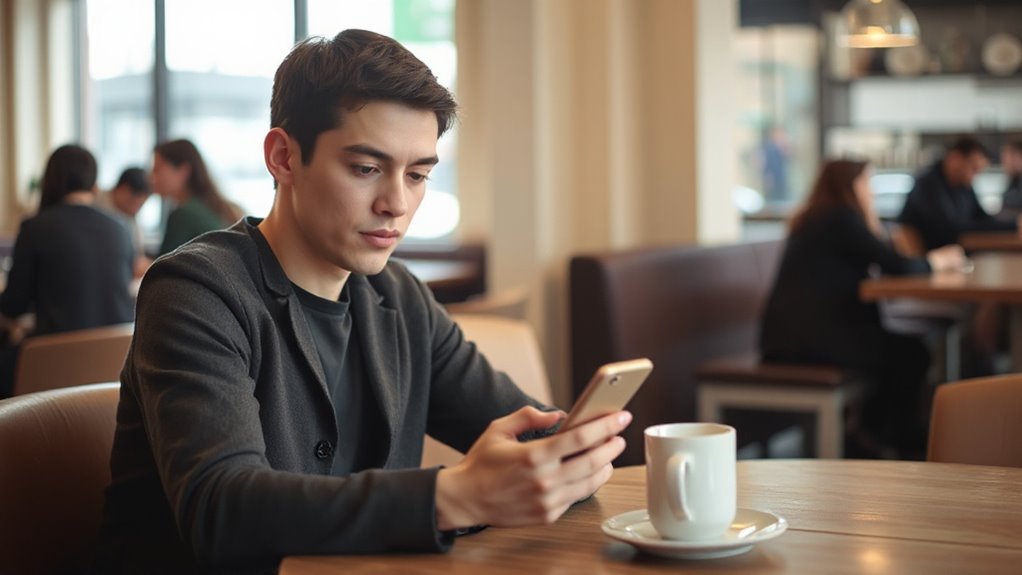
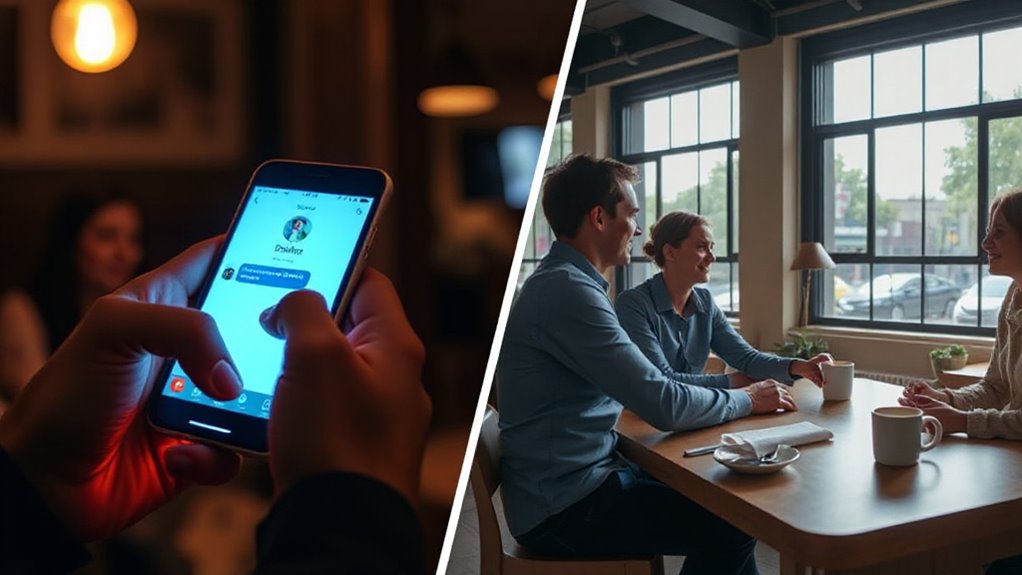
When someone spends weeks crafting the perfect witty responses and building chemistry through screens, the thought of meeting face-to-face can feel like stepping off a cliff. The shift from online chatting to an actual date requires strategic thinking, not just crossed fingers and hope.
Timing matters more than most people realize. Suggesting a meetup too early makes someone seem desperate or potentially dangerous. Wait too long, and the conversation fizzles into pen pal territory. The sweet spot usually hits around two to three weeks of consistent messaging, when both people have established genuine interest and comfortable rapport. Using engaging openers early on can help sustain interest and build this rapport effectively.
Safety comes first, period. Smart daters verify the person matches their photos through video calls before meeting. They choose public venues for first dates—coffee shops, restaurants, busy parks. They tell friends where they’re going and when to expect check-ins. Anyone who pushes back against these precautions waves a red flag.
The actual invitation needs finesse. Vague suggestions like “we should hang out sometime” accomplish nothing. Specific proposals work better: “Want to grab coffee at that place on Fifth Street this Saturday around 2?” This approach shows initiative while giving the other person clear details to accept or counter-propose.
Managing expectations prevents disappointment. Online chemistry doesn’t always translate to in-person connection. People look different from their photos, conversation flows differently, and physical presence changes everything. Going in with curiosity rather than predetermined outcomes keeps pressure manageable. Studies consistently show that couples who meet offline report greater relationship satisfaction compared to those who connect through dating apps.
Venue selection can make or break the experience. Coffee dates offer low commitment and easy exits if things go south. Dinner creates more pressure and time investment. Activities like mini-golf or museum visits provide natural conversation starters when awkward silences strike.
Conversation preparation helps, but over-planning backfires. Having a few topics ready—travel stories, current projects, funny experiences—keeps things moving without sounding rehearsed. The goal is genuine connection, not a perfect performance. Research shows that couples who met online tend to have lower background similarity in education, religion, and ethnicity compared to those who met offline.
The transition from screen to reality always feels nerve-wracking. But people who approach it thoughtfully, prioritize safety, and maintain realistic expectations usually find the leap less terrifying than anticipated. Sometimes the best conversations happen when both people stop trying so hard to impress.
Frequently Asked Questions
What if They Look Different From Their Photos?
They probably will look different—photos lie, lighting flatters, and everyone picks their best angle. Don’t act shocked or disappointed; it’s rude and expected.
Focus on their personality and how they make you feel instead of nitpicking their appearance.
Give the date a real chance before writing them off. Physical attraction can grow, but being shallow kills any possibility immediately.
How Do I Handle Awkward Silences During the First Meeting?
First, relax—70% of singles deal with awkward silences on first dates, so you’re not alone. When silence hits, acknowledge it directly: “Well, this got quiet” with a smile. Ask an open-ended question about their interests or suggest an activity if you’re somewhere with options.
Don’t panic-fill silence with rambling. Sometimes pauses just happen, and that’s okay too.
Should I Offer to Pay for the Entire Date?
Yes, but only if you initiated the date and can actually afford it. Don’t offer just to look generous if you’ll stress about money later. Modern etiquette says whoever asks should pay, though splitting is perfectly acceptable.
Be upfront about payment beforehand to avoid that awkward wallet dance. If money’s tight, suggest coffee instead of dinner. Your genuine interest matters more than your wallet.
What if There’s No Chemistry in Person Despite Online Connection?
When chemistry fizzles in person, someone shouldn’t force it or blame themselves.
Online connection creates false intimacy through curated conversations and missing physical cues.
They should politely end the date early, thank their match for the time, and move on quickly.
No ghosting, no drawn-out explanations.
Chemistry either exists or it doesn’t—and that’s nobody’s fault.
How Long Should the First Date Last?
First dates should last around two hours—long enough to gauge real chemistry without dragging things out. If it’s going well, let it stretch to two and a half hours naturally.
If there’s no spark, wrap it up after an hour and a half. Don’t force it either way.
Quality beats quantity, and most people form their judgment within minutes anyway.