

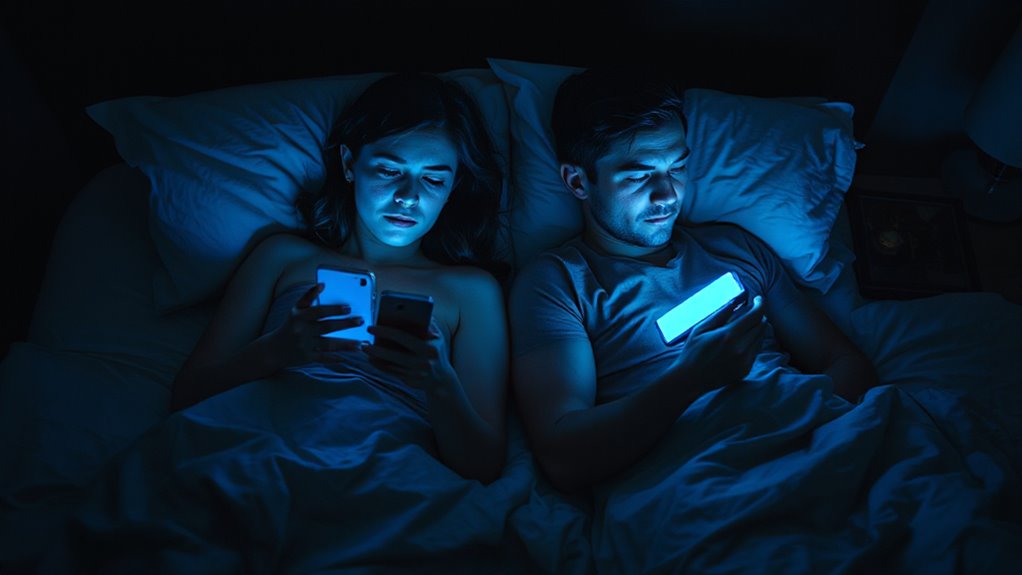


Making someone fall in love isn’t about perfection—it’s about triggering the right brain chemistry. Spend quality time together to flood their system with dopamine and phenylethylamine, the same chemicals that create cocaine-like highs. Find genuine common ground since happy couples share 86% of personality traits, not opposite attractions. Sync up physically through shared activities like walking or dancing to boost oxytocin and create heart rate synchronization. Master these neurochemical triggers and discover the deeper science behind lasting romantic connections.

Why do some people seem to effortlessly attract romantic partners while others struggle to spark even basic interest? The answer lies in understanding how the brain creates romantic attraction—and then triggering those same neurochemical responses deliberately.
Understanding how your brain creates attraction—and deliberately triggering those same neurochemical responses—separates effortless daters from those who struggle.
When someone feels attracted, their brain floods with dopamine, creating euphoria similar to cocaine’s high. Smart people leverage this by becoming associated with rewarding experiences. Take them somewhere that engages multiple senses positively. The brain will literally wire their presence to pleasure, making them crave more contact with you. Nonverbal cues, such as eye contact and body language, play a crucial role in enhancing this sensory engagement.
Physical proximity matters more than most realize. Being near someone you’re interested in triggers phenylethylamine production, creating those famous butterflies. But here’s the kicker—it works both ways. Spend time in their space, and their brain starts producing the same chemicals that signal attraction.
Stress actually helps romantic bonding, contrary to popular belief. Early romantic love increases cortisol levels, making people seek more social contact. A little nervous energy during interactions isn’t a bug—it’s a feature. Those slightly stressful, exciting situations create the perfect neurochemical cocktail for attachment formation.
The similarity factor cannot be overstated. Analysis of over 1,500 couples revealed that happy partners synchronized personality traits 86% of the time. Stop trying to be mysterious or playing hard to get. Instead, find genuine common ground in values, beliefs, and life perspectives. People fall for their psychological mirrors, not their opposites. This reflects the importance of attachment styles in shaping how couples connect emotionally.
Physical synchronization accelerates emotional connection. Romantic partners naturally sync heart rates during close contact, and this physiological linkage directly correlates with relationship satisfaction. Maintain appropriate physical proximity, engage in shared activities that naturally create rhythm—walking, dancing, even breathing exercises. During intimate moments, your brain releases oxytocin hormone which creates deeper trust and emotional bonding. Building real romantic connections requires mutual verbal admiration to strengthen the emotional bond between partners.
Here’s what most people miss: attraction isn’t about being perfect or irresistible. It’s about triggering specific brain chemistry through deliberate actions. Focus on creating positive sensory associations, spending meaningful time together, finding authentic similarities, and allowing natural physiological synchronization to develop.
The brain will do the heavy lifting of creating those intense romantic feelings. Your job is simply providing the right conditions for neurochemistry to work its magic.
Frequently Asked Questions
How Long Does It Typically Take for Someone to Fall in Love?
Most people fall in love within 3-4 months on average. Over half do it in five months or less.
Men typically confess feelings around 88-97 days, while women take longer at 134-139 days.
Gen Z moves fastest—one in five falls in love within a month.
Geography matters too; Ohio residents are speed demons at romance, with 60% falling hard in under 30 days.
Can You Make Someone Fall in Love Who’s Already in a Relationship?
No, you can’t force someone in a relationship to fall in love with you. Love involves complex brain chemistry that can’t be manipulated through tricks or persistence.
Someone already committed has existing emotional bonds and neurological pathways focused elsewhere. Trying to interfere crosses ethical lines and wastes your energy.
Find someone available instead of chasing the unavailable.
What if the Person I Like Lives Far Away From Me?
Distance makes everything harder, but it’s not impossible. Start with consistent, quality communication—texts, calls, video chats. Build emotional intimacy through deep conversations and shared experiences online.
Plan visits when possible; they’ll feel more special and intense. Be honest about future plans and timelines.
Long-distance relationships require extra effort, patience, and clear commitment from both people to actually work.
Is It Possible to Make an Ex Fall in Love Again?
Yes, it’s possible—studies show 30-46% of exes reunite. But here’s the catch: half break up again within six months. Success requires genuine change, not manipulation.
Give them space first, then focus on consistent positive interactions that rebuild trust. Show real growth, avoid desperate contact, and communicate better than before.
The odds exist, but lasting reconciliation demands addressing what broke you up originally.
How Do I Know if Someone Is Genuinely in Love or Just Infatuated?
Someone genuinely in love accepts your flaws, communicates openly, and commits through tough times. They see you realistically, not as some perfect fantasy.
Infatuation? That’s obsessive, anxious, and focused on idealized traits. It craves constant validation and fades when reality hits.
Real love feels secure and steady, building over time. Infatuation burns hot but dies fast when the excitement wears off.