

Someone’s ready for a relationship when they can discuss past breakups without drama, know their own values and boundaries, and handle conflict without throwing tantrums or shutting down. They want stability over chaos, can imagine daily life with a partner, and have space in their schedule for someone new. Most importantly, they’re seeking to share their already-complete life with someone, not desperately hunting for validation or trying to fill an emotional void. The deeper signs reveal even more.

Before someone dives headfirst into the dating pool, they need to take a hard look in the mirror and ask themselves a brutally honest question: are they actually ready for a relationship, or are they just lonely and hoping another person will fix their problems?
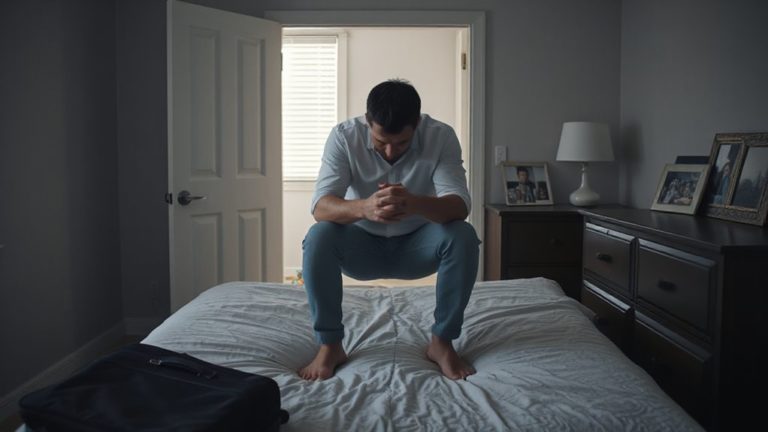
Real readiness starts with emotional maturity. Can they talk about past relationships without turning into either a bitter ex-hater or a defensive mess? Do they feel genuine excitement about meeting someone new, not just desperate relief at escaping loneliness? If past breakups still sting like fresh wounds, they’re not ready. Period.
If past breakups still sting like fresh wounds, you’re not ready for someone new. Period.
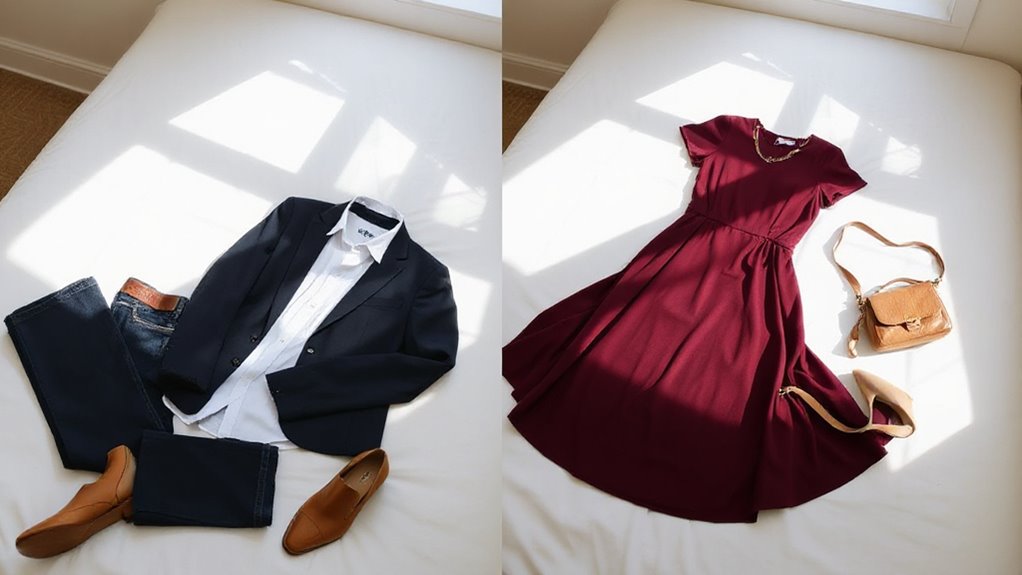
Self-awareness comes next. They need to know their own values, boundaries, and what they actually want from a partner. Not what their friends want, not what movies tell them to want—what they want. Can they picture themselves happy in a relationship? Do they understand their own triggers and hot buttons? If they can’t answer these questions clearly, they’re setting themselves up for disaster. Dressing in a way that reflects your personality can boost your confidence and help express your true self on dates, contributing to better self-awareness through personal style.
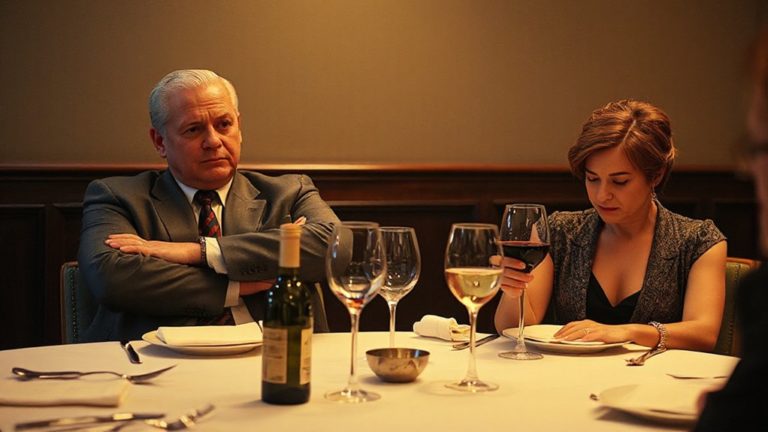
Communication skills matter more than most people think. Can they have an honest conversation about feelings without melting down? Can they handle minor disagreements without throwing tantrums or shutting down completely? If conflict sends them running for the hills, they’re not relationship material yet. They should be able to recognize when self-regulation is needed to match their emotions to the situation rather than overreacting to minor issues.
Here’s where it gets real: they need to want stability over chaos. If they’re still chasing the drama-filled, will-they-won’t-they relationships that feel like emotional roller coasters, they’re not ready for the real thing. Healthy relationships can feel boring compared to toxic ones, and that’s actually the point.
The timing question is pivotal too. Are they looking for someone to complete them, or are they already complete and looking for someone to share their life with? Big difference. Can they imagine their daily routine with another person in it? Are they willing to make space in their schedule, their home, their future plans? They also need to feel emotionally secure enough to quickly identify incompatible people rather than wasting time on partners who clearly aren’t right for them.
Most couples date two to five years before engagement, which means this isn’t a sprint. If someone can’t handle that timeline or feels desperate to lock things down immediately, they’re probably not ready for the long game that real relationships require. Preparing for dates by choosing appropriate and comfortable outfits can help individuals feel more confident and ready to engage genuinely during this important time frame.
Frequently Asked Questions
How Long Should I Wait After a Breakup Before Starting a New Relationship?
Most people need at least three months to recover emotionally, though longer relationships require more time. The timeline isn’t magic—what matters is whether someone can discuss their ex without drama, enjoys being alone, and understands what they actually want.
Jumping in too early usually means carrying baggage into something new. Quality healing beats arbitrary deadlines.
What if I’m Ready but Can’t Find Anyone Compatible?
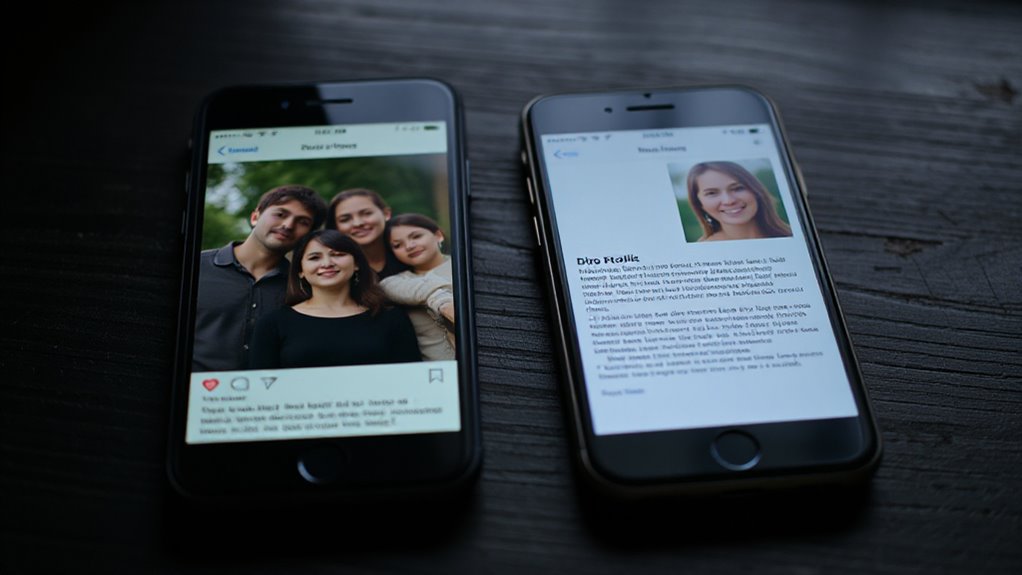
When someone’s ready but struggling to find compatible matches, they need to get strategic. The dating pool has real challenges—67% male users, algorithm limitations, and people misrepresenting relationship status.
They should try niche dating platforms, be brutally honest about dealbreakers, and expand beyond apps to activity-based meetups.
Sometimes readiness isn’t enough; they need better hunting grounds.
Should I Tell My New Partner About My Relationship Readiness Timeline?
Yes, but timing matters. Share your timeline after you’ve built some trust and emotional connection, not on date two.
Use “I” statements and frame it as hopes, not demands. Say something like “I’m hoping to find something serious within the next year” rather than “We need to be exclusive by month three.”
Keep it flexible—timelines can shift as feelings develop.
Can Therapy Help Me Become More Ready for a Relationship?
Yes, therapy absolutely helps someone become more relationship-ready. It builds self-awareness, improves communication skills, and tackles emotional baggage that sabotages relationships.
Research shows 90% of therapy participants report better emotional well-being, and they’re markedly better off than people who skip treatment.
Therapy teaches healthy conflict resolution, helps recognize red flags, and develops secure attachment styles. It’s relationship boot camp.
Is It Normal to Feel Scared Even When I’m Ready?
Yes, feeling scared is completely normal even when someone’s ready for a relationship. Research shows 70% of adults experience anxiety when starting new romantic connections.
Fear doesn’t mean unpreparedness—it often coexists with genuine readiness. The key is managing that fear, not eliminating it.
Emotional maturity means recognizing anxiety and working through it, not waiting until all nervousness disappears before dating.