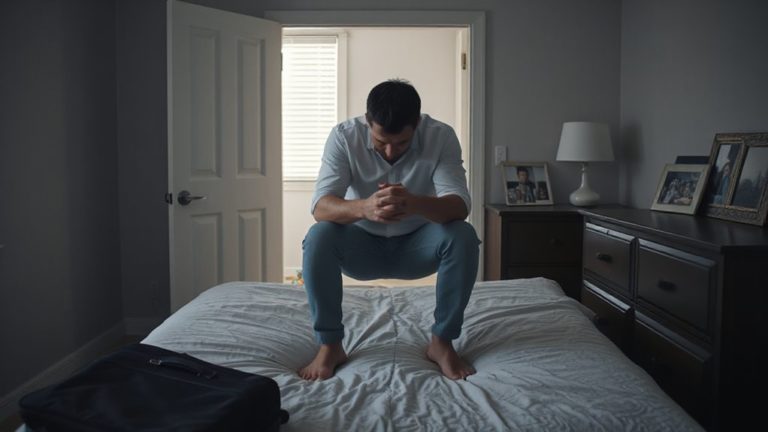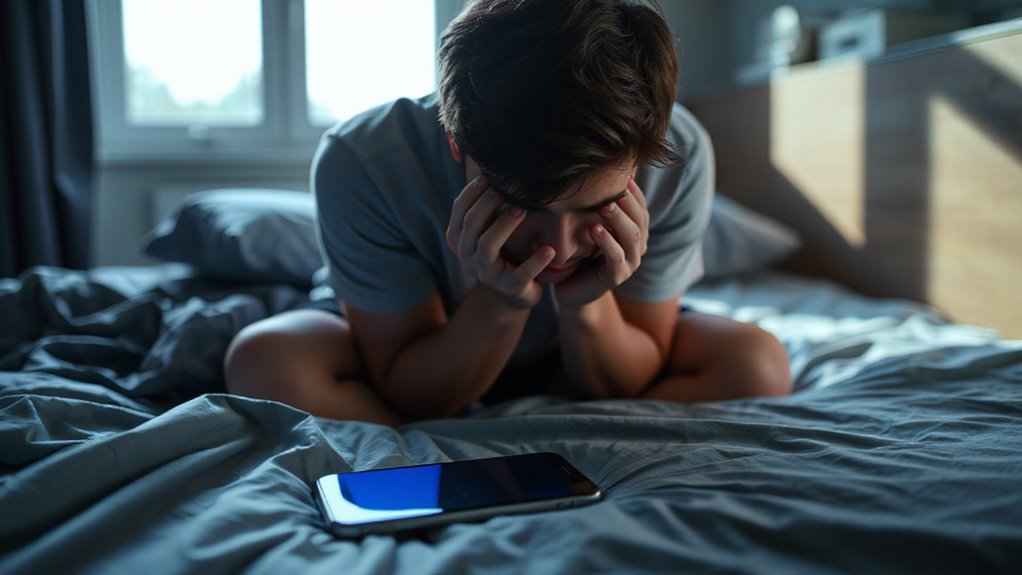



Breakups slam doors shut, leaving deafening silence and crushing loneliness that won’t vanish by waiting around. The harsh truth? About 31% of people face serious psychological distress after splits, with men particularly vulnerable to health complications from isolation. Women typically recover faster by seeking social contact, while men often retreat deeper into solitude. The fix isn’t complicated—reach out to friends, join community activities, and engage intentionally with others. Active social connection beats passive wallowing every time, and there are proven strategies that transform this painful passage into genuine opportunity.

The breakup happened, the door slammed shut, and now the silence feels deafening. That crushing loneliness isn’t just in your head—it’s a documented emotional consequence that hits hard when you lose your primary support system. Research shows 36.5% of unmarried people aged 18-35 experience breakups over a 20-month period, so you’re definitely not alone in feeling alone.
Here’s the thing: loneliness after breakups can spiral into serious territory. We’re talking depression, anxiety, sleep disruption, and even physical health problems. Men face particular risks, showing greater vulnerability to health complications and increased inflammation when living alone for extended periods. Women typically bounce back faster by seeking social contact, while men often retreat further into isolation. Starting conversations with others by using personalized openers can help rebuild social connections more naturally.
The numbers paint a stark picture. About 31% of people experience significant psychological distress increases after breakups, and 44% see their overall well-being take a nosedive. Your identity took a hit too—long-term relationships shape who you are, making their end especially destabilizing.
But here’s where you take control. Sitting around waiting for loneliness to magically disappear won’t work. You need intentional social contact, and that means deliberate effort. Reach out to friends, join community activities, or find structured social groups. Yes, it feels forced at first. Do it anyway.
Stop romanticizing isolation as some noble grieving process. Prolonged loneliness correlates with measurable health deterioration, particularly when multiple breakups accumulate over time. The stress affects your cardiovascular system, disrupts sleep patterns, and can even lead to addiction issues.
Active pursuit of companionship requires stepping outside your comfort zone. Community engagement addresses loneliness more effectively than passive wallowing. Some governments now treat loneliness as a public health priority—that’s how serious this stuff gets. Many individuals who endure this difficult period find that they successfully rebuild fulfilling lives post-breakup, often embracing entirely new relationship models and perspectives.
The good news? Nearly 20% of people actually experience decreased psychological distress after breakups, and about half maintain stable emotional levels. Your breakup might be the push you needed to build a stronger social network independent of romantic relationships. Starting to date someone new can significantly reduce the negative impact on your life satisfaction, acting as a powerful buffer against post-breakup emotional turmoil. However, dating someone new shouldn’t be your only coping strategy. Stop waiting for someone else to fill the void. Start filling it yourself.
Frequently Asked Questions
How Long Does Loneliness Typically Last After Ending a Long-Term Relationship?
Loneliness after long-term relationships typically lasts weeks to months, sometimes up to a year.
Research shows recovery timelines vary wildly based on attachment style, coping skills, and relationship length.
Long-term breakups hit harder because they mess with identity formation—people literally don’t know who they are anymore.
Holidays and anniversaries trigger fresh waves of loneliness that eventually fade.
Is It Normal to Feel Lonely Even When Surrounded by Friends?
Yes, it’s completely normal to feel lonely even when surrounded by friends after a breakup. Friends can’t replace the unique emotional bond and intimate connection that existed with a romantic partner.
The loneliness stems from losing that primary emotional support system, not from actual isolation. Having people around doesn’t automatically fill the specific type of companionship that’s now missing.
Should I Avoid Places That Remind Me of My Ex-Partner?
Yes, avoid those places initially. Fresh breakups make nostalgic visits counterproductive—they reopen wounds before someone’s ready to heal.
First date spots, regular hangouts, and meeting places carry heavy emotional weight that triggers grief when the heart’s still raw. There’s no universal timeline, but wait until visiting won’t cause setbacks.
Eventually, after proper healing, those spaces become accessible again without the crushing pain.
When Is It Appropriate to Start Dating Again After a Breakup?
There’s no magic timeline—most people start dating within two months, but emotional readiness matters more than calendars.
If someone’s still crying over their ex’s Instagram posts or comparing every potential date to their former partner, they’re not ready.
Wait until the breakup feels processed, not raw.
Dating should enhance life, not fill a desperate void or prove something to an ex.
Can Getting a Pet Help Reduce Feelings of Loneliness Post-Breakup?
Yes, getting a pet can genuinely help reduce post-breakup loneliness. Research shows pet owners living alone have 36% lower odds of feeling lonely compared to non-owners.
Pets trigger oxytocin release, reduce stress hormones, and provide emotional security similar to human attachment bonds.
However, pets work best as companions alongside human relationships, not replacements for them.