

Attractiveness isn’t about winning the genetic lottery—it’s about confidence, posture, and social skills anyone can master. Stand straight, smile genuinely, and move naturally. Good body language communicates before words ever leave your mouth. Build real confidence by taking care of your health through exercise, proper nutrition, and adequate sleep. Engage authentically with others and show genuine interest in conversations. These fundamentals create a positive feedback loop that reshapes how people perceive you, and there’s much more to unpack.
Why do some people effortlessly turn heads while others blend into the background? The answer isn’t just luck or genetics—it’s understanding what actually makes people attractive and working with what you’ve got.
Start with the basics. Good posture matters more than you think. Stand straight, shoulders back, chin up. When you walk, let your natural movement shine through. Women who add a slight hip sway increase their attractiveness by roughly 50 percent. Men who develop confident shoulder movement double their perceived appeal. Your body language screams volumes before you even speak.
Your body language screams volumes before you even speak—master your posture and movement to instantly boost your appeal.
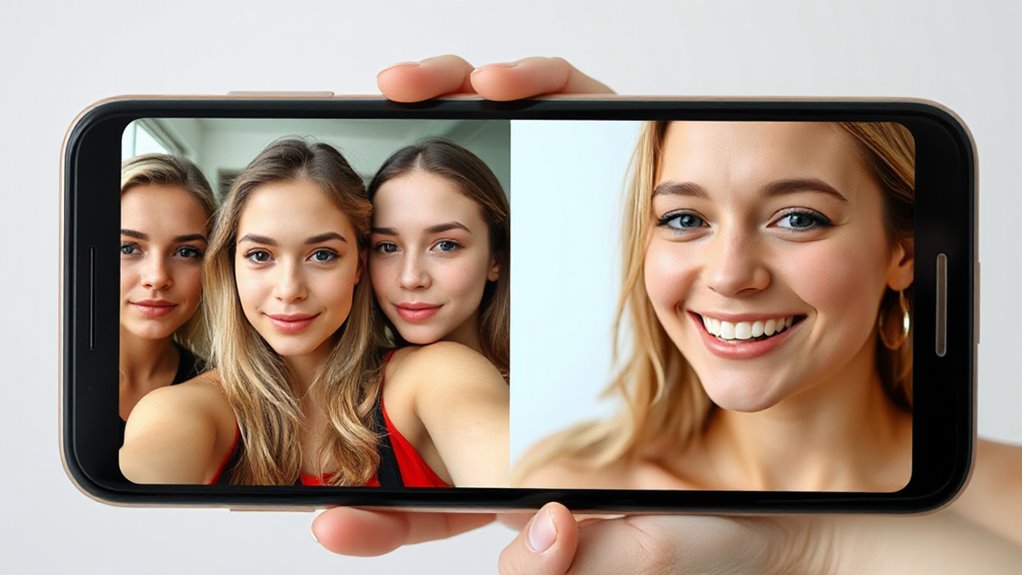
Facial symmetry plays a huge role, but here’s the thing—you can’t change your bone structure. What you can change is how you present yourself. Positive expressions automatically boost how attractive others find you. Smile genuinely. Look engaged. Health shows in your face, and people instinctively notice vitality over perfection.
Your personality carries massive weight in long-term attractiveness. Research shows that six weeks of positive social interaction completely shifts how people perceive your physical appeal. Be reliable. Contribute meaningfully to conversations. Show genuine interest in others. Character traits literally reshape how attractive people find your face over time.
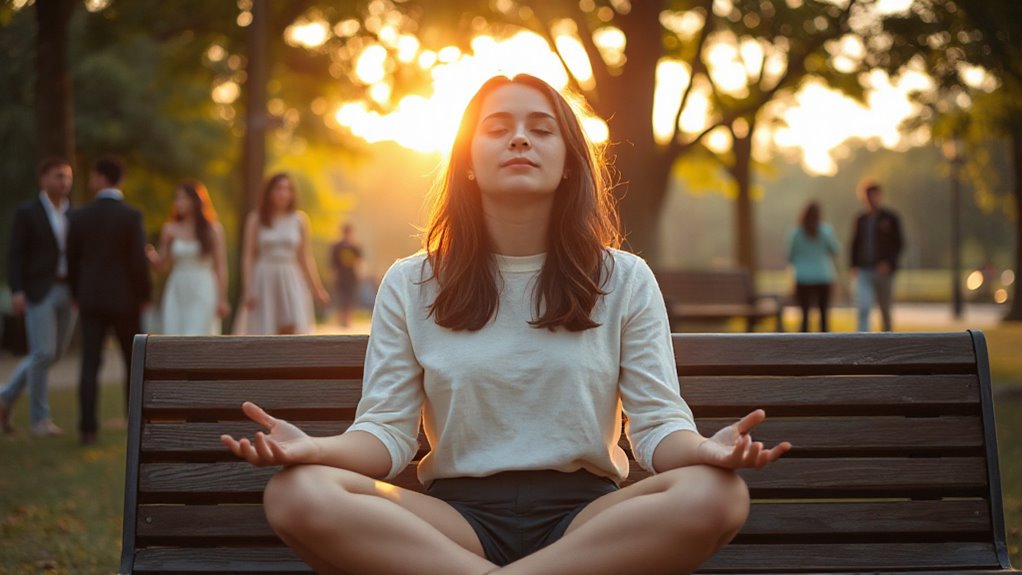
Confidence creates a feedback loop that works in your favor. When you believe you’re attractive, others pick up on that energy. Self-esteem influences how you carry yourself, which affects how others respond to you, which boosts your confidence further. It’s not about being arrogant—it’s about owning your space. Attractive individuals benefit from the halo effect, where positive traits like intelligence and honesty are automatically attributed to them.
Health indicators matter enormously. Attractive people consistently show better health markers, and the reverse is also true—healthy people appear more attractive. Exercise regularly, eat well, get enough sleep. These aren’t just lifestyle choices; they’re attractiveness strategies that show in your skin, energy levels, and overall presence. Studies tracking people over a decade reveal that above-average attractiveness correlates with significantly lower cardiometabolic risk even after accounting for body weight and other factors.
Focus on what you control. You can’t redesign your features, but you can master your movement, improve your health, develop your personality, and build genuine confidence.
Attractiveness isn’t a fixed trait—it’s a skill you develop through consistent effort and self-awareness.
Frequently Asked Questions
How Long Does It Take to See Results From Confidence-Building Efforts?
Someone can notice small confidence boosts immediately after preparation rituals or positive feedback. However, real, lasting confidence takes weeks to months of consistent effort and accumulated wins.
People see significant changes after repeated practice and small goal achievements over an academic term or longer. The key is sustained action—confidence isn’t built overnight, but gradual progress becomes noticeable within several weeks of dedicated work.
Can Physical Appearance Changes Really Boost Inner Confidence Levels?
Yes, physical appearance changes can genuinely boost inner confidence levels. Research shows that improving physical traits leads to better self-esteem and more positive social interactions.
When people feel better about how they look, they carry themselves differently and receive more positive feedback from others. This creates a reinforcing cycle where external changes generate real internal confidence gains, not just superficial improvements.
What Should I Do if My Confidence Efforts Feel Fake or Forced?
That fake feeling is normal and temporary. The person should push through it because their brain needs time to catch up with new behaviors.
They can start with tiny confidence acts for five minutes daily, practice in low-pressure situations, and talk to themselves in third person like “You can handle this.”
The fakeness fades as competence builds through repetition.
How Do I Maintain Attractiveness and Charm During Stressful Life Periods?
During stressful periods, one should prioritize sleep and skincare to combat stress’s visible effects on facial attractiveness.
Regular nature walks help restore feelings of attractiveness while reducing cortisol levels that make faces appear less fertile and appealing.
Managing stress through relaxation techniques prevents the facial changes that signal poor health to others.
Maintaining healthy body weight remains essential, as stress shouldn’t derail basic self-care habits that preserve physical appeal.
Is It Possible to Be Too Confident and Actually Repel People?
Yes, excessive confidence absolutely repels people. When confidence crosses into arrogance, it threatens others’ self-esteem and creates perceived dissimilarity.
People find overconfident individuals dismissive, untrustworthy, and socially disgusting—especially when paired with ego-involvement or confrontational behavior.
The sweet spot balances self-assurance with humility.
Cultural context matters too; some environments value modesty more than bravado.