
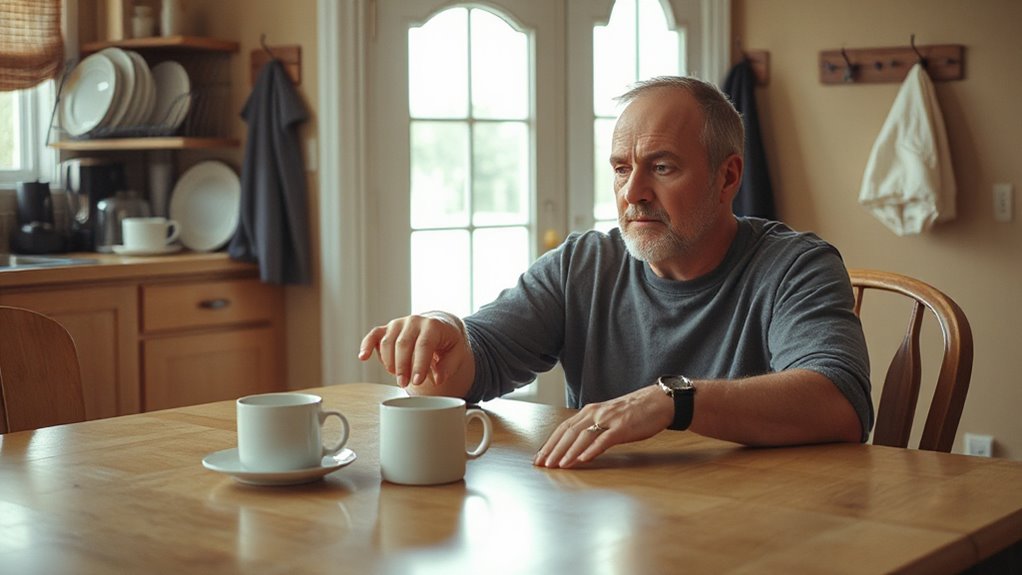


Breaking toxic relationship cycles starts with recognizing the same fights and disappointments showing up with different people. Most folks unconsciously choose partners who feel familiar, even when that familiarity breeds dysfunction. The brain craves predictability over actual happiness. Start by identifying recurring conflicts, questioning whether reactions stem from past wounds or present reality, and establishing firm boundaries without over-explaining. Real change means pausing before old patterns resurface and consciously choosing differently—a skill that becomes clearer with deeper understanding.
The same fights, the same disappointments, the same heartbreak—different person, identical outcome. If this sounds familiar, welcome to the club nobody wants to join: people who keep dating their ex in different packaging.
Here’s the uncomfortable truth. Most people unconsciously choose partners who feel familiar, even when familiar means toxic. That comfort zone isn’t actually comfortable—it’s just known territory. The brain craves predictability, even when that predictability involves drama, neglect, or emotional unavailability.
This happens because of something called repetition compulsion. People unconsciously recreate past traumatic experiences, hoping to finally get it right this time. Spoiler alert: you can’t fix your childhood through your dating life. That original injury—usually something that happened with parents or early caregivers—keeps bleeding into every new relationship until it gets properly addressed.
Attachment styles matter too. If someone grew up with inconsistent care, they might develop an anxious attachment style, constantly seeking reassurance. If they experienced emotional neglect, they might become avoidantly attached, keeping people at arm’s length. These patterns don’t magically disappear when someone swipes right. These patterns develop because caregiver responsiveness in childhood fundamentally shapes our expectations of how others will treat us in adult relationships.
Breaking the cycle requires brutal self-awareness. Ask yourself: What do I always fight about? Who consistently gets under my skin? What beliefs do I hold about love and relationships? If the answer involves thinking love should be hard work or that you need to prove your worth, that’s a red flag waving frantically. Practicing radical self-awareness means consistently questioning whether your reactions stem from present reality or past wounds. Healthy relationships also depend on clear communication and mutual understanding to prevent repeating cycles.
The solution starts with boundaries. Not the wishy-washy kind, but firm lines that teach others how to treat you. Stop tolerating behavior that drains your energy or makes you question your sanity. Practice saying no without lengthy explanations or apologies.
Most importantly, stay present. When old patterns try to resurface—and they will—pause. Notice what’s happening without judgment. Ask yourself if you’re responding to the person in front of you or to ghosts from your past.
Change isn’t about finding the perfect partner. It’s about becoming someone who chooses differently, consciously and deliberately. That’s how you break the cycle and stop rewriting the same sad story.
Frequently Asked Questions
How Long Does It Typically Take to Break Old Relationship Patterns?
Breaking old relationship patterns typically takes 2-5 years of conscious effort. Most people need at least two relationship cycles to recognize their destructive habits and another to practice healthier behaviors.
The timeline depends on self-awareness levels, willingness to change, and whether someone gets professional help. Quick fixes don’t exist—real pattern change requires sustained work and multiple chances to practice new responses.
Can Therapy Help Identify Patterns I’m Not Aware Of?
Absolutely. Therapy excels at spotting blind spots people miss entirely. Therapists use techniques like analyzing how someone relates to them, examining recurring themes in stories, and connecting current behaviors to past experiences.
They’re trained pattern-detectors who notice what flies under the radar. Most people repeat relationship cycles unconsciously—therapy makes the invisible visible so change becomes possible.
What if My Partner Isn’t Willing to Change Their Patterns?
When a partner refuses to change their patterns, someone has limited options. They can focus on changing their own responses, which often shifts the dynamic anyway.
They can make specific, collaborative requests using “we” language instead of accusatory “you” statements.
If resistance continues, professional help becomes necessary.
Sometimes people have to accept that they can’t force change and decide accordingly.
How Do I Know if I’m Actually Changing or Just Thinking Differently?
Track specific behaviors, not feelings. Can others see the changes? Are you actually doing different things—like speaking up instead of staying quiet, or setting boundaries instead of people-pleasing?
Real change shows up in your actions over weeks and months. If you’re only thinking differently but acting the same, you’re probably just fooling yourself into believing you’ve changed.
Is It Possible to Completely Avoid All Past Relationship Mistakes?
No, avoiding all past relationship mistakes is impossible and frankly, a terrible goal. Humans aren’t robots—they mess up, learn, and grow. Perfect people make lousy partners anyway.
The real work isn’t mistake-proofing yourself; it’s developing better repair skills when things go sideways. Focus on bouncing back faster and learning deeper lessons, not achieving some fantasy perfection that doesn’t exist.