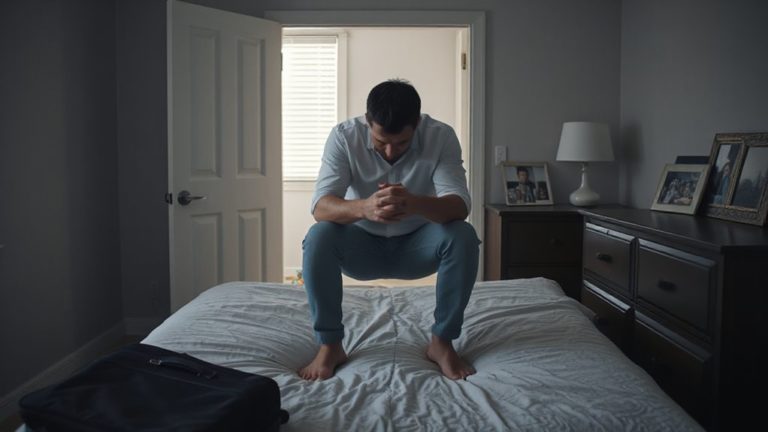









Most people have sex around the third or fourth date, but that’s just an average—not a rulebook. Some jump in on date one (about 45% have done it), while others wait weeks or months. Men typically want it sooner, women often prefer waiting longer, and younger people are more comfortable with early intimacy. The real answer? When it feels right for both people, not when some study says it should happen. Personal timing beats societal expectations every time.

The question of how many dates to wait before having sex has sparked countless debates, awkward conversations, and probably a few regrettable decisions. The research offers some clarity, though it won’t solve everyone’s dating dilemmas.
Data from 11,000 people across 24 cities reveals the average number of dates before sex is 3.53—essentially four dates. This timing apparently strikes a balance between building genuine connection and acting on chemistry before it fizzles out. Other studies peg the average closer to three dates, but the point remains: most people aren’t jumping into bed immediately, nor are they waiting months. Maintaining open communication and mutual respect during this period can foster a healthier and more fulfilling connection.
Most people hit the sweet spot around three to four dates—enough time to connect without letting the spark fade.
Gender differences tell an interesting story. Men are more likely than women to have sex on the first date—60% versus 49%. Women typically prefer waiting longer, with some surveys showing they wait an average of nine dates. Men are also more likely to view sex within the first month as acceptable, at 38% compared to 20% for women.
First-date sex has become surprisingly mainstream. About 56% of singles consider it acceptable, and 45% have actually done it. Among those who met online, 28% reported first-date intimacy. Age plays a major role here—65% of 18-24-year-olds are comfortable with first-date sex, while only 30% of people over 50 feel the same way.
The relationship outcome data presents a fascinating contradiction. While 41% of singles believe first-date sex helps determine sexual compatibility, and people who have sex early often report higher initial relationship satisfaction, couples who wait longer show better long-term results. Those who delay sex report higher relationship satisfaction after marriage, better communication, and lower divorce consideration. This pressure-free approach allows individuals to focus on their genuine feelings rather than external expectations.
The benefits peak for couples who wait until marriage—they experience 20% higher relationship satisfaction. Cultural and age factors considerably influence these patterns. Urban areas show higher acceptance of early intimacy, while cultural norms create wide variations in expectations.
The bottom line? There’s no universal rule. The “right” timing depends on individual values, relationship goals, and what both people genuinely want—not what surveys suggest everyone else is doing. These statistics are largely based on cis-heteronormative assumptions and don’t account for the full spectrum of human relationships and experiences. Prioritizing physical and mental well-being supports healthier decisions and stronger intimacy over time.
Frequently Asked Questions
How Do I Know if My Partner Is Ready for Sex?
Watch for clear verbal communication about wanting intimacy, not just physical cues. They’ll discuss boundaries openly, express genuine enthusiasm rather than hesitation, and show consistent emotional connection.
Notice if they initiate intimate conversations, seem relaxed rather than anxious, and demonstrate trust through vulnerability. Most importantly, they’ll explicitly say yes without pressure or coercion.
Don’t guess—ask directly and listen carefully.
What if We Have Different Timelines for Physical Intimacy?
Different timelines happen constantly, and they’re totally manageable with honest conversation.
The person wanting to wait longer sets the pace—no exceptions.
Talk openly about expectations early, before clothes come off.
Research shows mismatched timelines work fine when couples communicate instead of making assumptions.
Don’t pressure, don’t pout, don’t hint.
Just respect boundaries and discuss what works for both people moving forward.
Should I Discuss Sexual Health and STD Testing Before Having Sex?
Absolutely. Having the STD conversation isn’t romantic, but neither is getting chlamydia. Smart people discuss sexual health and recent test results before getting intimate. It shows maturity and respect for both partners’ wellbeing.
If someone gets weird about it or refuses to share their status, that’s valuable information about their judgment and priorities. Make it routine, not awkward—just like asking about food allergies before cooking dinner together.
How Do I Bring up the Topic of Sex Without Pressure?
Bring it up during neutral moments—over coffee, not mid-makeout. Use “I” statements like “I’ve been thinking about us becoming more intimate” instead of “When are we going to have sex?”
Make it clear there’s no rush or expectation. Listen for their actual response, not what you want to hear.
If they seem hesitant, back off completely. The goal is understanding each other, not getting laid tonight.
What if I Regret Having Sex Too Early in the Relationship?
Sexual regret hits hard, especially for women who feel pressured or unprepared. The damage isn’t just immediate—it can mess with future relationships and emotional connection.
If someone’s already there, they need to process those feelings honestly, maybe with a therapist. Learn what went wrong: was it pressure, timing, or the wrong person?
Use that knowledge to set better boundaries moving forward.