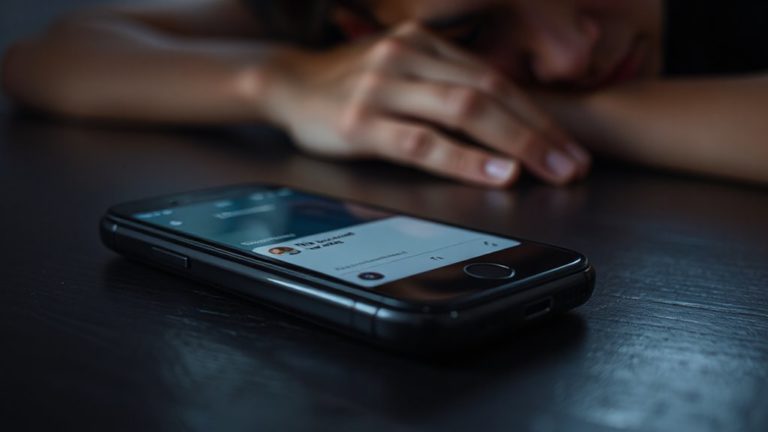

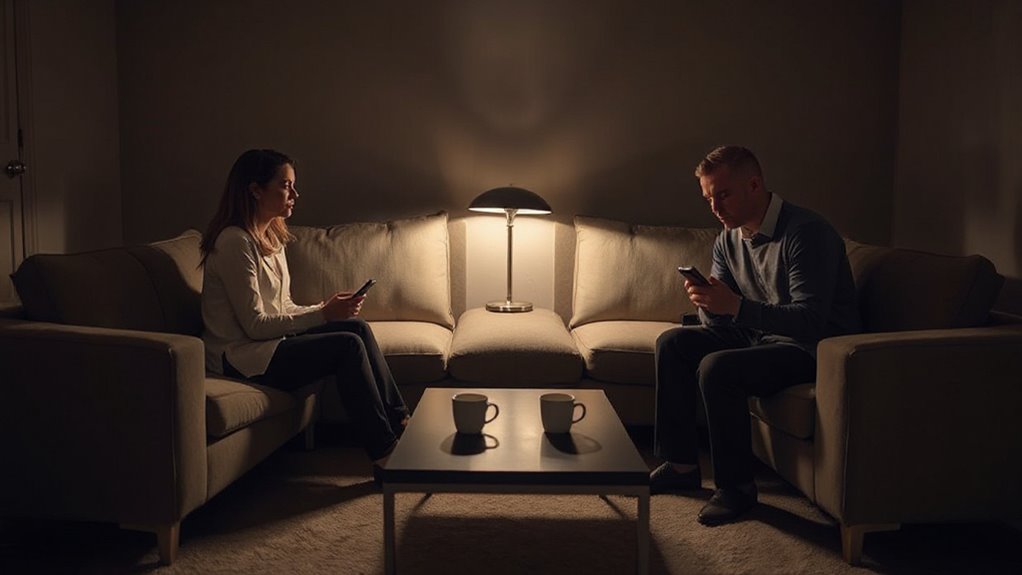


In the messy overlap between coding culture and dating, Gen-Z has borrowed two approaches from the tech world and applied them to love—sometimes without realizing it. The terms floating around are “clear-coding” and “vibe-coding,” and they’re shaping how people communicate, set expectations, and navigate relationships in ways that would’ve seemed bizarre a decade ago.
Here’s the thing: these aren’t just cute buzzwords. They represent fundamentally different philosophies about how to handle romance. Clear-coding, in relationship terms, means stating exactly what you want, need, and expect. No ambiguity. No hints. Just direct communication about boundaries, feelings, and intentions. It’s the person who texts “I’m looking for something serious” on date two instead of hoping you’ll pick up the vibe.
Clear-coding kills the guessing game—it’s direct communication about what you want instead of waiting for someone to read your mind.
Vibe-coding, borrowed from a software development technique where programmers use AI to generate code without scrutinizing every line, translates to trusting the emotional flow without dissecting every interaction. It’s letting things unfold naturally, reading energy instead of demanding explicit labels, and accepting some uncertainty in exchange for spontaneity. The connection feels right, so why overthink it?
The problem is that most people aren’t purely one or the other, and mixing approaches with the wrong person creates chaos. A clear-coder dating a vibe-coder is a recipe for frustration. One person wants to define the relationship after three weeks. The other thinks that conversation kills the magic.
Neither approach is inherently better. Clear-coding prevents misunderstandings and wasted time, but it can feel transactional, like negotiating a contract instead of building something organic. Vibe-coding preserves mystery and allows relationships to breathe, but it also enables people to avoid accountability by claiming they “never said” they wanted anything serious. Just as iterative feedback refines code in the development process, relationships often require rounds of conversation to adjust expectations and align on what both people actually want. Much like how vibe coding involves accepting bugs and glitches as part of the AI-generated process, relationship vibe-coders often tolerate emotional uncertainties and mixed signals as natural features rather than problems to fix.
What Gen-Z is actually doing, whether consciously or not, is forcing a conversation about intentionality in dating. Should we engineer our relationships with precision, or trust our instincts? The answer probably lies somewhere in the middle—clear enough to avoid unnecessary pain, flexible enough to let genuine connection surprise you. That balance, though? Still being decoded.