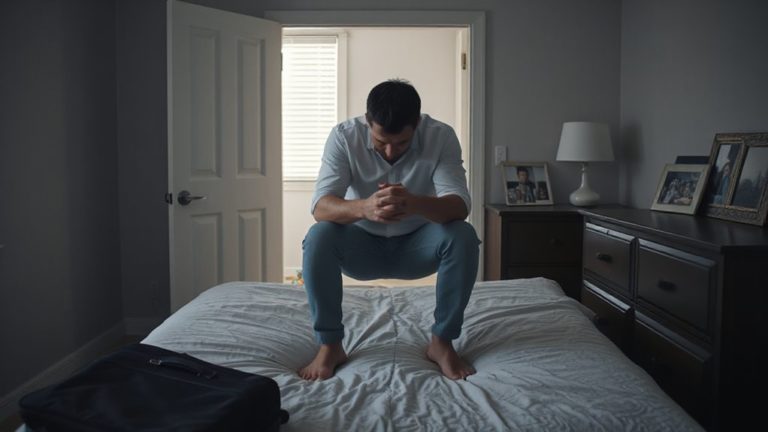




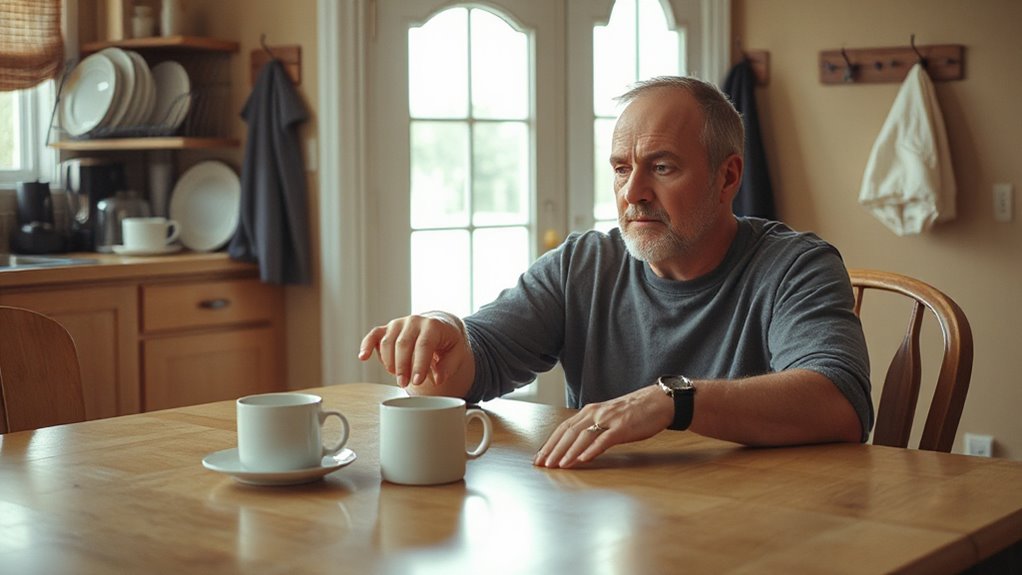




The soulmate myth promises completion, but the reality is messier and more interesting. Most Americans believe in soulmates—a 2021 YouGov survey found 60% of 15,000 respondents do—but that belief shapes relationships more than any cosmic truth. Science can’t prove or disprove soulmates exist. What matters is how the idea influences your love life, for better or worse.
The soulmate myth promises completion, but the reality is messier and more interesting.
Here’s the paradox: People who believe in soulmates report higher satisfaction when they think they’ve found “the one.” That good feeling holds up even under stress. Sounds great, right? Except soulmate believers also experience higher conflict and divorce rates. When you see your partner as your perfect match, every disagreement feels like proof you chose wrong. One bad fight becomes an existential crisis.
Compare that to the work-it-out mindset. Couples who view relationships as something you build together handle conflict better. They don’t panic when things get hard because struggle doesn’t threaten their foundation. The fellow-traveler perspective—we’re figuring this out together—creates adaptive, resilient partnerships. Early intervention like couples therapy can often prevent long-term decline when problems start.
The types of soulmate connections vary wildly. Karmic soulmates teach painful lessons. Soul mates guide or teach, sometimes appearing as brief encounters that shift your perspective. Twin flames supposedly mirror your soul and raise consciousness. Each type promises transformation, often through crisis.
And transformation does happen in deep relationships. Soulmate bonds trigger old wounds and hidden shadows. They create what researchers call a crucible—intense pressure that forces growth. But here’s the catch: that deep work requires courage and effort, not just cosmic alignment. You can have multiple “marriages” within one long partnership as both people evolve.
The compatibility myth doesn’t help. Studies show no objective compatibility difference between happy and unhappy couples. Personality tests can’t predict relationship success. What matters? How you interact. How you build a shared meaningful life together. Relationships function as a classroom for personal development, teaching core lessons that ultimately center on love. Reciprocal liking—showing and receiving clear signals of mutual interest—is one precursor that actually makes romantic love possible.