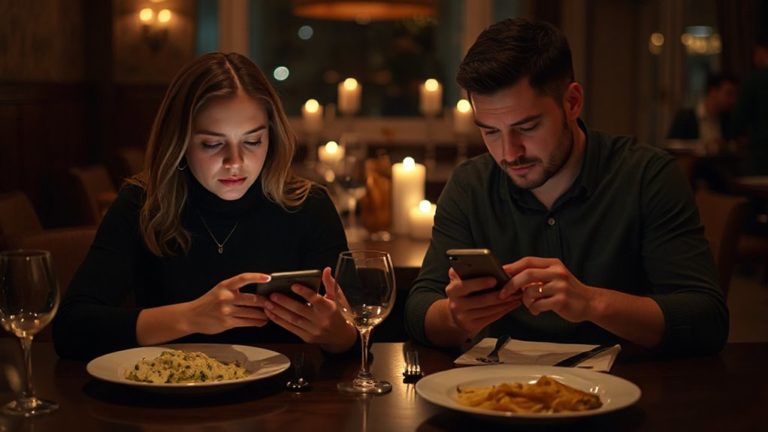

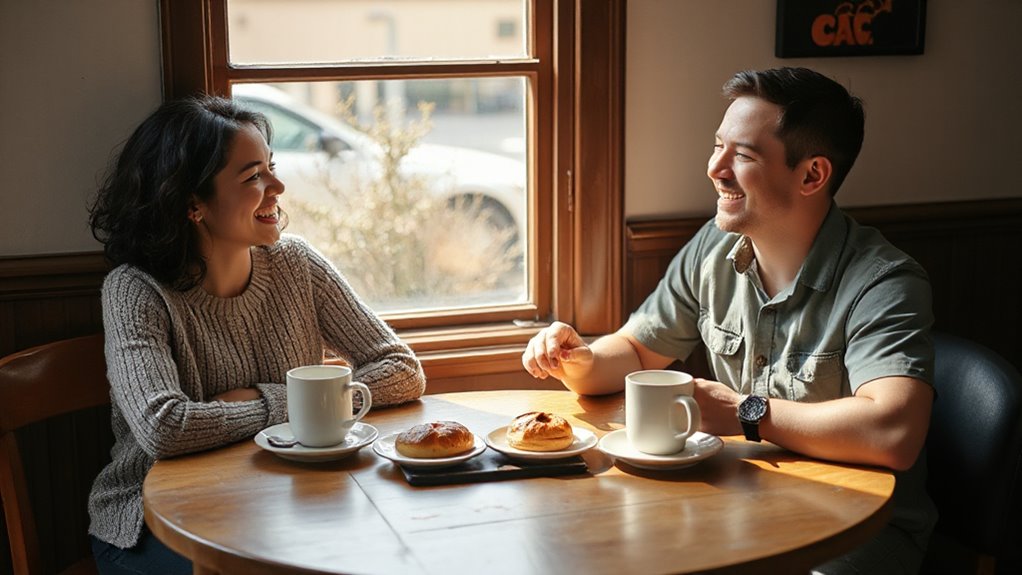
Dating apps used to feel like the future—swipe, match, meet someone perfect. But in 2026, that promise has worn thin. With 60 million active Tinder users and a 46% market share, you’d think everyone would be coupled up by now. Instead, app fatigue has hit a tipping point. Endless options don’t translate to better outcomes—just more exhaustion, mismatched expectations, and ghosting after three half-hearted messages.
The backlash is real. Singles are ditching high-volume swiping for slow dating, focusing on fewer connections that actually develop naturally. The new advice? Give someone three to five dates before deciding, especially if social anxiety is in play. Curiosity and playfulness matter more than instant chemistry manufactured by an algorithm that can’t read emotional readiness the way a real human can. Many people are also wary because romance scams and fake profiles remain common online.
Intentional dating is taking over. Gen Z calls it ROEmancing—treating relationships like investments with measurable emotional returns. That means prequalifying partners upfront: What do you want? What’s your timeline? Are you actually ready? High achievers are even hiring professional matchmakers for personalized insights, because algorithms keep failing where it counts.
Authenticity is no longer optional. One in four people now show their real selves on first dates, a trend called truecasting. Gen Z craves meaningful connection—84% say so—but 36% more of them hesitate to dive deep compared to millennials. The irony? Sixty-five percent of Gen Z men want deeper conversations early, yet 48% hold back to avoid seeming “too much.” Meanwhile, 43% of Gen Z women wait for someone else to start.
Here’s the shift: emotional intimacy and fun are sexy now. Clear commitment, not situationships. Transparency over posturing. Some are approaching dates with curiosity about personal lore, seeing where the story leads rather than fixating on immediate sparks. And don’t sleep on older singles. Baby Boomers and Gen X are leading a dating revolution. Match.com reports 26.5% of users are over 50, and that segment is growing faster than any other. Eighty-five percent of people aged 45 to 65 want an active sex life, and many prefer long-term relationships without marriage. Platforms now feature photo and identity verification to protect users from fake profiles and scams.
Dating in 2026 isn’t about finding perfection. It’s about finding alignment, readiness, and someone willing to show up honestly.