
Why do millions of people voluntarily subject themselves to the emotional rollercoaster of dating apps, swiping through endless faces like they’re shopping for groceries? The numbers paint a picture of digital dating chaos that might explain why your matches keep showing up fashionably late to everything.
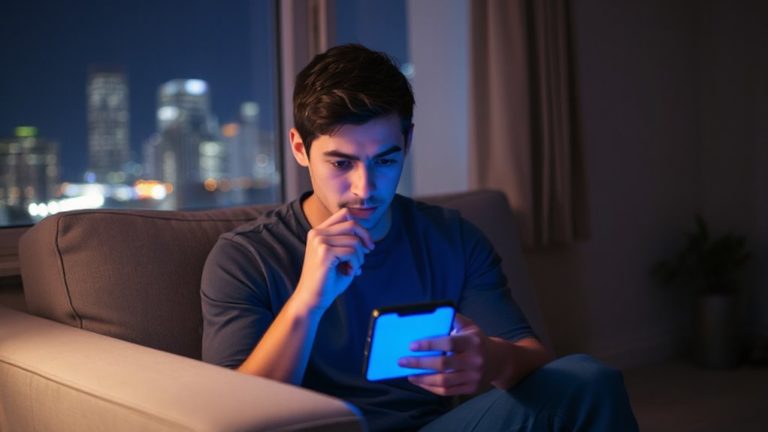
Nearly 20% of users juggle at least 10 conversations simultaneously. Think about that for a second. Your potential date isn’t just talking to you—they’re managing a small army of matches. When someone’s splitting attention between multiple conversations, punctuality becomes a luxury they can’t afford. They’re probably running late because they’re still wrapping up coffee with match number seven while texting match number four about dinner plans. This is compounded by the fact that effective conversation starters can be hard to come by, making conversations less engaging and more drawn out.
The messaging habits reveal even more dysfunction. Over 25% send first messages within minutes of matching, but then 25% wait hours to reply to responses. This creates a bizarre rhythm where people rush into conversations but then disappear into digital black holes. Your date might be chronically late because they’ve conditioned themselves to operate on “app time”—where immediate responses and delayed reactions somehow coexist.
Technology has rewired dating expectations in fundamental ways. Algorithms assign compatibility scores and analyze behavioral patterns, but they can’t measure someone’s ability to show up on time. Machine learning can predict relationship potential from vast user data, but punctuality apparently isn’t part of the equation.
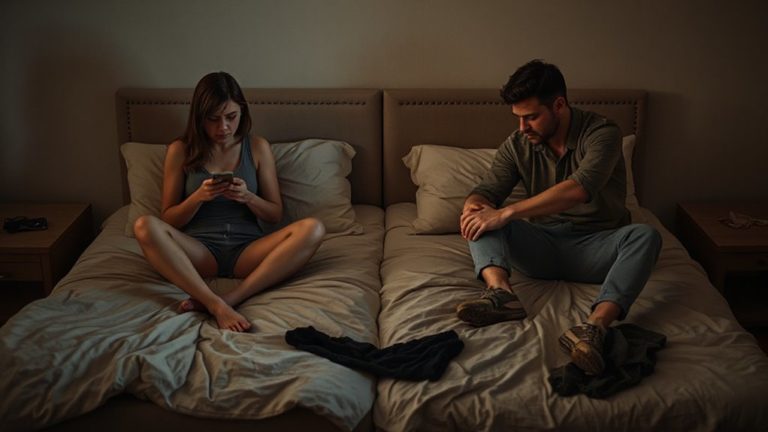
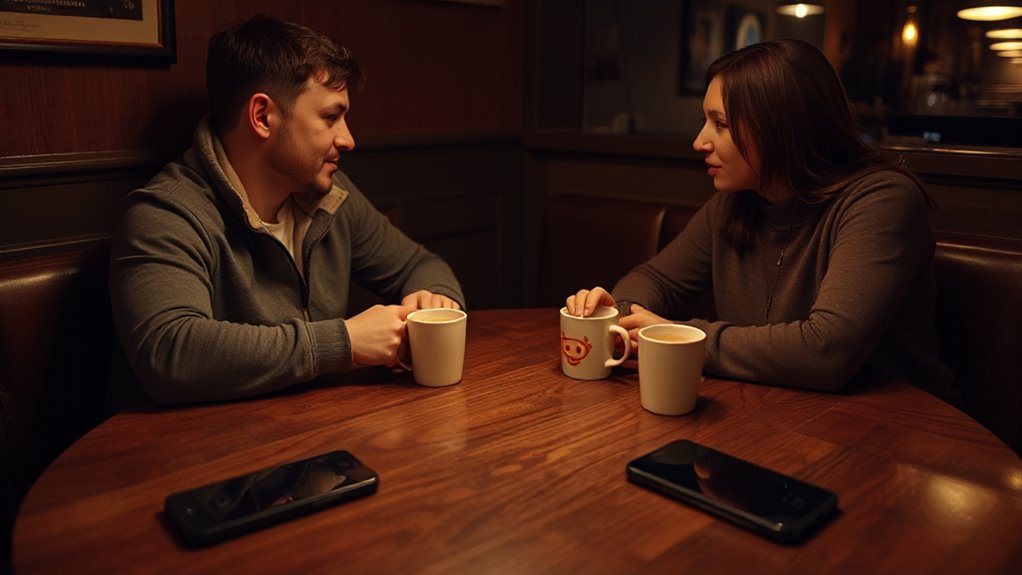
The phone distraction epidemic compounds the problem. Over half of people in relationships report their partners getting distracted by phones during conversations. If committed couples can’t maintain focus, imagine what’s happening with casual matches who haven’t even established real connection yet.
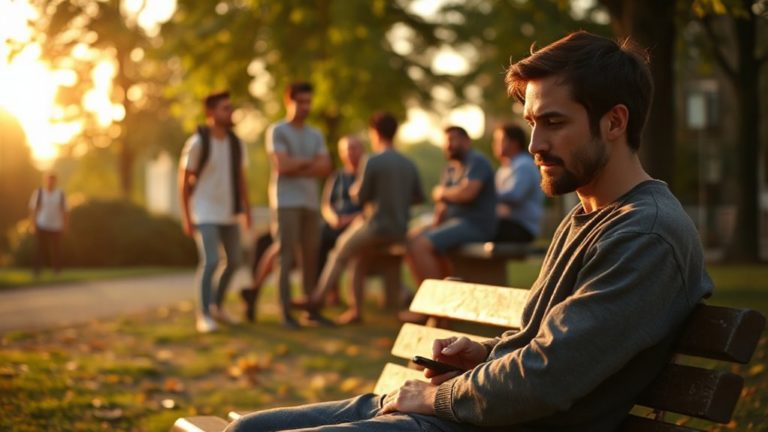
Here’s the uncomfortable truth: dating apps have created a culture of infinite options and minimal commitment. When Tinder holds 58% usage rates and people check apps up to 14 times daily, everyone’s operating under the assumption that something better might be just one swipe away. Your chronically late match isn’t necessarily disrespectful—they’re probably just overwhelmed by choice and struggling to manage multiple digital relationships simultaneously. Many users operate five or more dating apps at the same time, making it nearly impossible to keep track of all their scheduled meetings and conversations. Users often experience connection overload when managing numerous potential matches across multiple platforms.
The solution? Set clear expectations upfront and don’t tolerate serial lateness, regardless of how great their profile looks.