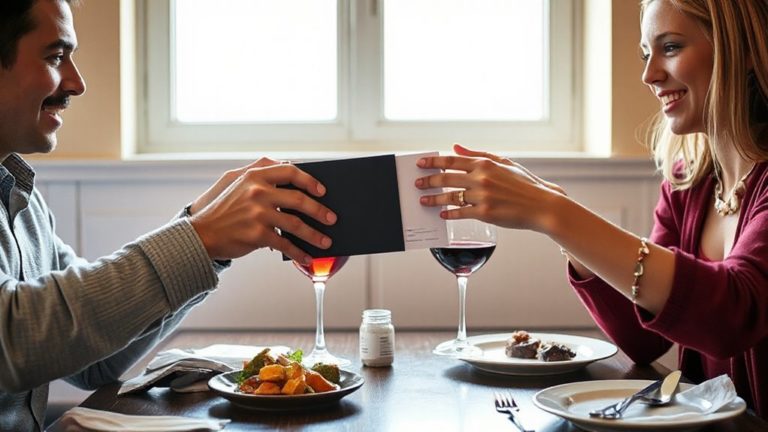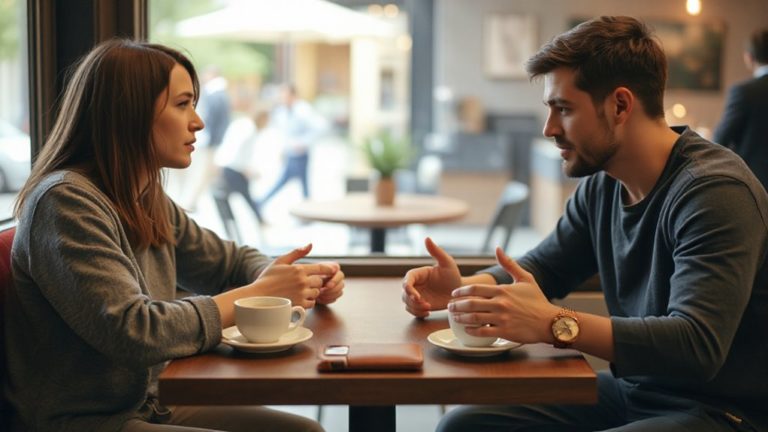
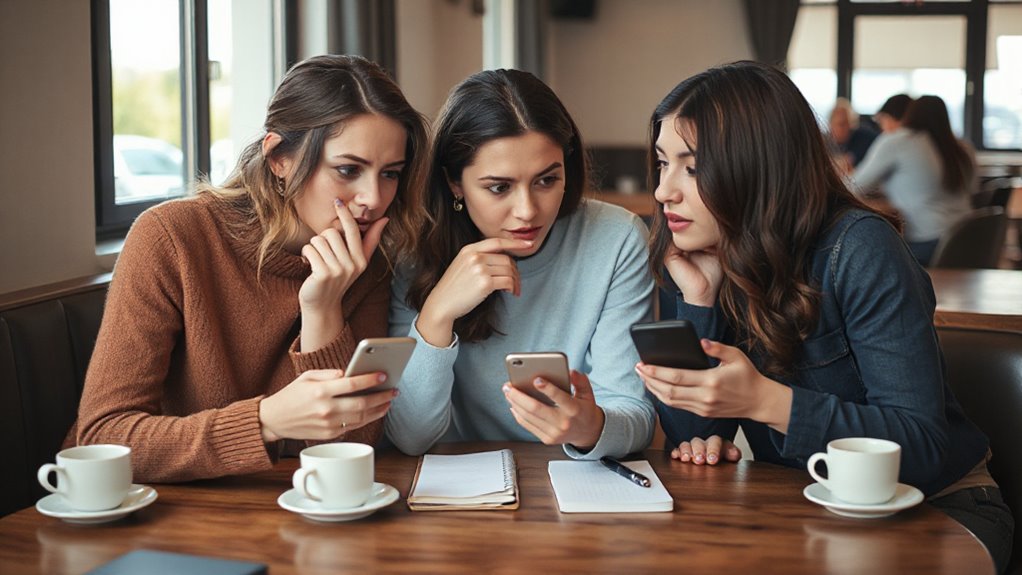


How ready someone thinks they are for a serious relationship usually matches what their friends think about them—and that matters more than most people realize. Research involving 772 participants organized into friend groups reveals this uncomfortable truth: your dating readiness isn’t some mysterious internal state only you understand. Your friends can read you like a book.
Your friends can accurately assess your relationship readiness—and their judgment shapes your romantic opportunities more than you think.
The study found strong agreement between self-perceptions and friend assessments of commitment readiness. This isn’t just interesting psychology—it’s vital information about your romantic prospects. Friends don’t just observe your dating life from the sidelines. They actively influence who you meet, how relationships develop, and whether romance succeeds or crashes. For example, incorporating profile content into initial dating conversations can significantly increase response likelihood, highlighting the importance of social context in romantic interactions.
Here’s where it gets messy. People with anxious or avoidant attachment styles consistently get labeled as less commitment-ready by both themselves and their social circles. Those attachment patterns create visible behaviors that broadcast relationship reluctance, even when someone desperately wants connection. Emotional immaturity and poor communication skills signal unreadiness more clearly than deeper psychological issues.
But there’s a twist that complicates everything: assumed similarity bias. People project their own relationship mindset onto friends. Someone avoiding commitment assumes their friends feel the same way. Someone craving partnership believes everyone around them shares that hunger. This projection distorts both self-assessment and social feedback.
The practical implications are stark. Friend networks can either facilitate romantic opportunities or systematically undermine them through collective judgments about readiness. Social circles become gatekeepers, determining access to potential partners and relationship success. Combining self-awareness with friends’ opinions leads to healthier partnerships by preventing emotionally unprepared individuals from entering relationships prematurely.
So what separates genuine readiness from loneliness masquerading as romantic desire? Observable commitment behaviors matter more than internal feelings. Emotional maturity, communication skills, and demonstrated relationship stability send clear signals that friends recognize and respond to. Many people today navigate digital communication stages like “just talking” before committing, which can create additional confusion about true readiness.
The research suggests people are relatively accurate at judging their own readiness compared to friend assessments. This means honest self-reflection usually aligns with external reality. If friends consistently view someone as unready for commitment, that perception probably reflects genuine limitations rather than misunderstanding.
The bottom line: readiness for love isn’t just personal—it’s social, visible, and measurable through the eyes of those who know you best.