
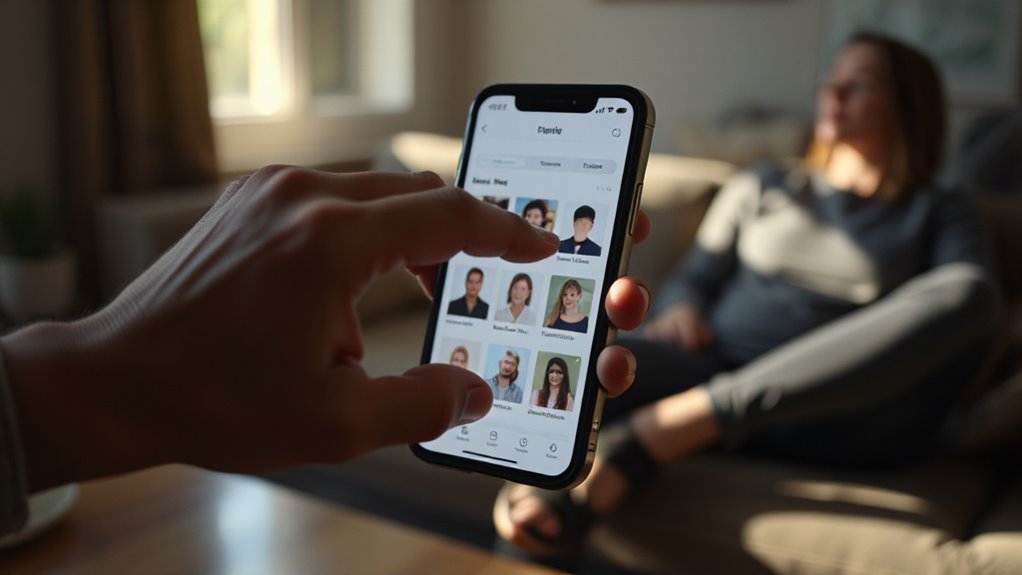


While dating apps promised endless possibilities, they delivered endless exhaustion instead. Swipe culture became a second job, and situationships—those gray zones of regular hookups with zero commitment—left people drained. Now the pendulum is swinging hard. Nearly three in five daters aged 25 and up are demanding clarity upfront. No more guessing games. No more “What are we?” conversations six months in.
The era of ambiguous connections is ending as exhausted daters trade endless swipes for upfront clarity and defined expectations.
This shift has a name: intentional dating. Tinder’s 2025-2026 Year in Swipe report calls it “Clear-Coding,” where singles explicitly state what they want—serious relationship, casual but defined, something in between. The goal is simple: cut through the noise before wasting anyone’s time. Black Gen Z daters are leading the charge, prioritizing safety, alignment, and follow-through, according to a BLK survey of 4,000 users. They’re not here to play. Familiarity and repeated positive contact often strengthen attraction, turning early clarity into lasting connection mere exposure effect.
The fatigue is real. Endless options didn’t create endless love. They created burnout. So singles are getting selective, swapping volume for quality. Professional matchmakers are making a comeback because algorithms can’t gauge emotional readiness. Slow dating is in. Curated introductions beat mindless swiping. People would rather wait for the right match than collect another roster of maybes.
Demographics matter here. Singles aged 50 to 70 now dominate the dating pool, and they’re not interested in games. They want smart, authentic connections. Among Black Gen Z, 56.4% consider actively practiced faith important in a partner, and 41.1% prioritize political alignment. Values aren’t optional anymore—they’re the foundation. Nearly half raise nonnegotiables early in dating, treating alignment on faith, finances, and family goals as essentials worth surfacing upfront.
Even conversation styles are shifting. Sixty-five percent of heterosexual men want deeper talks early on, but 48% of Gen Z men hold back, afraid of seeming “too much.” Meanwhile, 43% of Gen Z women wait for others to initiate those conversations, assuming silence means disinterest. The irony? Both sides crave vulnerability but won’t make the first move.
Emotional intelligence is the new baseline. Shared playlists, faith practices, and community ties preview compatibility better than curated photos ever could. Therapy-literate dating is standard now. People want partners who repair instead of dramatize. The green flag? Emotional consistency. What was once appealing about situationships—the low-pressure beginning—now gets overshadowed by the stress of never knowing where you stand. The era of ambiguity is over.