



Despite what Instagram and every college movie would have you believe, hookup culture isn’t working out the way most students hoped.
The gap between what social media sells and what students actually experience reveals a truth nobody’s posting about.
Sure, between 60-80% of North American college students have experienced some form of hookup, but here’s the reality check: only 15-25% actually feel comfortable with it. Research shows that attachment styles can shape these outcomes, with anxious attachment often increasing discomfort.
The rest? Either sitting it out completely—about 30%—or participating with serious mixed feelings. That’s the majority walking around conflicted about what they’re doing.
Let’s be clear about what we’re talking about. A hookup can mean anything from kissing to full intercourse, usually without any dating or relationship attached.
The old courtship model flipped entirely. Now sex comes first, maybe a relationship later. It’s normalized, talked about openly, sold as the standard college experience by media that profits from keeping you hooked on the narrative.
Alcohol plays a starring role. About 52% of hookups with non-steady partners happen after drinking.
People use it as liquid courage to do something they might not otherwise feel comfortable doing. Bars, parties, the usual spots. The problem? Alcohol muddles consent, making everything messier and riskier than it needs to be.
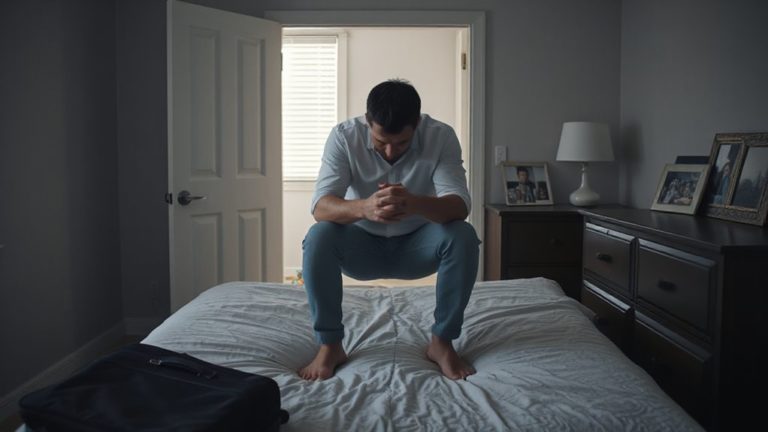
The emotional aftermath hits hard. An APA survey found that 82.6% of undergraduate students reported negative mental and emotional consequences after hooking up.
We’re talking embarrassment, regret, loss of self-esteem, difficulty maintaining steady relationships later. That’s not a small minority—that’s nearly everyone.
Gender differences matter here. Seventy-three percent of men actually prefer committed relationships over casual hookups, and 70% of women want the same thing.
Yet hookup culture tends to hit women harder. Men report frustration or disappointment when things go south, while women more often report feeling disrespected or traumatized. One in five women are raped in college, with participation in hookup culture increasing those risks markedly. A study of 100,000 male undergraduate and graduate students found that 9.5% reported sexual assault, revealing that men also experience significant harm within hookup culture.
The brutal truth? Most students don’t want this culture.
They’re participating because they think everyone else wants it, creating a cycle nobody actually asked for. Many students hook up between committed relationships or while searching for a future partner, treating casual sex as a temporary placeholder rather than an end goal.