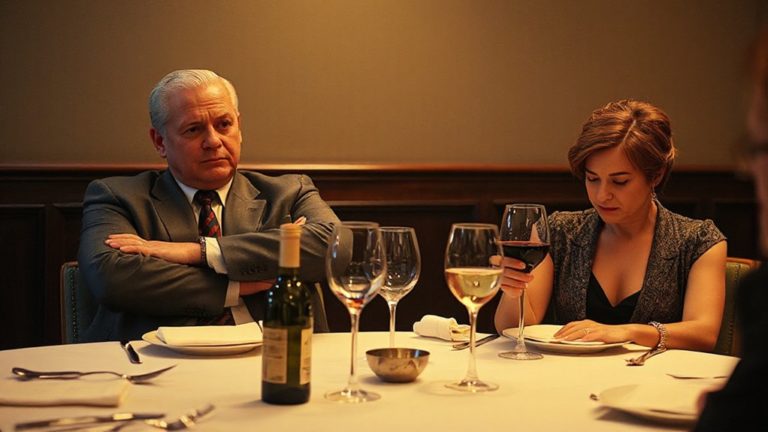








When someone’s dating life feels like a slow-motion car crash, they might not realize they’re dealing with toxic love—a sneaky cousin of outright abuse that’s harder to spot and easier to dismiss. Unlike relationships marked by obvious coercion and power plays, toxic love operates through subtler manipulation that creeps in gradually, making it nearly impossible to recognize until someone’s already trapped. Interestingly, many long-distance couples report feeling stronger connections despite physical separation, highlighting how emotional bonds can deepen under different relationship dynamics.
Toxic love masquerades as romance through subtle manipulation that gradually traps victims before they recognize the danger.
The signs aren’t dramatic. They’re mundane and maddening. Take “lazzy dating”—yes, with two z’s, because apparently regular laziness wasn’t descriptive enough for this trend where people put in minimal effort while expecting maximum results. Then there’s phubbing, where someone ignores their partner to scroll through their phone during conversations. And breadcrumbing? That’s the art of giving just enough attention to keep someone hooked without any real commitment. These behaviors sound minor, but they’re control tactics disguised as personality quirks.
Gen Z has normalized these patterns, and the numbers tell a sobering story. Record numbers of 40-year-olds have never married, according to Pew Research Center. Four in ten college-educated young men report zero romantic experiences. Most singles view dating apps as unsafe territories rather than opportunities. The result? A romantic recession fueled by politics, pessimism, and anxiety that’s reshaping how people approach relationships.
The psychological toll accumulates quietly. Negative experiences pile up until people withdraw entirely from dating. Single women increasingly report feeling happier than their married counterparts, while Gen Z shows the lowest enthusiasm for partnerships in generations. When toxic behaviors become the norm, healthy relationships start looking like fairy tales. For many individuals, declining social connection has created a void that becomes particularly apparent when they realize they’re receiving only minimal physical affection annually. Some people even experience love-bomb ghosting, where initial overwhelming affection suddenly vanishes, creating emotional whiplash that disrupts their ability to trust future partners.
Breaking free requires recognizing these subtle manipulation patterns early. People need to acknowledge emotional leverage tactics that don’t involve overt force but still create power imbalances. The key is disrupting these cycles before they escalate into something worse. Self-awareness beats relational inertia every time, and seeking external validation of experiences helps cut through the confusion that toxic love creates.
Sometimes the healthiest choice is walking away from patterns that feel normal but aren’t actually healthy. Recognition is the first step toward freedom.