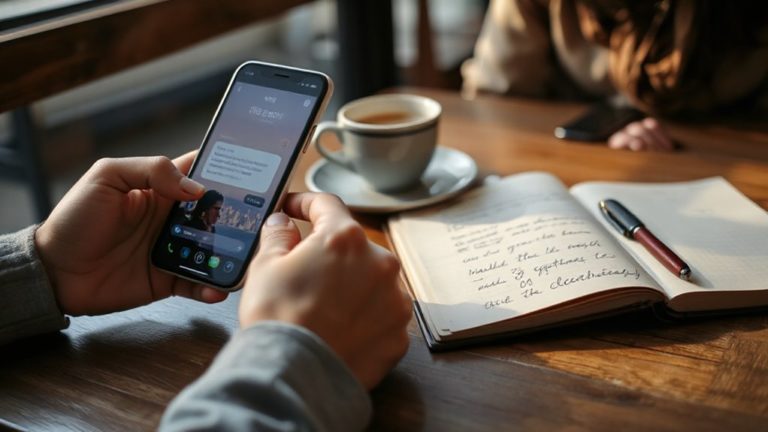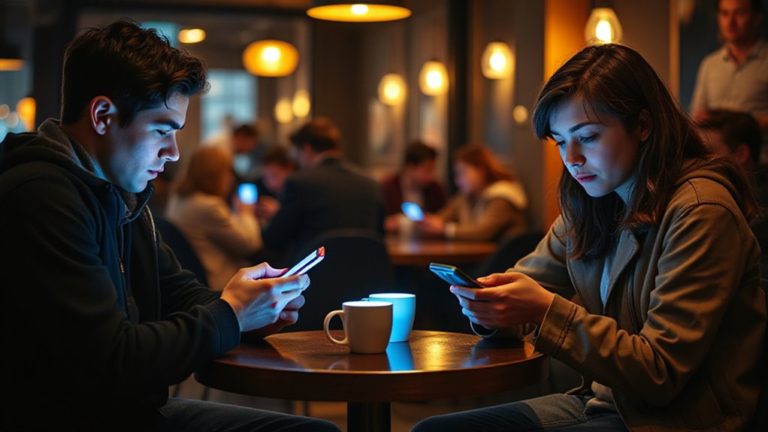




While dating apps promise unlimited romantic possibilities, they’ve also spawned a phenomenon that’s leaving millions of young people stuck in relationship limbo. Welcome to the situationship—a messy grey zone where passion and intimacy exist without commitment, and nobody knows where they actually stand.
Situationships trap millions in a grey zone where passion meets zero commitment and everyone’s left guessing where they stand.
This isn’t just anecdotal complaining. Tinder’s 2022 study crowned situationships the top dating trend among 18- to 25-year-olds, with mentions in bios jumping 49% in just ten months. The numbers tell a frustrating story: 15% of U.S. adults are single and searching, mostly dissatisfied, while three-quarters struggle to find partners who want the same type of relationship. It’s a matching problem of epidemic proportions.
What’s driving this relationship purgatory? Psychology points to perceived abundance. Social media and dating apps flood users with endless attractive alternatives—some realistic, many not. This illusion of infinite options makes commitment feel unnecessary, even risky. Why settle when someone potentially better might be one swipe away?
The psychological toll isn’t pretty. Research shows situationship ambiguity breeds hypervigilance, tanks self-esteem, and damages overall well-being. Yet people stay, often hoping these undefined connections will evolve into something real, even though they rarely do.
Still, 54% of young singles cite less pressure as a situationship benefit. These arrangements do provide companionship, intimacy, and emotional support without traditional obligations. Interviews with 89 college students revealed seven reasons people remain invested: exclusivity, emotional needs being met, trust, effort, prioritization, investment, and communication about the future. When these elements existed, satisfaction ratings climbed on a 1-7 scale.
But here’s the harsh reality—situationships consistently rank less satisfying than committed relationships. They leave participants emotionally vulnerable and uncertain, especially when they end via ghosting. The relationship quality stays lower, and evolution to actual commitment remains rare.
Dating apps and shifting cultural norms have fundamentally altered how people pursue connection. The traditional relationship escalator toward cohabitation or marriage? Many have stepped off entirely. Technology created a fast-paced world where endless options feel real, even when they’re largely illusion. Understanding this psychology matters because millions are steering these murky waters, wondering if what they have is enough—or just wasting time. A significant portion of users now rely on online dating platforms as their primary way to meet potential partners.