




For anyone who spent their twenties as a loner, convinced they’d missed the boat on romance, here’s the reality check: dating after 30 might actually be easier. The data backs this up. A Match.com survey found 42% of singles over 30 believe they’re more likely to find partners now than when they were younger. That’s not just optimism—it’s a fundamental shift in how dating works at this age.
The advantage comes down to self-awareness. By 30, most people know what they want, what they won’t tolerate, and who they actually are. Over 80% of surveyed women reported knowing themselves and their relationship preferences better than in their twenties. More than half felt genuinely comfortable in their own skin. That clarity matters. It means less time wasted on incompatible partners and more intentional selection instead of just dating whoever shows interest. Consistent communication also helps newer relationships develop more steadily.
Financial stability plays a bigger role than people admit. Established careers remove the survival-mode anxiety that poisons younger relationships. When rent isn’t a constant panic, couples can actually focus on emotional connection. Career establishment provides a foundation that makes partnerships healthier and more supportive. The stress relief alone changes relationship dynamics entirely.
Personal growth investments pay off in dating markets too. Hobbies, continuous learning, skill development—all of it makes someone more attractive to potential partners. Plus, pursuing genuine interests creates natural opportunities to meet like-minded people. Among women aged 36-50, 84% expressed interest in long-term relationships, proving the desire for partnership doesn’t evaporate with age.
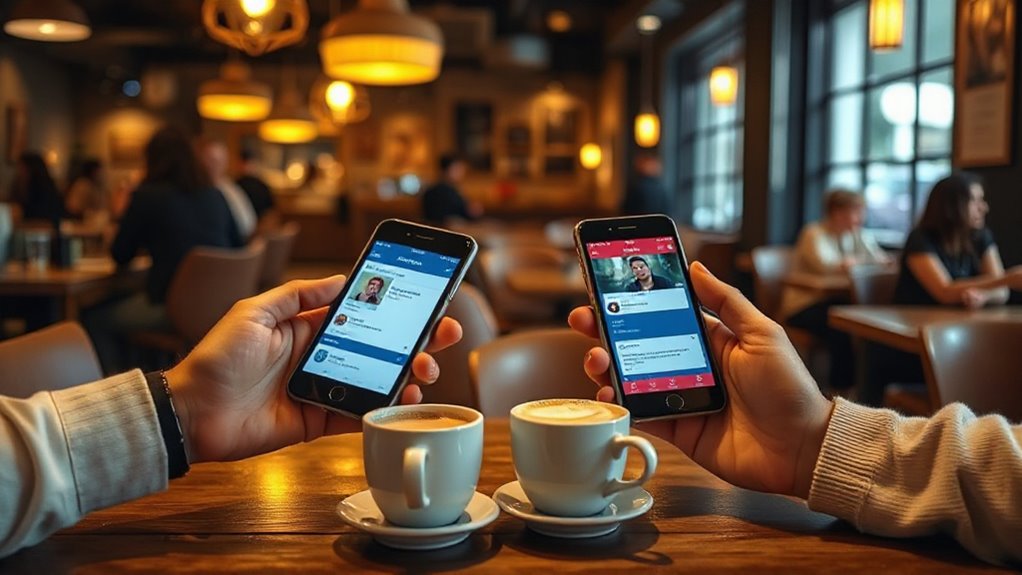
The catch? Meeting people gets harder. Over 70% of surveyed women reported difficulty meeting new people as they aged. Social circles shrink. The random encounters of college and early career jobs disappear. Less bar-hopping, fewer chance meetings. Changing routines and trying new places can counteract this trend by creating fresh opportunities for connection. Online dating platforms like Bumble and Hinge have become essential tools for expanding the dating pool beyond shrinking social circles. This is the real obstacle, not attractiveness or desirability.