



Your conversations feel shallow because loneliness is less about how many people you see and more about the gap between the connection you need and the connection you get. Surface-level contact can widen that gap and carries real loneliness health costs. Meaningful conversations and steady habits help close it.
Why Loneliness Feels Worse Even When You’re Around People
Most people assume loneliness is a numbers problem: not enough people around, not enough invitations, not enough faces in the room. It’s really a gap problem, the distance between the connection someone needs and what they’re actually getting. Research separates loneliness from isolation because the two are not the same thing.
Shallow interactions don’t close that gap, and sometimes they widen it. Sitting in a crowded room, having conversations that go nowhere, leaves you feeling the mismatch sharply. Strained or surface-level relationships can make loneliness hurt more than genuine solitude would.
Loneliness causes deaths, approximately 871,000 each year, which makes what feels like an emotional inconvenience one of the most consequential health problems of our time. In 2024, one in five Americans reported rarely or never receiving social or emotional support from others, which shows how widespread this gap has become.
Building consistent positive interactions, not just more interactions, helps close that gap and foster emotional safety.
The Real Health Risks of Weak Social Ties
For a long time, loneliness got filed under emotional problems: something therapy handles, not cardiology. The body disagrees. Research links social isolation to a 32% higher risk of premature death, a 29% higher risk of heart disease, and roughly a 50% higher dementia risk in older adults. Stroke risk climbs, depression doubles, inflammatory markers rise, and the immune system takes hits.
Major health agencies treat weak social ties as a genuine clinical risk factor, comparable to smoking or obesity. A pooled analysis of over 1.3 million individuals found that social isolation carries a hazard ratio of 1.33 for all-cause mortality. For women diagnosed with breast cancer, social isolation is associated with a 51% higher risk of breast cancer mortality.
Superficial connections aren’t just unfulfilling. They’re quietly expensive in ways most people never see coming, and lacking meaningful connections can also increase vulnerability to targeted exploitation online.
What Does Real Connection Look Like Compared to Surface Contact?
Understanding the health toll of isolation is one thing. Knowing what genuine connection looks like is another. Most people confuse familiarity with closeness, but they’re not the same.
Real connection feels like emotional safety: no masks, no performance, no dread of judgment. Conversation flows without forcing it, silence doesn’t feel weird, and vulnerability lands without ridicule. Surface contact, by contrast, stays polite, efficient, and forgettable: small talk and quick updates, nothing that lingers. Both have their place, but mistaking one for the other is where people quietly suffer.
Reciprocity matters too. Real connection runs both directions, or it’s just an audience. When the bond is genuine, even disagreement becomes an invitation to understand rather than a threat to survive, and conflict deepens connection instead of fracturing it.
When the fit is real, someone who once felt like a stranger begins to feel like they’ve always been part of your life, as though life before them is something you can barely recall. Building emotional intimacy also requires consistent physical affection and ongoing curiosity about each other’s inner worlds.
How Social Media Quietly Deepens Your Loneliness
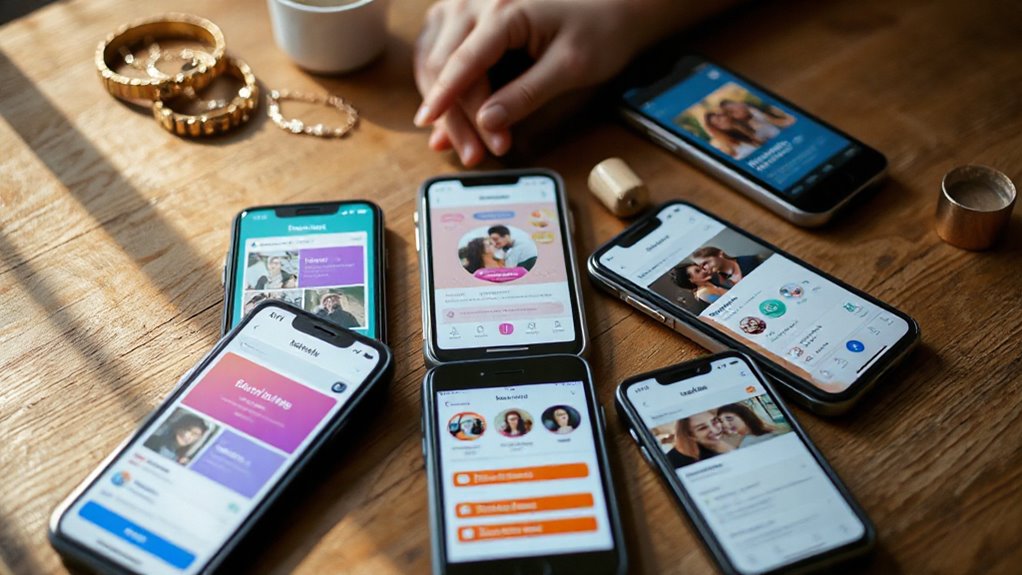
Social media was supposed to fix loneliness. Instead, research keeps finding it can make things worse. Passive scrolling, watching without engaging, is strongly linked to higher loneliness across multiple studies, including one that tracked people for nine years.
Spending more than two hours daily on social platforms more than doubles loneliness risk. Add constant upward comparison to everyone’s curated highlight reels, and the effect compounds. Even active posting doesn’t reliably help, though some platforms, like WhatsApp, fare better than others.
Digital connections are mostly weak substitutes, and the more someone scrolls, the lonelier they often become. Lonely adults face a measurably higher risk of depression over time when that isolation goes unaddressed. Shifting from passive scrolling to two-way conversation can increase a genuine sense of connection rather than leaving you feeling worse about yourself.
Concrete Habits That Build Lasting, Meaningful Connection
The fix isn’t complicated, but it does take effort. Connection doesn’t happen passively; it gets built, deliberately, one repeated interaction at a time. Adults who rarely receive social and emotional support are twice as likely to report depression compared to those who do.
Volunteering is one of the most underrated entry points. People who volunteer are less likely to be lonely and nearly 25% more likely to join a community group. Adding a pet can also lower the odds of loneliness, especially for people living alone, by providing emotional security and reducing stress, a benefit shown among pet owners.
How to Build More Meaningful Conversations and Social Connection
- Show up consistently: twice-weekly contact with friends or family keeps bonds warm.
- Aim for three to five close relationships, a solid core rather than a crowd.
- Actually listen. Ask follow-up questions and respond like what someone says matters, because it does.
- Join something with a shared purpose, like a class, a team, or a volunteer group. Shared routines move people past small talk faster than any clever opener.
- Reach out to old friends.
- Prioritize face-to-face time when possible.
Common Questions About Shallow Conversations and Loneliness
Can I be lonely even if I have plenty of people around me?
Yes. Loneliness is the gap between the connection you need and the connection you get, not a headcount. A crowded room full of conversations that go nowhere can leave you feeling the mismatch more sharply than being alone would.
Is small talk a problem?
Not on its own. Surface contact and real connection both have their place. The trouble starts when you mistake one for the other and never get past polite, forgettable updates.
How many close relationships do I need?
Aim for three to five close relationships. A solid core matters more than a crowd, and regular contact, about twice a week, keeps those bonds warm.
Starting Meaningful Conversations Today
You don’t need a bigger social circle; you need a few relationships where you can drop the performance. Pick one person this week, ask a real follow-up question, and see where it goes.