

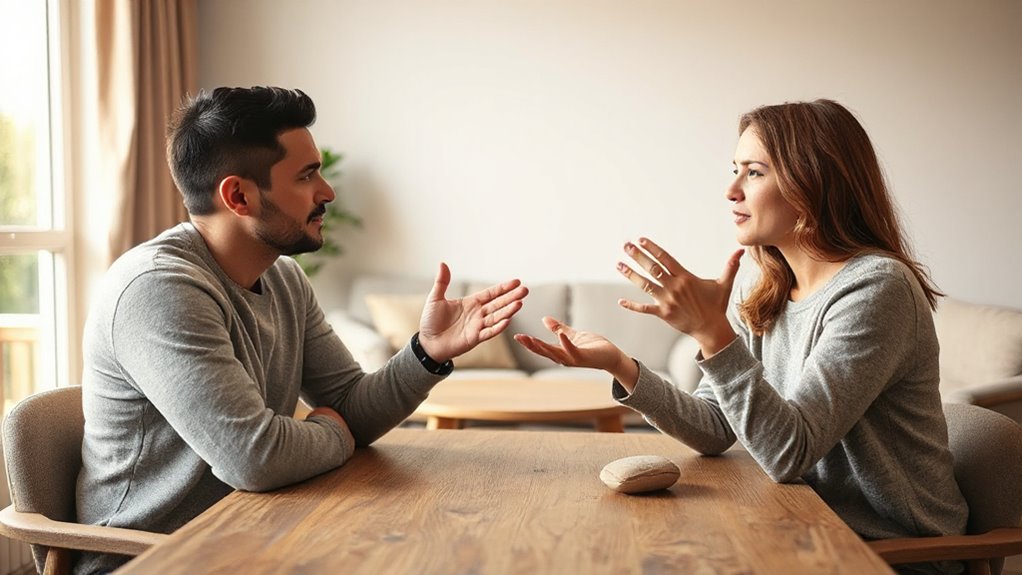
Why High-Conflict Couples Keep Hitting the Same Wall
Most couples who fight constantly are not fighting about what they think they are fighting about.
The dishes, the spending, the in-laws—those are symptoms.
The real issue is usually a deeper difference in values, personality, or needs that is not going away. Research shows that attachment patterns often shape how those unmet needs are expressed, with attachment styles influencing 42% of trust and conflict-related issues.
Gottman research suggests roughly 69% of relationship conflicts are perpetual problems, meaning they are built-in, not fixable.
High-conflict couples keep hitting the same wall because they expect resolution from something that was never designed to be resolved.
That expectation breeds frustration.
The fight does not repeat because the couple is broken.
It repeats because the difference is permanent. When perpetual problems go unaddressed, couples risk falling into conflict gridlock, where dialogue breaks down and emotional disengagement follows.
Beneath most recurring arguments is a deeper dream within conflict, where each partner’s position is actually protecting a core value, need, or life vision that has never been named out loud.
What Sets Gottman Therapy Apart From General Couples Counseling
Couples counseling is not a single thing. General counseling pulls from multiple models, depending on what the therapist prefers. Gottman Method is different—built on decades of research, not preference.
Not all couples counseling is the same. Gottman Method is built on decades of research—not a therapist’s preference.
Three things that actually separate it:
- Assessment first. No generic advice until the relationship is evaluated properly.
- Research-backed targets. Conflict patterns, repair attempts, connection behaviors—measurable, not just felt.
- Concrete skills. Couples leave with actual tools, not just processed feelings.
Most counseling is open-ended. Gottman is structured. For high-conflict couples spinning in circles, that structure is usually what finally makes the difference. Millions of couples worldwide have benefited from the Gottman Method, making it one of the most widely trusted approaches in relationship therapy. Gottman therapy is also offered in multiple formats—including weekly sessions, intensives, and weekend retreats—so couples can access the right level of support based on their circumstances and needs. The method’s focus on changing interaction patterns and building new habits helps rewire partners’ responses and reduce rumination about past conflicts by promoting present-focused skill building neural pathway change.
How Gottman Therapy Stops Conflict Before It Spirals
High-conflict couples don’t usually blow up out of nowhere—the signs are there early, and most people just miss them.
Gottman therapy trains partners to catch escalation before the yelling starts.
Once things heat up, repair attempts kick in—a joke, a touch, a simple phrase that pumps the brakes.
If flooding hits, both partners pause, 20 to 30 minutes minimum, and actually calm down instead of replaying the fight on a loop.
Then they return with a softer approach.
It’s not complicated.
It’s just a system most couples never learned and desperately needed years ago. Phrases like “please say that more gently” or “I need to calm down” give partners specific repair language to interrupt conflict before it completely derails the conversation.
Research suggests that the outcome of an argument can often be predicted within the first three minutes, making how a conversation starts one of the most important factors in whether it stays productive or spirals into damage. Note that early cues such as changes in eye contact or proximity often signal rising tension before words do.
Does Gottman Therapy Actually Work?
Does Gottman therapy actually move the needle, or is it just a well-branded way to sit in an uncomfortable chair for an hour? Research says it works. Not perfectly, not magically, but measurably.
Studies show real gains in three key areas:
- Communication – Destructive patterns dropped markedly, including demand-withdraw cycles falling over 50% in some couples.
- Satisfaction – Controlled studies reported stronger emotional connection and reduced conflict cycles.
- Durability – Follow-up data shows gains often stick, especially when therapy combines workshops with sessions.
The evidence base is still growing. But what exists? It holds up. One study found that marital adjustment and intimacy both improved significantly in couples who completed ten sessions of Gottman therapy, with those gains remaining stable at a two-month follow-up. A pilot study comparing Gottman Method Couples Therapy to treatment-as-usual found meaningful advantages for infidelity recovery, adding to the growing range of specific presenting problems the approach has been tested against. Couples who fully commit to transparency and long-term behavioral change also show higher recovery rates, especially when they pursue professional help.
The Concrete Skills Couples Build Through Gottman Therapy
Knowing that Gottman therapy produces measurable results is useful.
But knowing *what* couples actually learn makes it real.
Partners build Love Maps—basically a living mental file of who their partner is, what stresses them, what excites them.
They practice genuine appreciation instead of defaulting to criticism.
They learn to respond to small bids for connection rather than brushing them off.
When conflict hits, they use softer startups, repair attempts, and actual timeouts.
They work on compromise, not surrender.
These aren’t vague concepts.
They’re specific, trainable skills.
And skills, unlike feelings, can be practiced deliberately, even on a bad day.
Gottman research shows that the difference between healthy and struggling couples isn’t whether arguments occur—it’s how arguments are handled.
Gottman research shows that stable relationships maintain a Magic 5:1 Ratio of at least five positive interactions for every negative one.
Rebuilding trust after major breaches often requires complete transparency and sustained effort over time.