

Why Loneliness in a Relationship Is Still Real
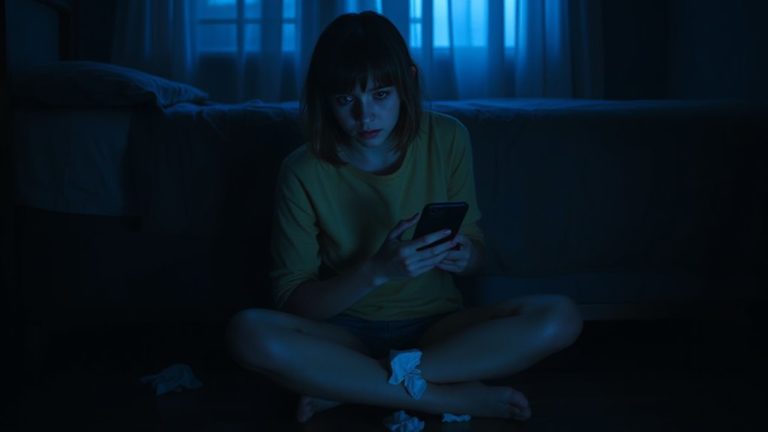
Most people assume loneliness is a solo problem—something that disappears the moment someone has a partner. It doesn’t.
Researchers define loneliness as a perceived deficiency in relationship *quality*, not just being physically alone. That distinction matters.
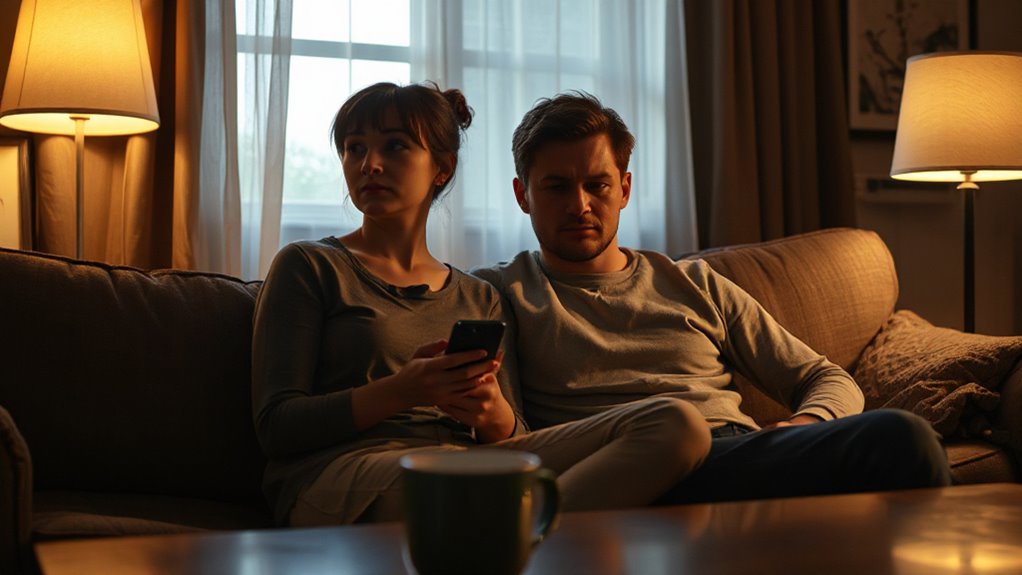
A person can share a bed, eat dinner together every night, and still feel completely invisible. Emotional safety is often missing when partners don’t feel safe to be authentic.
Studies back this up—the overlap between actually being alone and feeling lonely is only about 3%.
So, no, presence doesn’t equal connection. A relationship can be emotionally unresponsive while looking perfectly fine from the outside.
That gap is exactly where loneliness quietly takes root. In fact, research shows that people spending over 75% of their time alone are the ones most likely to report significant loneliness.
Nearly 11% of all people report feelings of loneliness at any one time, suggesting this experience is far more widespread than most would expect.
Signs You’re Lonely in Your Relationship Even If You Love Each Other
Loving someone and feeling connected to them are not the same thing, and plenty of couples confuse the two for years.
Love and connection are not the same thing — and most couples spend years never realizing the difference.
Talks stay stuck on schedules and bills.
Vulnerability disappears.
Fears, dreams, and private thoughts stop getting shared.
Emotional bids—small moments of reaching out—get missed or ignored entirely.
Affection cools outside the bedroom.
The relationship starts feeling roommate-like despite genuine love still sitting underneath.
One partner stops going to the other first with good news or bad.
Sound familiar?
Love can absolutely survive while connection quietly starves.
Research consistently links loneliness within partnerships to measurable increases in depression, lower trust, and higher conflict over time.
Studies have found that 40% of married people report feeling lonelier than their unmarried counterparts, suggesting a loving commitment offers no automatic protection against this kind of quiet isolation.
Couples may still show signs like synchronized movements or shared laughter that hint at interest even as emotional closeness fades.
What Actually Causes That Empty Feeling in a Relationship?
That empty feeling rarely shows up out of nowhere. It builds quietly, then hits hard. Several things drive it:
- Conversations that stay shallow, never reaching what actually matters
- Emotional needs going unnoticed, unmet, or outright dismissed
- Resentment stacking up from conflicts nobody ever actually resolves
- Intimacy fading into routine until two people feel like polite strangers
- Stress and burnout stealing the energy connection needs to survive
None of this is dramatic. It’s just slow erosion. Small things compound. Distance grows. And eventually, the relationship feels hollow even though nothing “big” ever happened. Technology distractions pull attention away from shared emotional spaces, quietly widening the gap between two people sitting in the same room. Underneath it all, disconnection from oneself often drives the distance felt with a partner, making it nearly impossible to communicate needs clearly or feel truly seen by someone else. Couples often begin drifting apart between years three and seven, a period when relationship timelines commonly show increasing risk of long-term disconnect.
Why Feeling Lonely With a Partner Hurts More Than Being Single
Being single and lonely makes sense—there’s no partner, so of course something feels missing.
But being lonely *with* a partner? That hits differently.
Research confirms it: poor or moderate-quality relationships can leave people feeling worse than single life ever did.
Research shows poor relationships can leave you feeling lonelier than being single ever did.
Why? Because expectations are higher.
A partner is supposed to provide closeness, validation, support.
When they don’t deliver, the gap between what you expected and what you’re getting becomes its own kind of pain.
It’s not just emptiness anymore—it’s disappointment layered on top of emptiness.
That combination is heavier, sharper, and harder to explain to yourself or anyone else. Regularly practicing simple expressions of love can help close that gap and rebuild connection.
Loneliness has been linked to a 26% increase in premature mortality, putting it in the same category of risk as smoking and obesity.
Studies show that people who experience loneliness are more than twice as likely to develop depression compared to those who do not feel lonely.
How to Actually Fix Loneliness in Your Relationship
Fixing loneliness in a relationship is possible, but it requires both people to actually do something different.
Talking about feelings without pointing fingers is step one. Couples counseling is often recommended when patterns are entrenched and help is needed to process attachment wounds.
After that, consistent action matters more than grand gestures.
- Name the loneliness out loud using “I feel” language, not accusations
- Build small daily rituals like morning check-ins or evening debriefs
- Respond to bids for connection instead of scrolling past them
- Turn vague complaints into one clear, doable request at a time
- Consider couples counseling when self-help stops moving the needle
Small shifts, done consistently, rebuild what distance quietly dismantled. Physical touch like a caress or cuddle can release oxytocin and help restore that sense of closeness. Research shows that relationship loneliness activates pain pathways in the brain in ways similar to physical injury, which is why the emptiness can feel so visceral and hard to ignore.