
Why Mirror Selfies Kill Your Match Rate
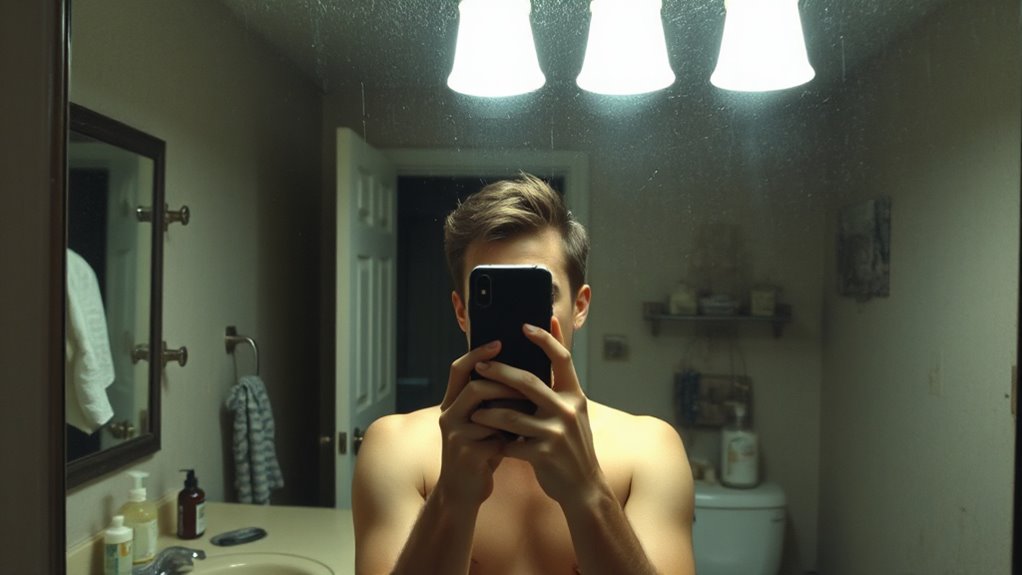
Mirror selfies tank match rates, and the reasons stack up fast. Dirty mirrors show grime and soap scum. Messy rooms expose laundry piles and unmade beds. Harsh bathroom lighting turns skin oily and shadows everything unflattering. Together, these details quietly signal one thing: low maintenance. Profile viewers notice. They register the clutter, the grime, the lazy setting, and they swipe left without thinking twice. It takes about three seconds to form that impression. Low effort in photos reads as low effort in life. For first dates, dark rinse jeans and simple, well-fitting pieces convey effort and polish without seeming overdressed.
Want better matches? Start by leaving the bathroom out of it entirely. Bathroom mirror selfies reduce right-swipes by 42% compared to eye-level photos taken in a clean, neutral setting.
Photos showing hobbies, travel, or time with friends create stronger profile contrast and outperform mirror selfies by giving viewers a richer, more engaging story to respond to.
Why Dating App Users Instantly Write Off Mirror Selfies
The bathroom setting is just one piece of the problem.
Dating app users make snap judgments—83% evaluate photos before reading a single word of a bio.
Mirror selfies trip every mental alarm at once.
Mirror selfies don’t just miss—they detonate four mental alarms before anyone reads your name.
Vanity.
Insecurity.
Low effort.
No friends.
That’s a brutal four-strike combo before anyone’s even read a name.
Bathroom mirror selfies receive 90% fewer likes, and only 13% of successful Hinge profiles include them.
The math is ugly.
People aren’t being shallow—they’re being efficient.
A mirror selfie signals someone too self-focused to ask a stranger for a better shot.
That’s not attractive.
That’s a skip.
The Inner Circle, an elite dating app with 1.3 million members, explicitly rejects anyone who submits a duck face mirror selfie during their screening process.
The damage runs deeper than aesthetics—mirror selfies actively undermine perceived trustworthiness, making matches less likely to believe someone is genuine before a conversation even starts.
Such photos also fail to show synchronized movements, which are subtle body-language cues that indicate genuine engagement and rapport.
What to Post Instead of Mirror Selfies for Better Results
Swapping out mirror selfies isn’t complicated—it just takes a little more effort than propping a phone against a bathroom counter.
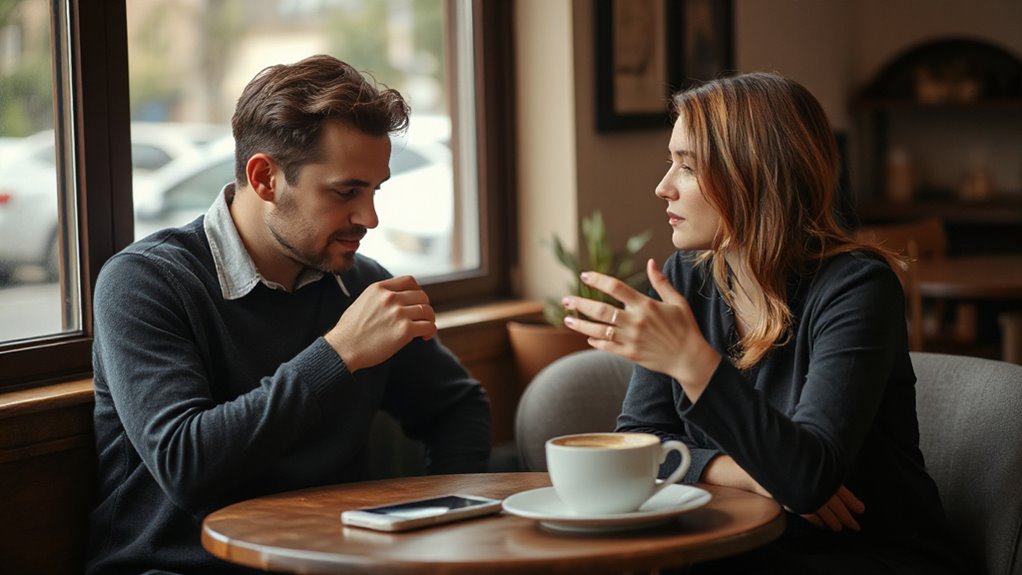
Ask someone to take a candid shot at a coffee shop or during a hike.
Post a lifestyle photo mid-activity—cooking, playing music, traveling somewhere interesting.
One purposeful selfie is fine, but keep it outdoors with a clean background and camera at shoulder height.
Skip heavy filters.
Skip grayscale.
Skip anything staged and stiff.
Photos should answer real questions about personality and daily life.
Show context, show movement, show something worth noticing.
A well-rounded gallery works best with a clear headshot, an in-action photo, a friends photo, and a candid laugh across four to six images total.
Including recent photos updated within six months helps avoid outdated photos and builds trust.