




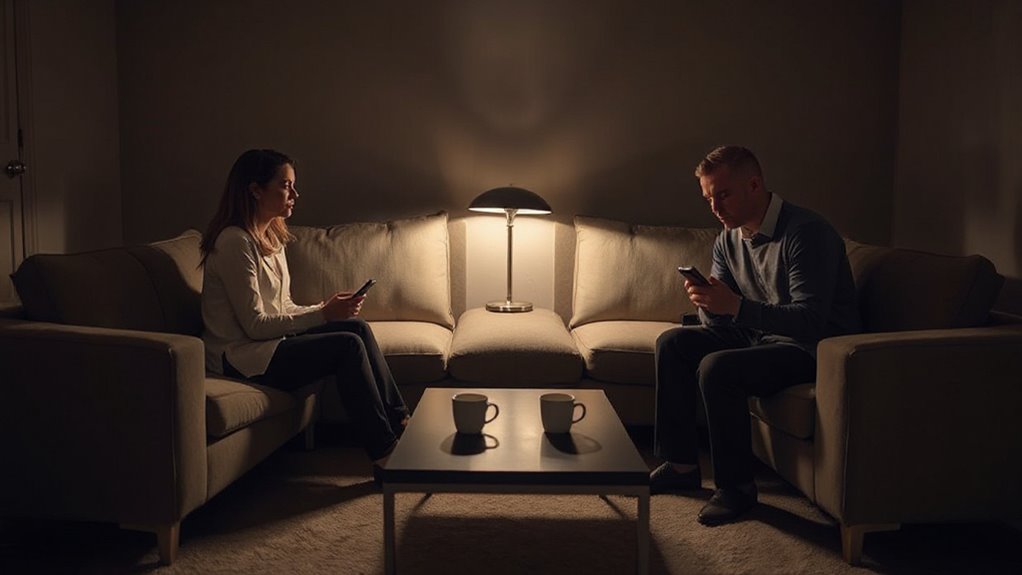




Why Does She Keep Asking You to Join Her Hobby?
When a partner keeps asking someone to join her hobby, it rarely has much to do with the hobby itself. She wants connection. She wants to feel like her life matters to the relationship. The repeated invitations are usually bids for closeness, not recruitment drives.
She may also be quietly testing whether he’s willing to meet her halfway on things she cares about. Sometimes the asks intensify because she’s worried the relationship is drifting. The hobby is just the vehicle. When she asks about his interests, it signals she wants that same curiosity returned.
The real message underneath? *Notice me. Show up. Care about what I care about.* This pattern often reflects a need for emotional safety as partners try to maintain closeness.
How Do You Say No Without Hurting Her Feelings?
Simple. He declines the activity, not her.
He can acknowledge the invitation, say something genuinely appreciative, and still hold firm. “That clearly means a lot to you, but it’s not something I want to do” is honest, clean, and kind.
No vague maybes. No overexplaining. Ambiguity breeds pressure. Clarity kills it. He’s rejecting the hobby, not the relationship. Unambiguous refusals prevent the false hope that a maybe creates, protecting both of them from a drawn-out conversation that leads nowhere.
The brain registers “no” as a threat, which is exactly why so many people default to vague, noncommittal answers instead — but that instinct triggers reactive, impulsive behavior in the other person far more than a calm, direct refusal ever would.
Regularly checking in about each other’s needs helps maintain a healthy mix of relatedness and autonomy as situations change.
What Should You Suggest Instead of Joining?
Saying no is the easy part—now comes the harder question of what to offer instead. Don’t just decline and walk away—that’s lazy. Offer a one-time trial first. One session, clear limit, no commitment. Frame it as a test run, not a green light.
If that still feels wrong, suggest something adjacent—watch her compete, help with setup, cheer from the sidelines. Can’t do any of that? Then ask questions, show genuine interest, support without joining.
Better yet, find something new you both actually want to do. Shared time matters more than shared hobbies. Pick something mutual and start there. Starting a brand-new activity together gives the relationship something that belongs entirely to both of you, with no pressure tied to either person’s existing passion. Activities like cooking or gardening work well here because they naturally divide tasks, letting each person contribute in ways that match their comfort level and interest. Consider also prioritizing public meeting choices when trying a new activity together so both partners feel safe and comfortable.
How Do You Hold Your Ground When She Keeps Pushing?
Holding the line gets harder the moment she starts pushing back, and that is exactly when most people cave.
They start explaining, defending, adding new reasons. Bad move. Every extra reason she gets is another thing to argue against. Pick one short phrase—”That’s not changing” works fine—and repeat it like a broken record. Stay calm, stay boring, stay consistent. No new details, no apologies, no debate.
If she keeps cycling through guilt trips or the classic “just this once,” say the phrase again and then drop the conversation entirely. Persistence should not get rewarded with more discussion.
Hobbies that start small can expand into something that takes precedence over the relationship, which is exactly why drawing a clear line early matters.
Using “I” statements that focus on your feelings rather than her behavior keeps the conversation grounded and harder to argue against.
Recognize that taking a timeout when emotions rise increases the chance of a productive follow-up, so pause before responding and regroup if needed take breaks.
When Does Her Pushback Signal a Respect Problem?
There is a clear line between someone who disagrees and someone who refuses to accept a decision, and knowing where that line sits matters.
Disagreement is normal. Refusal to accept the answer is different. Watch for guilt-tripping, sulking, silence as punishment, or the same request circling back after a clear no. Those are not enthusiasm. That is pressure.
Disagreement is healthy. Repeated pressure after a clear no is not disagreement. It is a refusal to respect your answer.
When the emotional cost of saying no keeps climbing, the issue stops being about the hobby. It becomes about who actually gets to make decisions in the relationship. Persistent patterns of pressure can be an early behavioral indicator of control that often escalates if unaddressed.
Escalation from asking to insisting to punishing is a respect problem, full stop. Healthy relationships expand your life rather than narrow it, and a partner whose pushback steadily shrinks your social world and independence is showing something more serious than disappointment.
Controlling partners frequently use guilt, manipulation, and the silent treatment as tools to maintain power rather than to resolve disagreement. Recognizing these as tactics, not emotions can help you see the dynamic for what it is rather than what it is framed as.