



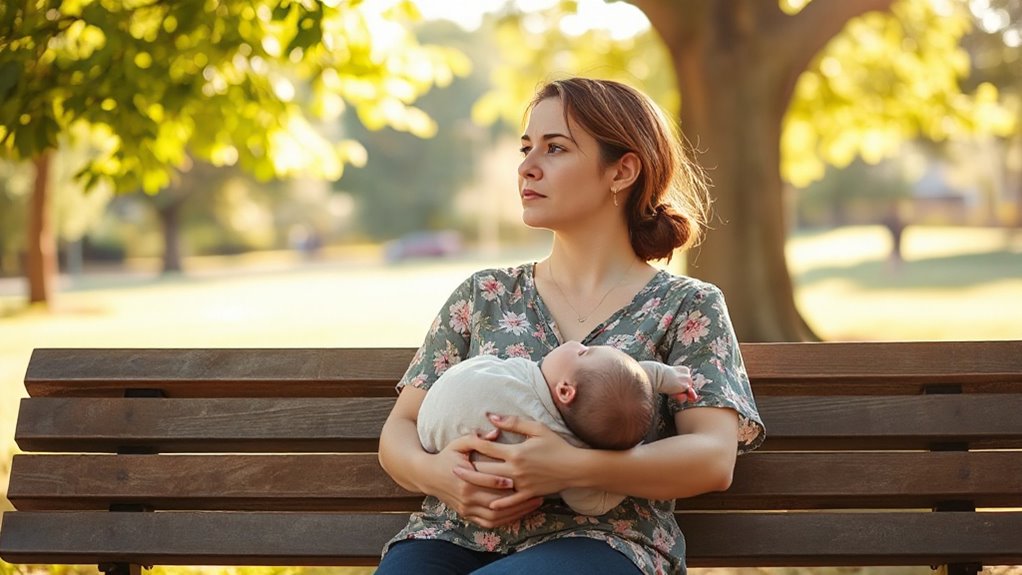
Why So Many Women Fear Marriage But Still Want Kids?
Marriage terrifies a lot of women right now, and that fear is not random or irrational—it has receipts. Housing costs are brutal. Childcare is expensive. Weddings are a whole financial event. And research consistently shows that married women absorb more housework, emotional labor, and childcare than their partners, even when both work full-time.
Add traumatic family-of-origin experiences, social media flooding feeds with divorce horror stories, and cultural messaging that frames marriage as a freedom trap—and the fear makes complete sense. The twist? Many of these same women still want children. They want the family. Just not the institutional risk. Research suggests that negative online discourse actively discourages women’s desire to have children by shaping subjective intentions through repeated exposure to fear-based narratives about marriage and family life.
Only about a third of women believe marriage makes a woman happier, reflecting just how deeply cultural skepticism about the institution has taken hold across generations. Studies also show that communication breakdown and declining intimacy are common drivers of couples growing apart, which fuels many women’s reluctance to commit.
What Research Shows About Kids Raised Outside of Marriage
For women who want children but not a husband, the research on this topic is not exactly a comfort read. Studies consistently show children in stable, married households average better outcomes across health, behavior, and development. The key word is *stable*. Marriage itself isn’t magic—stability, cooperation, and money matter enormously. Many unmarried parents start out together, cohabiting or dating at birth, but separation rates climb sharply within five years. Frequent disruptions in family structure are linked to worse outcomes for children over time. Kids caught in repeated upheavals face real risks. None of this means single motherhood guarantees poor outcomes. Wide variation exists. But pretending the data says something rosier would be dishonest. In fact, births outside marriage have risen dramatically across industrialized countries, climbing from under 10% in the 1960s to over 50% in some nations by 2020. Child poverty tells a particularly stark story. Poverty rates in female-headed households run roughly five times higher than in married-couple families, underscoring how much the economic dimension of two-parent households shapes children’s daily lives and long-term prospects.
Real Ways to Have Children Without Getting Married
The data isn’t pretty, but it also isn’t a stop sign. Women who want children without marriage have real, working options.
Donor insemination with medical support is often the first step—less invasive, less expensive than IVF, and clinically supervised for better results. IVF with donor sperm costs more but suits specific medical situations. Surrogacy exists too, though the price tag is brutal. Adoption—especially foster-to-adopt—can be low-cost but requires patience and paperwork. Co-parenting with a trusted, nonromantic partner is another route entirely.
None of these are perfect. All of them are legitimate. The path exists. Pick one and research it seriously. 32% of U.S. children now live with an unmarried parent, meaning the support structures, legal frameworks, and community resources around these choices have grown considerably alongside that number. In fact, Scandinavian countries have gone so far as to grant cohabiting couples with children many of the same legal rights as married couples, demonstrating that formal marriage is not the only framework capable of protecting families. Long-distance arrangements can also support solo parenting plans when relocation isn’t feasible, and many couples report stronger connections despite physical separation.
Parental Rights, Custody, and Legal Protections When You’re Not Married
Clarity matters here, because legal confusion around unmarried parenthood can cost a woman real rights over her own child. Most states automatically grant unmarried mothers sole custody at birth. That’s the good news. The complicated part kicks in fast.
Three things every unmarried mother should understand:
- Paternity matters legally. Fathers gain custody rights only after establishing paternity formally—not just appearing on a birth certificate.
- Best-interest standards apply equally once parentage is recognized, meaning courts treat both parents the same.
- Informal agreements aren’t enforceable. Get court approval or it means nothing.
Get a family law attorney. Seriously. A paternity order alone does not automatically change an unmarried mother’s custody status—the other parent must separately request visitation or a custody modification through the court.
Without formal custody orders in place, an unmarried mother can control access and even relocate with the child because there is no court order restricting her from doing so. It’s important to recognize early red flags in a partner’s behavior that could complicate co-parenting or custody if the relationship becomes unsafe or unstable.
How to Choose Between Co-Parenting, Single Parenting, and Marriage
Choosing between marriage, co-parenting, and single parenting isn’t a personality quiz—it’s a decision with real financial, legal, and emotional consequences that follow a woman for decades.
Marriage offers financial stability and simpler logistics, but requires a willing, compatible partner. Consistent behavior over months is key to making marriage a secure choice.
Co-parenting splits the load without the romance, but only works when both adults stay communicative and child-focused.
Single parenting means full control and zero compromise—but also full responsibility, higher poverty risk, and no backup.
Children thrive on consistency and low conflict, not a specific family structure. Both parents engaged in a child’s life across two separate homes is linked to better outcomes, according to a 2021 report.
In the United States, 19 million children under the age of 18 currently live in single-parent households, reflecting just how common this path has become.