

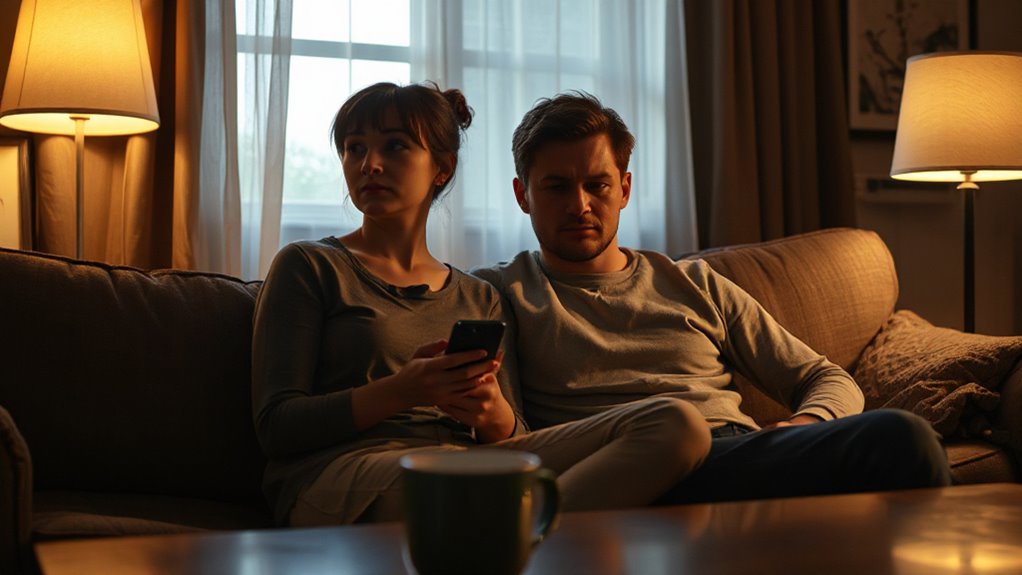


Why First Dates Feel Forced Before They Even Start
Stepping onto a first date already feels like walking into a job interview nobody scheduled. The pressure of potential outcomes stiffens everything, turning natural conversation into performance. Anxiety crowds out flirting, genuine assessment, even basic openness. People sweat, fumble, and spiral—physically betraying nerves before appetizers arrive. Using a quick, profile-linked opener that shows genuine interest can ease that tension before you even meet.
Here’s the fix: say it out loud. Acknowledging nervousness actually defuses it and builds surprising connection fast. Also worth remembering—the person sitting across the table is just as rattled internally, regardless of how composed they appear. Nobody walks in relaxed. Knowing that levels the playing field before anyone speaks.
First dates are testing grounds for a spark, not previews of a guaranteed relationship, which means the only real goal is meeting someone new and seeing if anything of interest exists. If gut instinct and early messaging already signal a mismatch, trust that impression—poor rapport over text rarely transforms into something different once two people are finally sitting across from each other.
Why Forcing Shared Interests Feels Fake on a First Date
Pretending to love hiking when the last outdoor adventure involved a parking lot is a losing strategy, and most people can feel it. Faking shared interests creates a temporary comfort that collapses fast. The fitness fanatic eventually notices the couch potato. The travel addict discovers the homebody. Research confirms that divergent interests increase stress and tank satisfaction, especially when empathy is involved. Performing compatibility is exhausting and unsustainable. Concealing true preferences is simply not sustainable long-term. Here’s the actual fix: authenticity beats mimicry every time. Genuine curiosity about a partner’s passions matters more than pretending to share them. Real connection doesn’t need a matching hobby list. Shared interests may feel essential at first, but passions shift over time, meaning today’s common ground can quietly erode tomorrow’s compatibility. Noticing differences in tone, questions, and body language can help partners distinguish genuine warmth from mere politeness, especially when one is unsure if behavior is friendly or flirtatious behavioral patterns.
How First Date Proximity Mistakes Kill Attraction Fast
Faking shared interests buys maybe twenty minutes of false comfort before the cracks show. Then proximity mistakes finish the job. Leaning in too early reads as desperate, not interested.
Standing too close on arrival triggers her threat response before you’ve said ten words. Wrong seating compounds everything—sitting directly opposite creates staring pressure, side-by-side kills eye contact, corner booths feel like traps.
Hovering during the walk to the table? Seventy percent of women physically pull back. Small adjustments matter enormously. Keep two to three feet on approach. Choose angled seating. Let breathing room build the tension naturally.
The moment she reciprocates interest is precisely when altered behavior tends to surface, causing you to abandon the calm, grounded presence that attracted her in the first place. Subtle cues like physical proximity and open posture are reliable early indicators of attraction.
The Eye Contact and Touch Mistakes That Create Pressure, Not Chemistry
Proximity mistakes set the trap, but eye contact and touch detonate it. Avoid eye contact entirely, and the date reads it as a hard rejection—non-verbal for *get away*. No sustained gaze means no real connection gets assessed. But overcorrect into a stare-fest? Now the date feels hunted, not flattered. Women especially turn intense gazing into a monologue invitation. Nobody wants that.
The fix is intermittent eye contact—soft, occasional, genuine. Breaking gaze downward signals attraction without pressure. As for touch, skip it early. Chemistry builds without forced physical advances. Eye contact alone does the heavy lifting first. Prolonged avoidance of eye contact signals limited emotional availability, making any chance of a meaningful second date nearly impossible. Mutual gaze also often triggers shared laughter and synchronized mirroring that deepen connection.
The First Date Fix: Reset These Attraction Signals Before the Check Arrives
Eye contact and touch matter, but neither saves a date already bleeding out from bad signals. The fix isn’t magic—it’s a reset before the night ends.
- Text first within 24 hours. Rapid response signals real interest, not desperation.
- Propose a second date before leaving. Calendar entries beat vague “we should do this again” exits.
- Show up as yourself. Playfulness, curiosity, genuine laughter—these sustain attraction longer than performance.
Bad first impressions aren’t always fatal. Repeated exposure builds feelings that anxiety blocked. Reset the signals. Don’t wait for chemistry to appear uninvited. Ask questions that build on what they shared—genuine curiosity signals that the conversation mattered beyond the meal.
Leading with warmth and affection rather than guardedness creates the polarity that sustains attraction both people are silently hoping to feel. Vulnerability shown early—through a small honest reaction or a genuine laugh at yourself—invites the other person to lower their own defenses. Also, focusing on shared hobbies and interests can quickly establish common ground and increase the chance of another date, since shared interests often drive successful conversations.