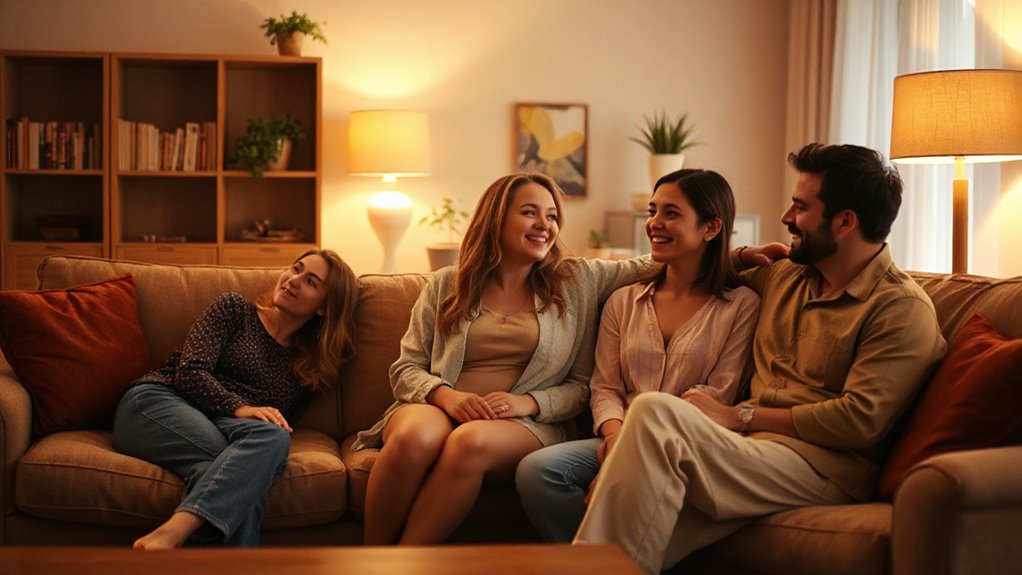



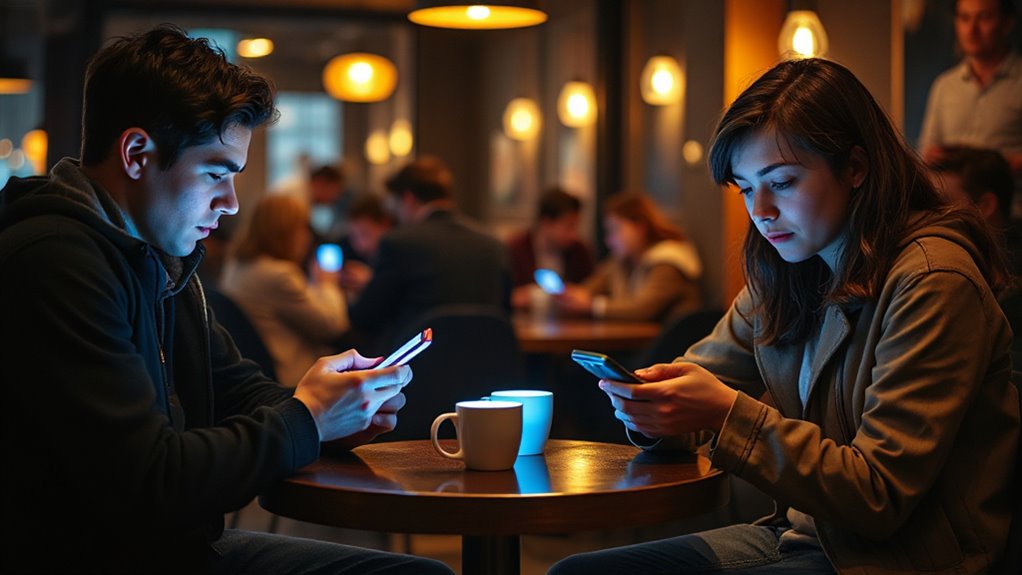
Why We’re More Connected Yet Lonelier Than Ever
Scrolling through a feed full of smiling faces and perfect moments should make people feel connected, but it does the opposite. Over 60% of U.S. adults report feeling lonely regularly, despite having hundreds of online “friends.” The problem? Digital connection lacks what actually bonds people—eye contact, physical presence, real vulnerability. Liking a Facebook post doesn’t compare to grabbing coffee and reading someone’s actual facial expressions.
Since 2003, in-person time with friends dropped by 20 hours monthly. People replaced spontaneous hangouts with texts, convenience with depth. The result? A generation that’s constantly reachable yet profoundly alone, drowning in shallow interactions. Be cautious online and protect your privacy by keeping personal details private to avoid compounding isolation with real-world risks.
How Time on Social Media Directly Increases Loneliness
The numbers tell a story most people don’t want to hear.
Spend more than three hours daily scrolling, and loneliness doesn’t just knock—it moves in.
Three hours of scrolling daily doesn’t just invite loneliness—it hands it the keys and a permanent lease.
A nine-year study tracking nearly 7,000 adults found both passive browsing and active posting increased loneliness over time.
The kicker? It works both ways.
Lonely people turn to social media for relief, but the platforms intensify isolation instead of fixing it.
Even adjusting for age, job status, and relationships, the pattern holds.
More screen time equals more loneliness.
The digital cure becomes the disease.
Long stretches online can undermine real-world intimacy, a problem reflected in studies showing reduced physical connection among digitally-engaged couples lack of physical intimacy, which is a common challenge in modern relationships.
What Makes an Online Connection Actually Reduce Loneliness?
Not every online interaction chips away at loneliness—most actually feed it. The difference? Quality over quantity. Meaningful engagement, like voice calls or authentic back-and-forth exchanges, actually reduces isolation. Deep conversations with people who share your values beat hollow scrolling through hundreds of posts. Intentional connection—asking real questions, sharing vulnerabilities—works. Passive consumption doesn’t.
But here’s the catch: online tools work best as supplements, not replacements. A five-minute walk with a neighbor resets your nervous system better than an hour messaging strangers. Digital connection helps accessibility, geography, and busy schedules. Just don’t mistake it for the real thing. Emotional intimacy, however, is built through consistent vulnerability and physical affection, which digital substitutes cannot fully replicate.
Why Fake Profiles and Curated Lives Make Loneliness Worse
Behind every flawless vacation photo and impossibly perfect life update sits someone carefully editing out the mess. These curated personas aren’t just harmless fantasy—they’re loneliness amplifiers that warp how we see ourselves and others.
How fake profiles and filtered lives worsen isolation:
- Unreachable standards crush self-worth — airbrushed images make posting unfiltered feel “brave,” eroding basic self-acceptance
- Surface connections replace real bonds — chasing online approval creates isolation while pretending to socialize
- Catfishing breeds betrayal — loneliness drives fake personas, then victims suffer anxiety and trust issues
- Maintaining lies exhausts you — performing a perfect life perpetuates the isolation cycle you’re trying to escape
Flirtation often includes signals like intentional proximity and deeper personal questions that differ from neutral friendliness, which helps explain why online interactions can feel ambiguous and lead to misunderstandings about intent intentional proximity.
The 20 Hours Per Month Social Media Stole From Real Friendships
Every day, four to five hours vanish into the scroll—time that used to belong to actual conversations, spontaneous hangouts, and the kind of face-to-face moments that build real friendship.
Hours dissolve into endless scrolling while the unrepeatable moments that forge genuine human bonds slip away forever.
That’s roughly twenty hours per month stolen from people who actually matter. Social media doesn’t supplement relationships; it replaces them.
Screen time directly detracts from in-person connection, the only kind that builds trust and empathy. Virtual interactions skip the oxytocin boost and social reasoning that come from real faces and voices.
The brain can only handle about five deep relationships anyway. Scrolling fills that quota with strangers and acquaintances instead.
Balancing online habits with intentional offline time—like setting clear boundaries around solo and shared activities—helps preserve personal relationships and prevent scrolling from hollowing out real connections.
Which Platforms Help With Loneliness (And Which Make It Worse)?
When it comes to loneliness, not all platforms are created equal. Some apps actually help. Others make things worse by design.
The ones that might actually work:
- AI companions like Replika offer judgment-free conversation 24/7, adapting to your personality when human connection feels too hard
- Peer support platforms such as HearMe and 7 Cups connect you with real listeners anonymously, no scheduling required
- Life-stage communities like Peanut unite 5 million women through motherhood and menopause with genuine shared experience
- Volunteering apps including Crisis Text Line transform scrolling into purpose, letting you help others while helping yourself
Note that many AI platforms collect extensive personal data for training and personalization, so it’s important to understand privacy practices before signing up — especially how they store interaction histories for future model training.
How to Build Real Friendships Without Deleting Your Apps
The good news: nobody needs to throw their phone in a lake to have real friends.
Start by treating outreach like a task—add it to weekly to-do lists instead of scrolling mindlessly. Text someone, send an email, or actually call.
Then take it offline: grab coffee on a porch, meet at the park, or attend a Meetup event. Even handwritten letters beat memes for building bonds.
Use apps to find interest groups, then shift online chat into real-life hangouts. Keep initiating contact, compliment strangers, and prioritize people who actually matter. Friendships need maintenance, not just notifications.
Research shows that people with at least one close relationship experience higher life satisfaction, so prioritize meaningful connections.