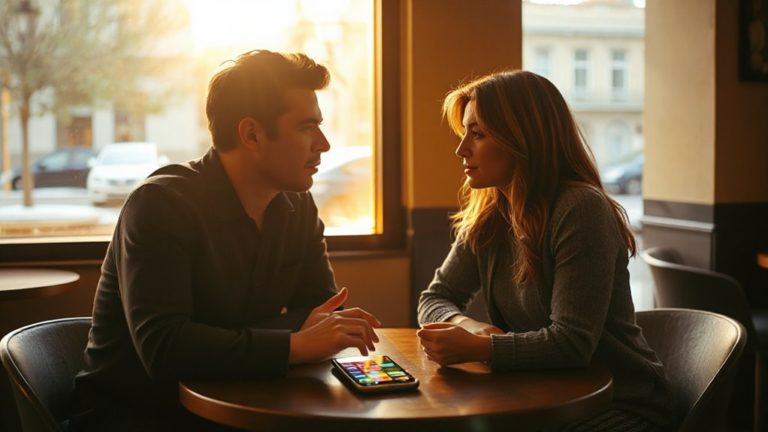
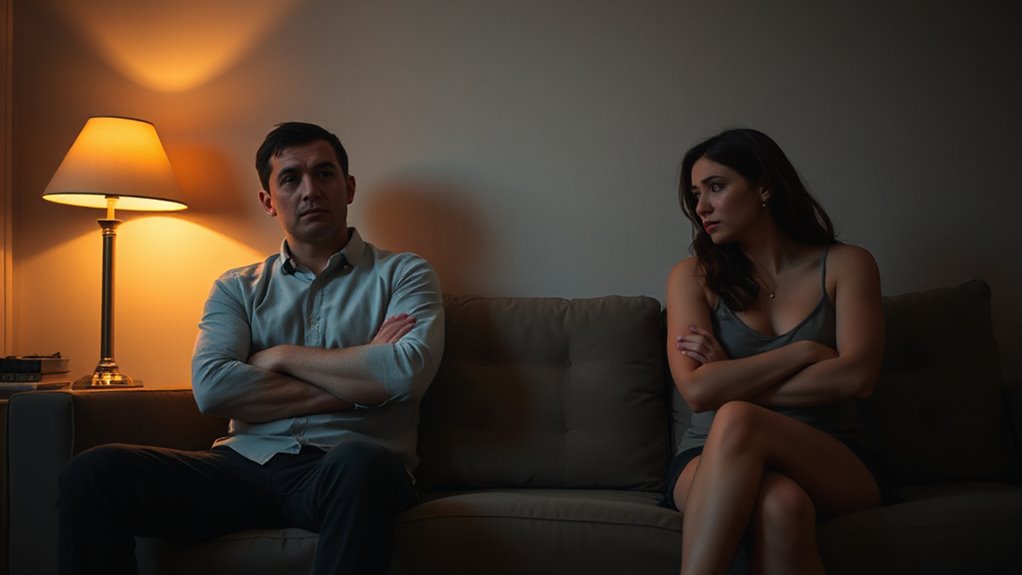


Why Dating Apps Wreck Your Mental Health (What the Research Shows)
Despite what the glossy app interfaces promise, the research paints a darker picture: dating apps aren’t just frustrating—they’re quietly demolishing mental health for millions of users.
The glossy interfaces make promises the data can’t keep—while mental health quietly crumbles beneath the surface.
Swipe-based dating app users face nearly twice the odds of significant depression compared to non-users. Anxiety? Even worse—users show 2.5 times greater odds of moderate-to-severe psychological distress.
The damage intensifies with frequency and duration of use. Body image takes a beating too, with most studies confirming apps worsen self-esteem.
Perhaps most alarming: 71% of dating app users show at least mild depression signs. The pattern is undeniable.
Use these platforms cautiously and prioritize safety by following proven online dating safety practices to protect both your mental health and personal information.
Should You Delete Dating Apps or Just Use Them Differently?
With 78% of users reporting exhaustion and mental health statistics piling up like unread matches, the natural question emerges: should everyone just delete these digital hellscapes and return to meeting people organically?
Not necessarily. Deletion works for some, but the smarter move is changing how you use them. Set strict time limits—checking apps once daily instead of compulsively. Update profiles during high-activity windows like Dating Sunday, then step back. Use voice notes to accelerate genuine connections. Remember that 67% male user base means women face message overload while men shout into voids. Adjust expectations accordingly. Apps aren’t inherently toxic; your relationship with them might be. Recent studies also show that one in ten couples now meet through online dating, signaling its growing role in modern relationships.
Why You Check Tinder When You’re Lonely (And What to Do Instead)
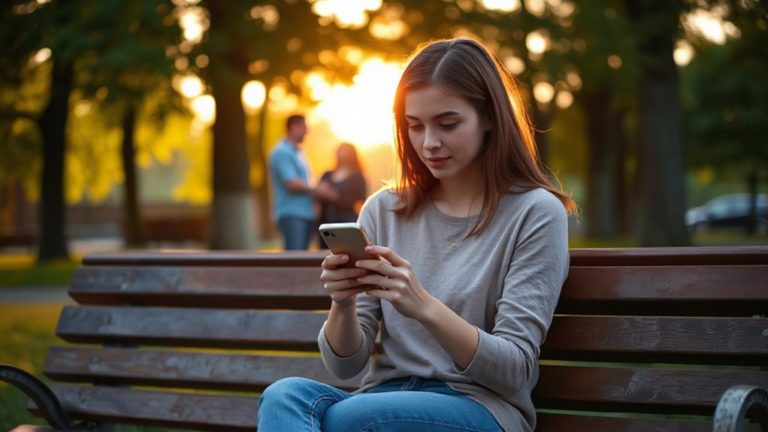
Inevitably, the pattern reveals itself: another night alone scrolling through faces that blur together, another desperate reach for that dopamine hit disguised as romance.
Research shows 50% of Tinder users aren’t even interested in meeting offline—they’re just managing feelings. The problem? App usage correlates with higher loneliness (r = 0.22) and lower self-esteem (r = -0.24), creating a vicious cycle.
Each swipe promises validation but delivers nothing substantial. Instead of opening the app when loneliness strikes, call a friend, go outside, or simply sit with the discomfort.
Real connection requires actual human contact, not algorithmic matchmaking. Studies show that regular, planned contact and consistent communication can significantly strengthen relationships even across distance.
The 3 Boundaries That Prevent Dating App Burnout
The difference between using dating apps and letting them use you comes down to three non-negotiable boundaries: time limits, quality focus, and intentionality.
Here’s what actually works:
- Cap daily swiping at 30 minutes to dodge emotional exhaustion
- Pick one or two apps instead of spreading yourself thin across every platform
- Stop browsing after connecting with 3-5 people—your brain can’t juggle more anyway
- Set your intention before opening the app, not after you’ve already burned an hour
These aren’t suggestions. They’re the firewall between purposeful dating and scrolling yourself into oblivion. Research shows profiles with bios get more engagement and can reduce aimless swiping.
Why Meeting People Offline Beats Any Dating App
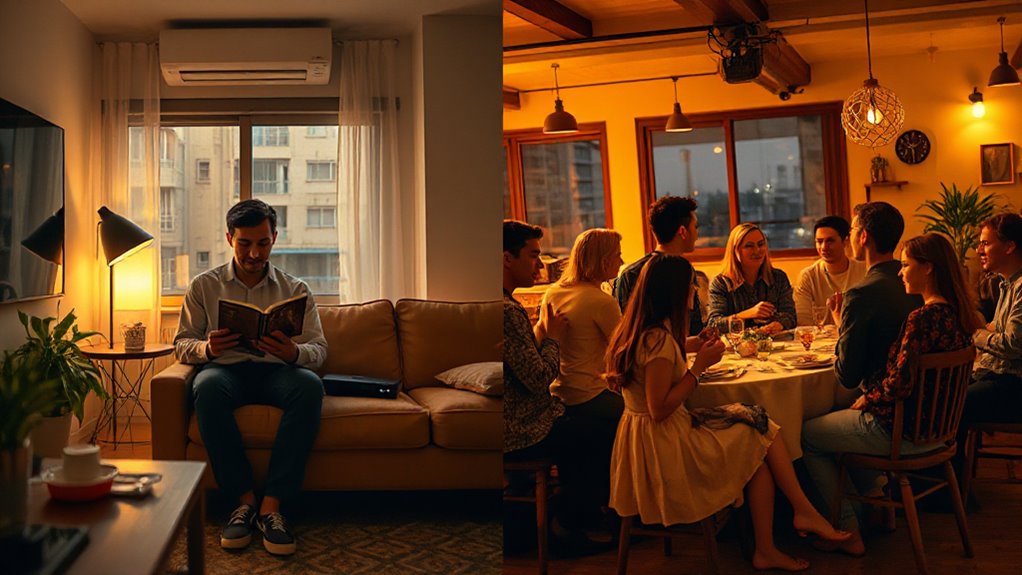
Despite the endless scrolling and carefully curated profiles, dating apps consistently underperform compared to meeting someone the old-fashioned way. The data doesn’t lie: only 5% of Americans in serious relationships met online, while 88% of recent couples connected offline.
Breakup rates run higher for online meetings, and satisfaction, intimacy, and commitment levels all favor face-to-face encounters. Even after researchers control for bias, offline wins.
Sure, 59% now view online dating positively, but perception doesn’t trump results. Real connections happen in real spaces, where chemistry isn’t filtered through algorithms and strategic photo angles. Long-distance dynamics also differ substantially, with reunification outcomes showing one-third of couples break up within three months after reuniting.