


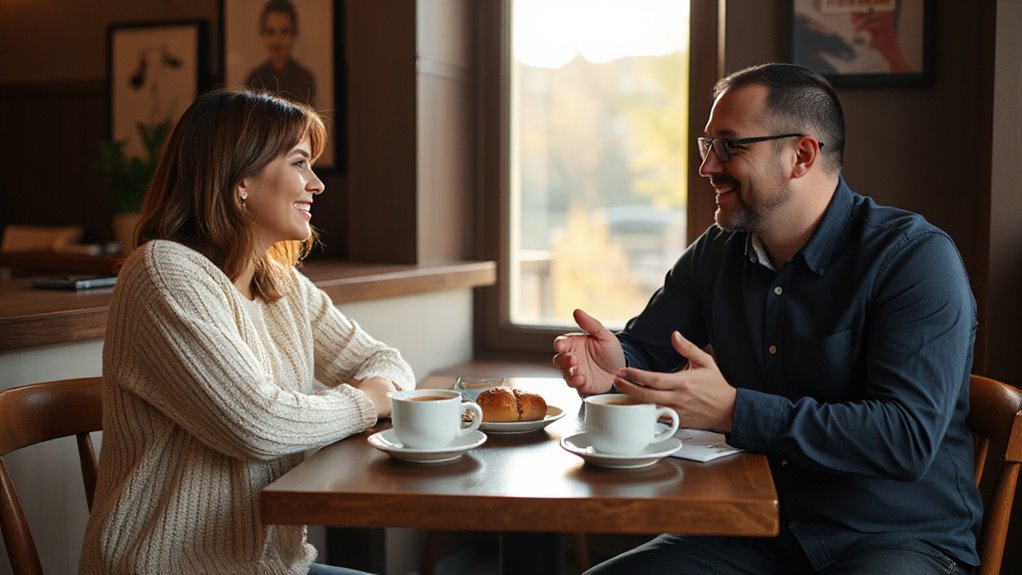






In the endless debate about who talks more, women or men, the real answer is: it depends. Context matters more than chromosomes. Women aged 24 to 65 speak about 1,073 more words daily than men—13,349 versus 11,950. But strip away the averages and you’ll find something messier: individual differences dwarf gender differences every time.
The old stereotype claims women use 20,000 words daily while men scrape by on 7,000. Complete fiction. A 2007 study found both sexes hovered around 16,000 words, though more recent data shows that number dropped to 13,000. The gap exists, sure, but it’s nowhere near what pop psychology wants you to believe.
Here’s where it gets interesting: age flips the script. Young women speak about 3,275 more words than their male peers during early-middle adulthood. Teenage girls? Only 513 words ahead of boys. But after 65, men actually out-talk women by 788 words. The pattern shifts across lifespans like a pendulum.
Context rewrites the rules entirely. Men dominate faculty meetings and public forums, speaking longer and more frequently. Women’s longest comments in meetings often fall shorter than men’s briefest remarks. Yet at home, women carry more conversational weight, especially around education and relationship maintenance. Lunch breaks at work? Dead even—no detectable difference in talkativeness.
Communication style diverges too. Women pepper speech with fillers like “sort of” and tag questions like “don’t you think?” Men send messages twice as long in online professional settings. Women engage longer in collaborative student conversations. Different tools, different contexts.
Stress amplifies these patterns. Women lean into verbal support-seeking when anxious—the “tend-and-befriend” response. Excluding data from the 9/11 period actually shifts results toward women talking more, suggesting stress moderates gender gaps in predictable ways.
The takeaway? Stop obsessing over word counts. Watch what context reveals. Women aren’t chatterboxes, and men aren’t silent stoics. Both adapt their communication to circumstances, relationships, and emotional needs. If you want to understand someone, count less and listen better. Therapy and self-awareness can also improve communication and relationship readiness by helping people manage fear and recognize their own triggers emotional readiness.