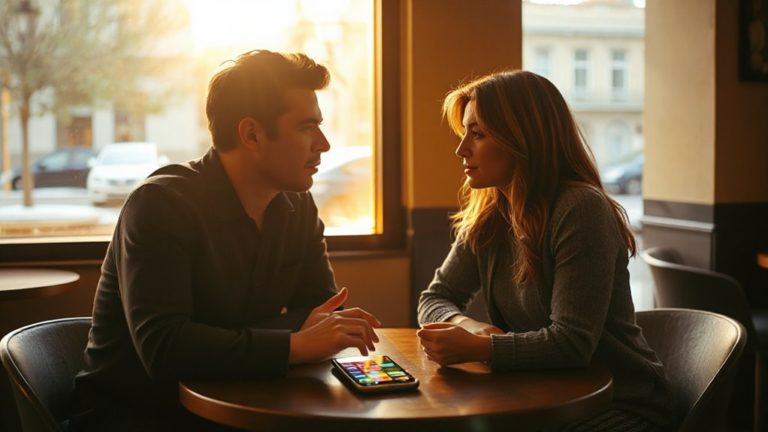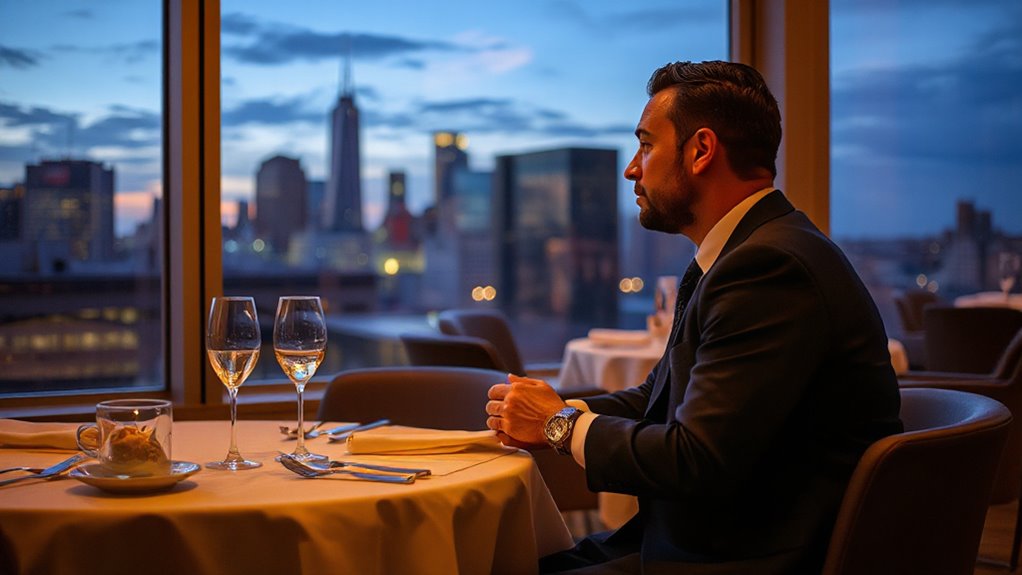

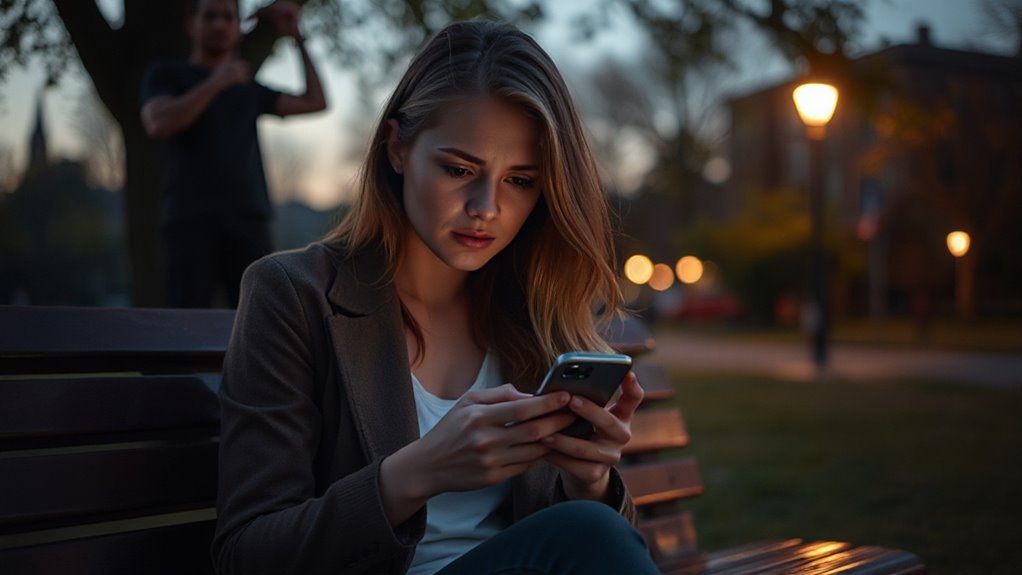
The sting of rejection hits differently when you’re browsing through dating apps at midnight, realizing that someone you thought had potential just stopped responding—or worse, that you were never really in their consideration set to begin with. That moment cuts deep, yet millions keep swiping, hoping the next profile might be different. The data reveals why this cycle feels so brutal and why hope persists despite mounting evidence.
The midnight swipe reveals a harsh truth: you were never really in their consideration set to begin with.
Research shows acceptance rates plummet by 27% as people scroll from their first to last option. After viewing roughly 31 photos for women and 34 for men, rejection steepens dramatically. Each profile reinforces a rejection mindset, making users progressively harsher critics. Satisfaction with pictures drops consistently over time, cultivating pessimism about personal prospects. The paradox? More options create more dissatisfaction, not less.
Men accept 25% more potential partners than women on average, but both genders fall victim to the same trap. Women experience an even stronger rejection mindset due to baseline selectivity, watching their initial matching advantage dissolve as the process drags on. Sequence lowers acceptance by 29% overall, regardless of gender. Everyone gradually closes off from potential mates while surrounded by endless possibilities.
When rejection arrives, ghosting dominates—the most common method even after considerable message exchanges. Unmatching and explained rejections occur less frequently and equally. Study participants confirmed explicit rejections with explanations feel most painful, despite being rare. Five distinct categories of rejection reasons emerged, revealing discrepancies between what rejecters say and what rejectees perceive.
The broader picture looks grimmer. Among men aged 18-25, 45% have never asked a woman out, while 75% of women in that age group want men to approach them. The top 5-10% of men likely perform most approaches, leaving a massive initiation gap fueled by risk aversion. Hidden suffering complicates relationship repair across the board.
Yet people persist. They keep swiping, keep hoping, keep believing the next match might work. That hope sustains the cycle, even when the data suggests the rejection mindset extends beyond dating into other life areas, spreading emotional pain that reverberates widely. Waiting 1-2 weeks before suggesting an in-person meet can help cut through this cycle by moving conversations toward real connection and reducing endless scrolling timing and progression.