
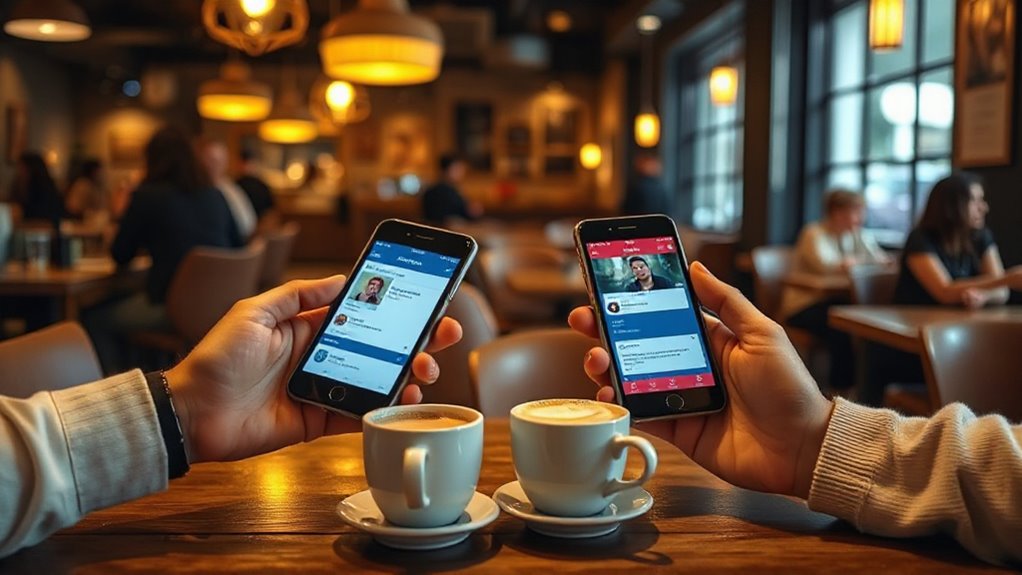


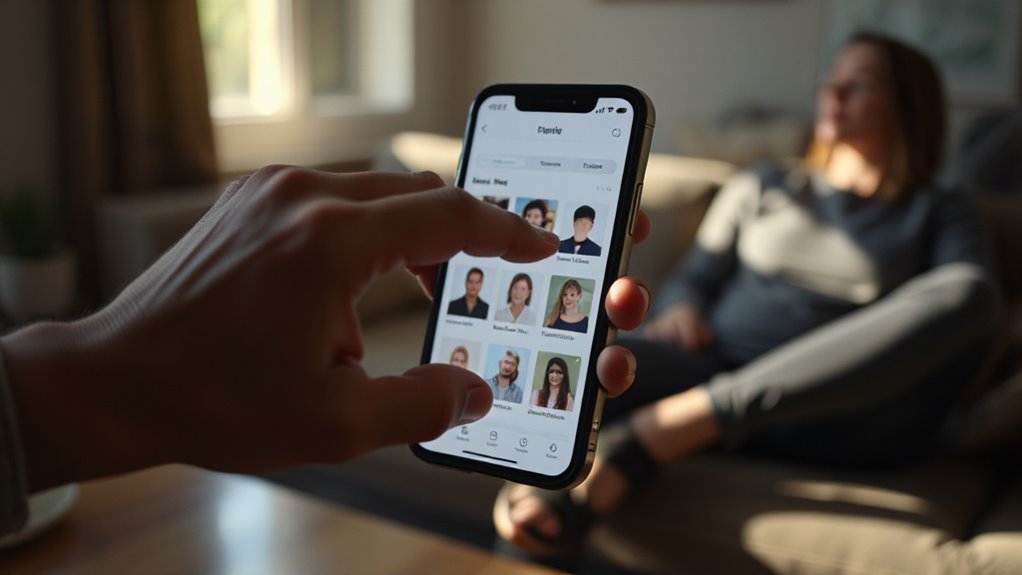

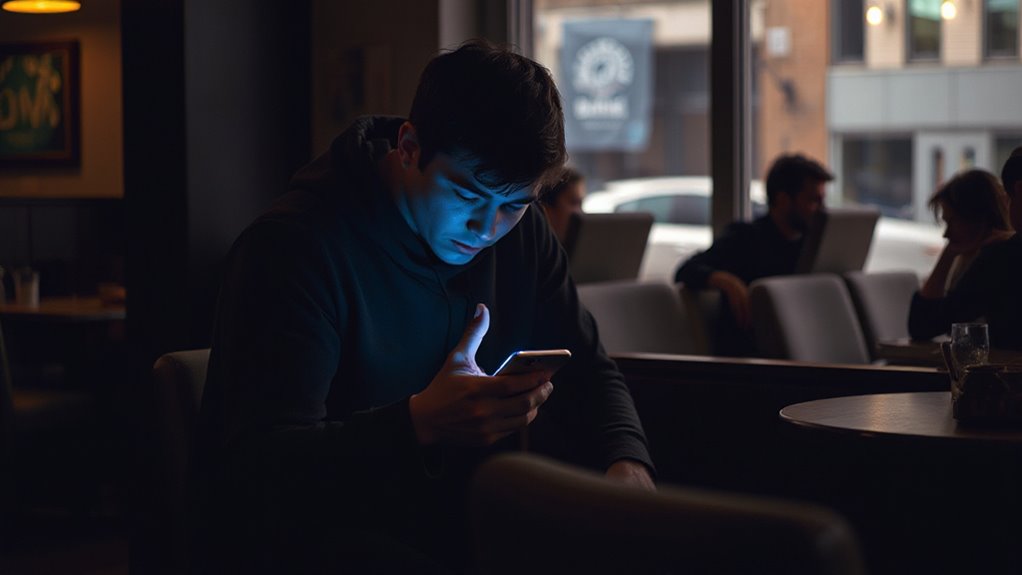
In a digital landscape where swiping right has become the default path to romance, introverts are quietly drowning. Dating apps aren’t built for people who prefer depth over speed, reflection over instant gratification. The platforms reward extroversion and immediacy, leaving introverts exhausted before they even meet anyone in person.
The numbers tell a brutal story. Seventy-eight percent of users experience dating app burnout, with long-term users hitting 80% emotional fatigue. For introverts, this exhaustion hits harder. Endless swiping drains people who need time to reflect. Superficial chats frustrate those craving meaningful interaction. The whole system punishes anyone who doesn’t thrive on constant, shallow engagement.
Here’s the twist: introverts do use dating apps at similar rates as extroverts, but their behaviors mirror offline patterns. They make fewer connections, take longer to engage, and often use chat features to practice social skills without actual dating intent. Anonymity helps reduce anxiety, giving them space to test humor and flirting in low-stakes conversations. But apps don’t honor their pace, and that’s the problem.
Women report 54% overwhelm from too many messages, while men cite 64% insecurity from too few. Introverts get caught in both traps, overwhelmed by noise yet invisible in the algorithmic shuffle. Forty-one percent report moderate loneliness from apps, with 23% saying apps markedly contribute to isolation. Fear of rejection affects 27% of users, and 40% worry about ghosting and disappointment.
Platform choice matters somewhat. Tinder dominates at 46% usage overall but skews heavily toward under-30 users at 79%. Match attracts older users, with 50% of those over 50 using it. Hinge and OkCupid each pull around 20% of users. Yet no platform truly solves the core issue: apps favor fast-moving extroverts.
Where are the quiet introverts? They’re right there, fatigued and frustrated, trying to force themselves into a system that wasn’t designed with them in mind. They’re practicing conversations they’ll never finish, building connections that go nowhere, and wondering why something meant to help feels so exhausting. Many introverts find better success focusing on quality connections and intentional, lower-energy dating approaches that match their social style.