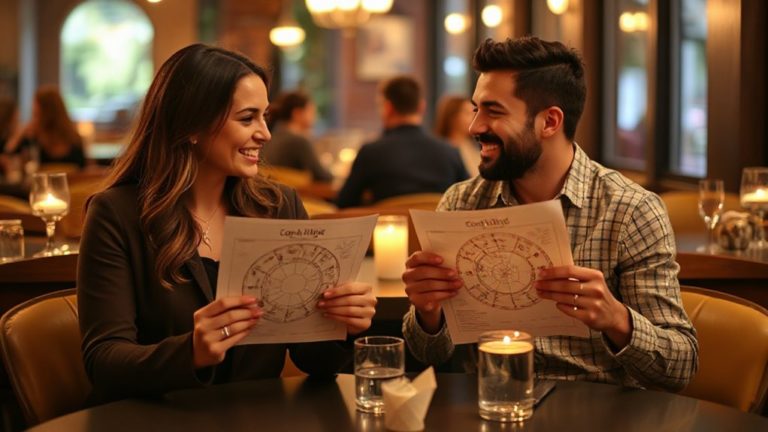



In a world where swiping right costs more than a car payment, Americans are dropping an average of $189 per date—and watching their romantic budgets balloon to over $2,300 a year. Inflation pushed dating costs up 12.5%, and suddenly finding love feels like financing a small vacation. But here’s the thing: spending more doesn’t guarantee better connections, and the numbers prove it.
Americans spend $189 per date and over $2,300 yearly on romance—yet bigger price tags don’t guarantee better connections.
Only 30% of young adults are actively dating right now. That’s one in three. The rest? Sitting it out, and 52% blame insufficient money as the top barrier. Among men, that number jumps to 58%. The so-called dating recession isn’t about lack of interest—it’s about empty wallets and mounting anxiety over who picks up the tab.
Financial honesty matters more than fancy reservations. A staggering 54% consider a partner lying about finances an absolute dealbreaker, while 46% won’t tolerate being asked to borrow money. Meanwhile, 38% refuse to always foot the bill. These aren’t superficial preferences—they’re survival instincts in disguise.
The bill-splitting debate reveals deeper tensions. While 39% view a 50/50 split as a green flag, 27% see it as red, and 34% land somewhere in the confused middle. Yet 47% actually appreciate low-cost date suggestions, proving that creativity beats credit cards. The mixed signals reflect cultural confusion about money and romance, but one truth emerges: transparency wins.
Gen Z is rewriting the rulebook entirely. A remarkable 53% spend exactly zero dollars monthly on dates, ditching pricey dinners for experiences that don’t require reservations or tip calculations. They’re onto something.
Homemade dinners, park picnics, rented bicycles, and building Lego sets together cost practically nothing and reveal far more about compatibility than overpriced cocktails in dimly lit lounges.
Smart dating isn’t about hiring a stylist or personal trainer—it’s about honest communication and resourcefulness. Skip the delivery fees. Pack a basket. Ride bikes. The barriers to dating aren’t insurmountable when 86% of people already have financial dealbreakers anyway. Everyone’s worried about money. Acknowledge it, plan around it, and find someone who values substance over spectacle.
Rejection is common and should be viewed as information, not condemnation, so use dates — expensive or cheap — as opportunities to learn about compatibility.