
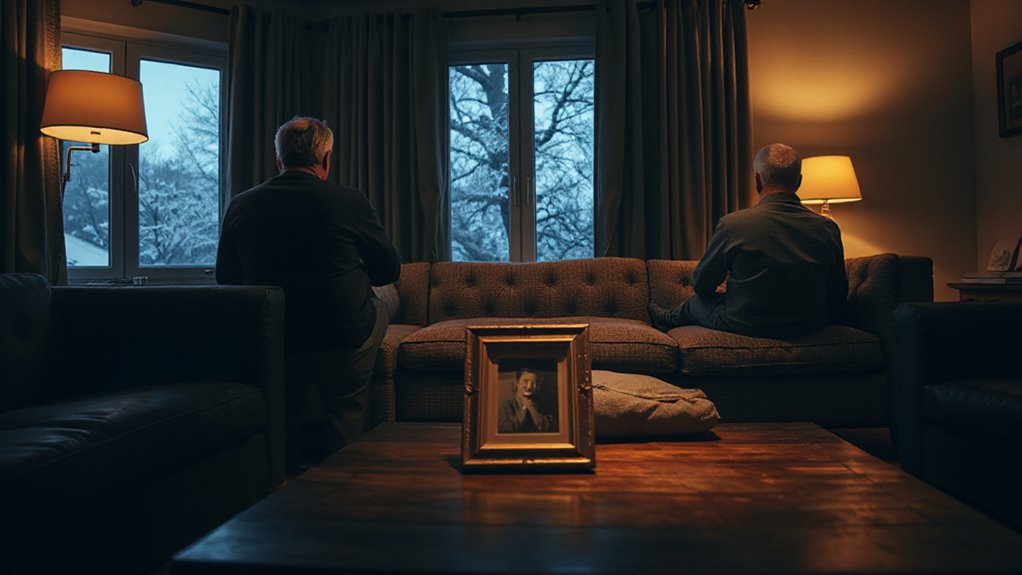


At some point in far too many relationships, the spark doesn’t so much die as quietly slip out the back door while no one’s looking. One day you’re lovers, the next you’re just two people who share a Netflix account and argue about whose turn it is to buy toilet paper. If this sounds familiar, you’re not alone. Roughly 69% of couples experience roommate syndrome in marriage, and most wait six years before doing anything about it.
The spark doesn’t die—it quietly slips out the back door while you’re arguing about toilet paper.
The shift happens gradually. You stop responding to small bids for connection—a comment about their day, a joke, a touch on the shoulder. Happy couples respond to these bids 86% of the time. Unhappy ones? They ignore them. When the positive-to-negative interaction ratio drops below 5:1, negativity takes over and you’re living with a stranger who happens to know where you keep the spare keys.
Here’s the thing: this is fixable. In fact, 73% of marriages survive infidelity with therapy, which means your roommate problem has decent odds if you actually address it.
Start by acknowledging the problem together. Out loud. Then build daily connection rituals, even small ones. Five minutes of conversation without phones counts. Schedule regular date nights and actually go. Rebuild physical intimacy gradually—holding hands matters more than you think. Create new shared experiences instead of just existing in parallel.
The deeper work involves learning to fight fair when conflicts arise and rediscovering the friendship underneath the relationship. Many couples started as friends anyway—somewhere between 40% and 73%, depending on who you ask. That foundation is still there, buried under resentment and laundry.
Professional couples therapy provides tools most people don’t have. Therapists recommend maintaining a 20:1 positive-to-negative ratio in everyday moments, which sounds impossible until you realize it includes smiles, thank-yous, and not rolling your eyes.
The key is acting early. Entrenched resentment patterns are harder to break than fresh ones. Stop waiting for things to magically improve. They won’t. But with deliberate effort, roommates can become lovers again. New research shows that simple maintenance behaviors like staying positive and offering assurances significantly improve relationship satisfaction when partners perceive them as caring rather than obligation, so prioritize staying positive in daily interactions.