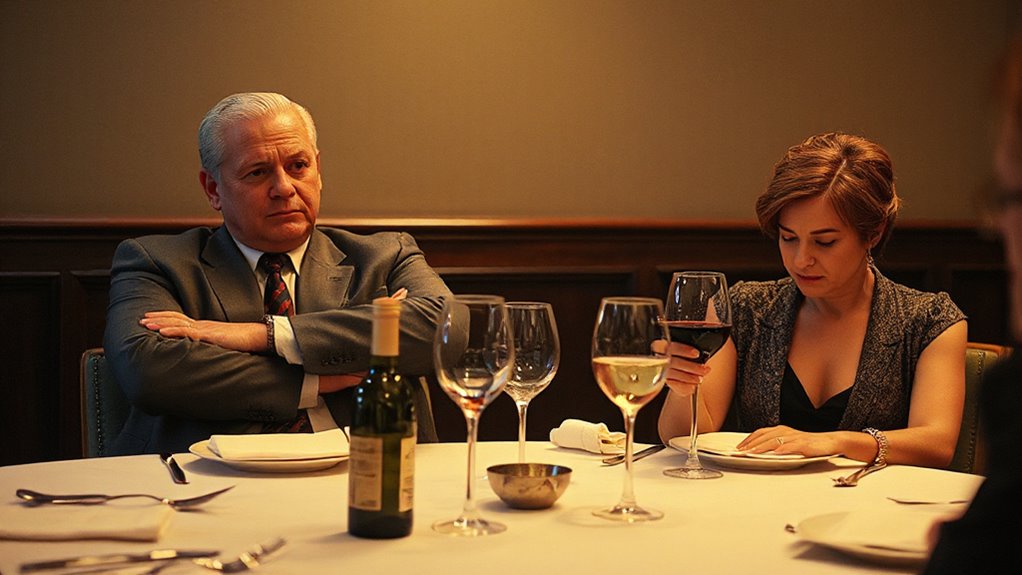



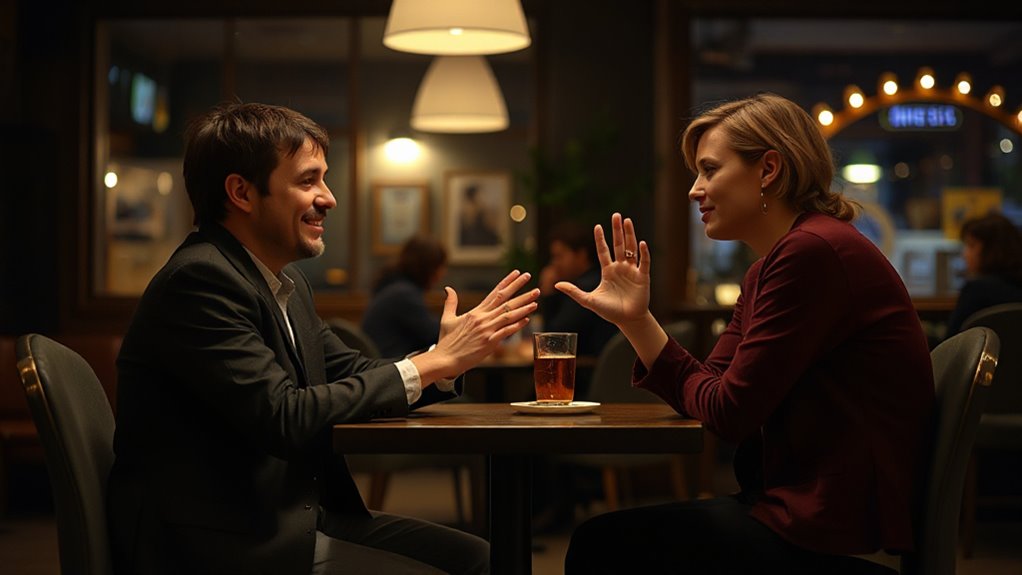
Most people treat first dates like auditions, convinced they need to dazzle their way into a second act. They rehearse stories, polish their wit, and deploy charm like a tactical weapon. The problem? All that performance creates a trap. When someone works too hard to impress, they stop being themselves and start being a highlight reel. Eventually, the routine becomes automatic, and the person underneath disappears.
The performance trap: work too hard to impress and the person underneath disappears, replaced by an automatic highlight reel.
Research shows that effort expenditure in pursuit actually enhances perceived value and sexual desirability. Translation: when dates seem harder to win over, they feel more valuable. But here’s the twist—applying that strategy to yourself backfires. Playing the entertainer makes the other person chase a mirage, not a real human. And once the act becomes habit, switching it off feels impossible.
The irony deepens when you consider what actually predicts first date success. Studies analyzing communication patterns and relational dynamics found that authenticity matters more than fireworks. Only eleven percent of couples report falling in love at first sight anyway. Most romantic sparks grow over time through repeated exposure, not instant chemistry. Chasing that elusive first-date magic by performing harder just creates distance.
Speed dating research reveals another wrinkle: people’s stated preferences rarely match their actual choices. Someone might claim they value spontaneity and humor, then consistently pick dates who are quiet but physically attractive. The performance trap feeds this disconnect. The witty persona someone crafts might attract interest initially, but it doesn’t reflect who they are when the script runs out.
Breaking free requires deliberate practice in the opposite direction. That means resisting the urge to fill silence with rehearsed anecdotes, admitting when something feels awkward instead of smoothing it over, and letting conversations wander rather than steering them toward impressive topics. It feels uncomfortable because vulnerability always does. But research on dating interaction dynamics shows that sharing boundaries and being genuinely present beats polished charm.
The goal isn’t to become boring. It’s to stop treating dates like performances with win conditions. Real connection happens when two people show up as themselves, rough edges included, and see what happens next. Building emotional intimacy also depends on consistent physical affection and ongoing curiosity about each other’s inner worlds.