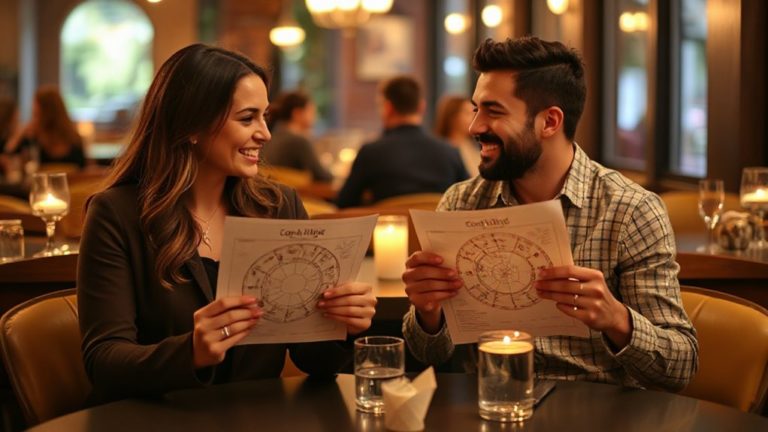




A woman walked out on her date after he dropped $2,000 on dinner, sparking a debate that’s less about gratitude and more about what people expect when someone spends that kind of money on a meal. The story raises questions about dating economics at a time when 46% of men report noticing shifts in dating costs in 2026, and 40% refuse to lower their standards despite rising expenses.
When a $2,000 dinner creates more discomfort than delight, maybe the price tag was never about generosity at all.
That $2,000 tab sits far above what most Americans consider normal. The national average dinner date costs $106, making this particular evening nearly nineteen times more expensive than typical outings. Even in Hawaii, the priciest state for dating at $145 per dinner, this meal would still seem excessive. Maine follows at $141, while Alaska hits $135. These numbers already sit 27% to 37% above the national benchmark, yet they pale next to a four-figure splurge.
The woman’s decision to leave might stem from discomfort with implied expectations. When someone spends that much, it creates pressure, whether intended or not. Dating shouldn’t feel transactional, but dropping two grand on one meal shifts the dynamic. It’s hard to shake the sense that strings might be attached.
Geography matters less when discussing stratospheric spending, though it’s worth noting where dating hits wallets hardest. New York averages $130 per date, Virginia reaches $123, and several states tie at $121. On the flip side, West Virginia offers relief at $77, Kansas at $80, and Illinois at $81—all running 23% to 27% below national norms. Even in expensive markets, reasonable dates exist without breaking into savings.
The real issue isn’t the money itself. It’s the mismatch between what one person thinks impresses and what the other actually wants. A $2,000 dinner might signal generosity to some, desperation or control to others. Transportation costs drive prices higher in places like Hawaii, where taxis charge $4.20 per mile, but no logistical factor explains this particular bill.
Walking out might seem harsh, but staying through discomfort to avoid appearing ungrateful creates its own problems. Sometimes liberation means recognizing when excess isn’t generosity—it’s a red flag dressed in expensive wine. Regular check-ins and respect for both personal space can help partners avoid such mismatches.