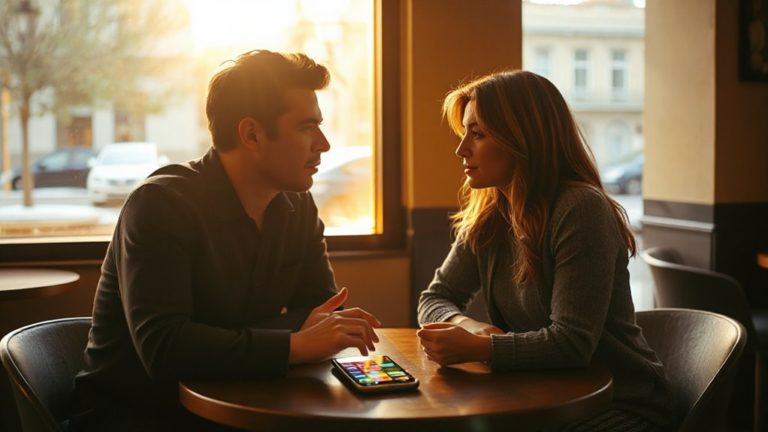

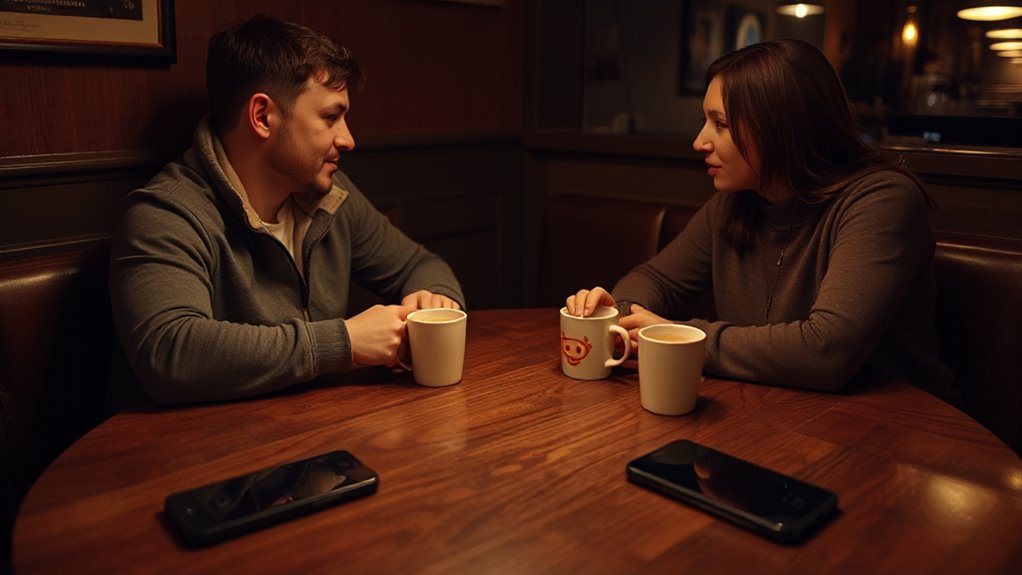

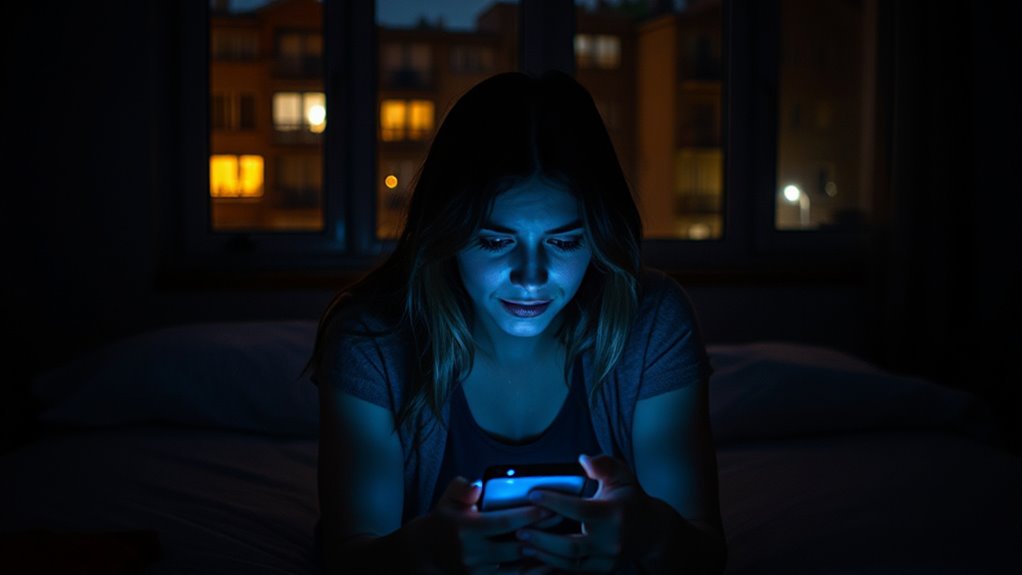
In an age where connection is supposedly just a tap away, Americans are lonelier than ever—and the youngest among them are drowning in it. About 16% of adults report feeling lonely most or all of the time, but that number jumps to a quarter for people under 30. These are the digital natives, the ones who grew up with smartphones welded to their palms. Something isn’t adding up.
Digital natives, raised with connection at their fingertips, report isolation rates twice as high as their grandparents—the promise broken.
The culprit isn’t hard to spot. A Harvard study found that 73% of respondents blame technological dependence for rising loneliness. Social media promised community but delivered endless scrolling, performance anxiety, and unattainable comparisons instead. The more integrated you are with these platforms, the lonelier you tend to be. Young adults prove this perfectly: they’re glued to their screens and reporting isolation rates twice as high as people over 50. Internal work like narrative reconstruction can help people make sense of how technology shapes their social lives.
But technology isn’t working alone. Americans have abandoned the institutions that once anchored them. Church membership hit a historic low in 2023, with just under half belonging to a religious congregation. Civic groups and unions are hemorrhaging members.
Young people especially feel disconnected from their neighbors, making local organizations nearly impossible to find or access. Only 17% of 18-to-29-year-olds feel deeply connected to even one community.
The damage isn’t distributed equally. Adults with less education, lower incomes, and no spouse report markedly higher loneliness rates. Those with college degrees tend to live near libraries, parks, and vibrant neighborhoods—places that breed connection.
Access to common spaces correlates directly with having more friends and feeling less alone. Meanwhile, those already struggling get hit hardest by isolation, losing the social support they desperately need.
COVID temporarily made everything worse, and some rebounds have occurred since. But many connections never returned to pre-pandemic levels. About 22% of young Americans became more socially isolated after the pandemic.
The geographic and lifestyle gaps between Americans keep widening. Older adults fare better—66% of those 65 and up hardly ever feel lonely—suggesting wisdom or simply a different era’s social habits. Life before the internet required more presence and moved at a slower pace, before constant digital stimulation created the void we now feel when disconnected from our devices. Younger generations inherited a fragmented world and are paying the price in isolation.