



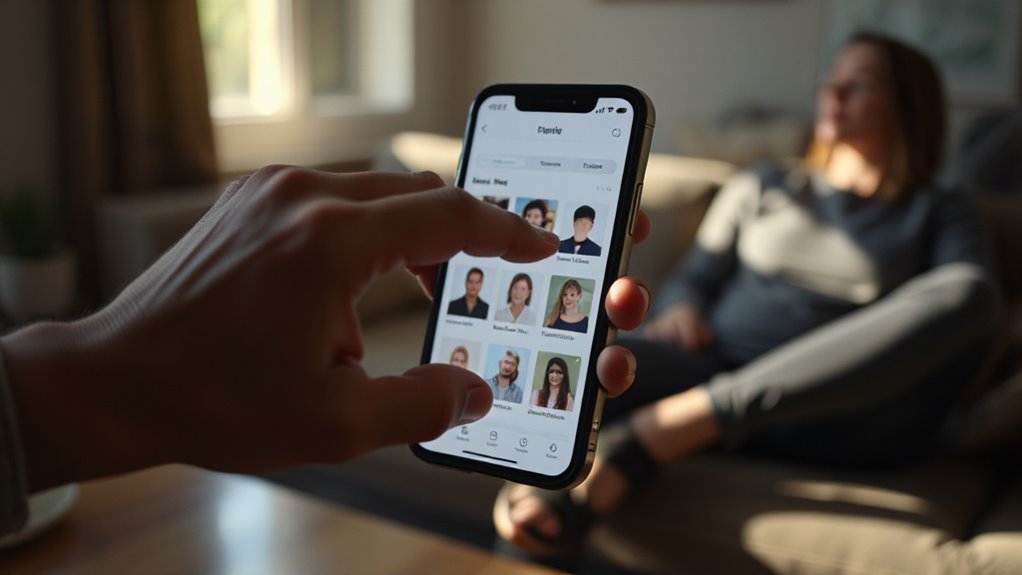
Deciding when to delete a dating app isn’t some cosmic mystery requiring a PhD in modern romance, but plenty of people treat it like one. The truth is simpler than most want to admit: if you’re genuinely focusing on someone, the profile should go. That’s it. No spreadsheet required.
If you’re genuinely focusing on someone, the profile should go. That’s it. No spreadsheet required.
Here’s what the data actually shows. About 42% of dating app users have entered committed relationships through these platforms, and 84% claim they’re looking for something serious. Yet only 11% actually focus on one person at a time. That gap between intention and action is where people get stuck, profiles still active while they’re three months deep with someone they claim to like.
The correlation between activity and success is real—sending more likes increases inbound matches at a 0.93 correlation rate. But there’s a difference between actively searching and keeping your options open out of fear. If you’ve been on multiple dates with someone and conversations are heading toward exclusivity, keeping that profile up sends a contradictory message. Not necessarily to them, but to yourself.
Some people argue they need certainty before deleting anything. Fine. But consider this: 61% of people believe relationships that start online are just as successful as those that begin in person, and 20% of partnered adults under 30 met their current partner through dating apps. Those relationships required someone to eventually commit, which means eventually deleting the backup plan.
The practical benchmark isn’t a specific number of dates. It’s about mutual investment. Are you talking daily? Making plans a week out? Meeting each other’s friends? Those are signals that warrant a conversation about exclusivity, and that conversation should align with action. Even in highly active dating years with 719 total matches, conversion to meaningful relationships remains rare, making it crucial to recognize when genuine connection emerges. Deleting a profile signals commitment once things progress beyond casual dating.
Here’s the blunt version: if you’re serious about seeing where something goes, prove it. Not through grand gestures, but through small, honest choices. The profile can always go back up if things don’t work out. While 41% of users describe their experience as positive, the reality is that hedging indefinitely guarantees you’ll never fully invest in what’s right in front of you. Also, remember that 350 million people worldwide prefer algorithms over chance encounters, which helps explain why so many turn to apps in the first place.