


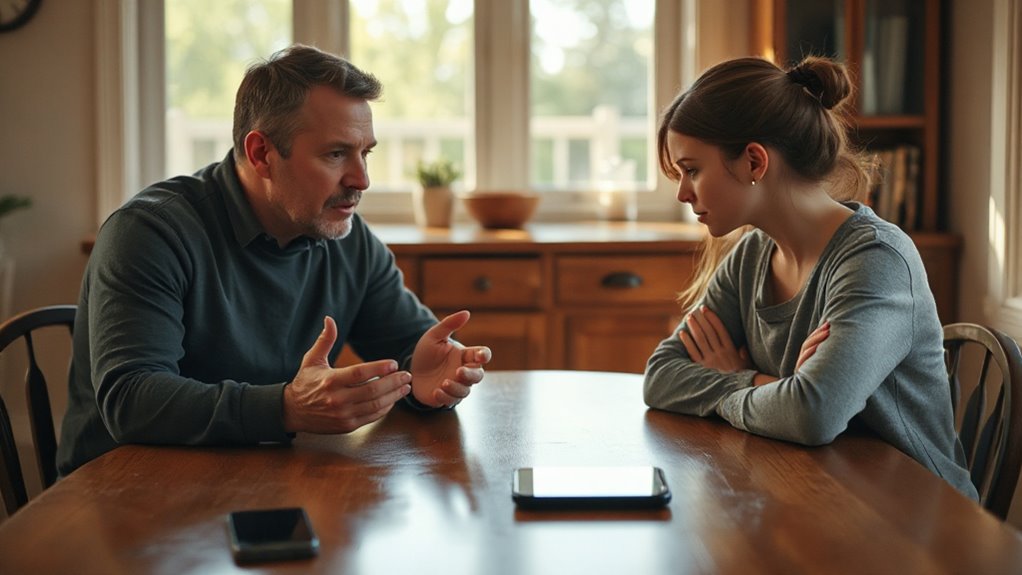
A father sits his kid down and delivers the talk nobody asked for but everyone needs: stop ghosting people. In 2026, this conversation matters more than ever because ghosting has become as common as swiping right. Seventy-four percent of people have been ghosted at least once while dating, and half admit they’ve done it themselves. Gen Z leads the pack at 77%, followed by millennials at 61%. Every year younger you are, you’re 1.08 times more likely to vanish on someone without explanation.
Dating apps made ghosting effortless. One tap and someone disappears from your life forever, no awkward conversation required. Digital culture killed the pressure to be courteous or provide closure. There’s no social consequence, no mutual friend group demanding answers, just silence that speaks volumes while saying nothing at all. It’s avoidance dressed up as self-protection. Many users also overlook basic profile verification features that can reduce deception on apps.
One tap erases someone forever—no explanation needed, no consequences faced, just convenient cowardice disguised as boundaries.
But here’s what this father wants his daughters to understand: ghosting leaves scars. Forty-four percent of people report long-term mental health effects like lowered self-esteem. It breeds sadness, anger, and disillusionment. It makes people trust less and feel lonelier in a generation already drowning in isolation. Twenty-nine percent of all adults have experienced this rejection-by-silence, and the numbers climb higher for younger demographics and LGBTQ adults who use dating apps at nearly double the rate of straight users. The distress comes from ambiguity rather than the rejection itself, as uncertainty prolongs negative emotions while the mind searches desperately for closure. Ghosting correlates with poorer life satisfaction and greater loneliness among those who experience it.
The behavior bleeds beyond dating too. One in six people ghosted potential employers. One in four quit jobs without notice. Half of adults got ghosted by close friends. When avoidance becomes your default response to discomfort, you’re not protecting yourself—you’re eroding your character and everyone else’s faith in human decency.
Something’s shifting though. The 2026 dating landscape shows zero tolerance for ghosting. Emotional honesty now ranks as a top priority. People want clarity, intentional communication, real answers instead of radio silence. So this father’s warning boils down to simple math: treat people like people, not profiles. Say goodbye, even when it’s uncomfortable. Because the person on the other end deserves better than wondering what they did wrong. And frankly, so do you.