



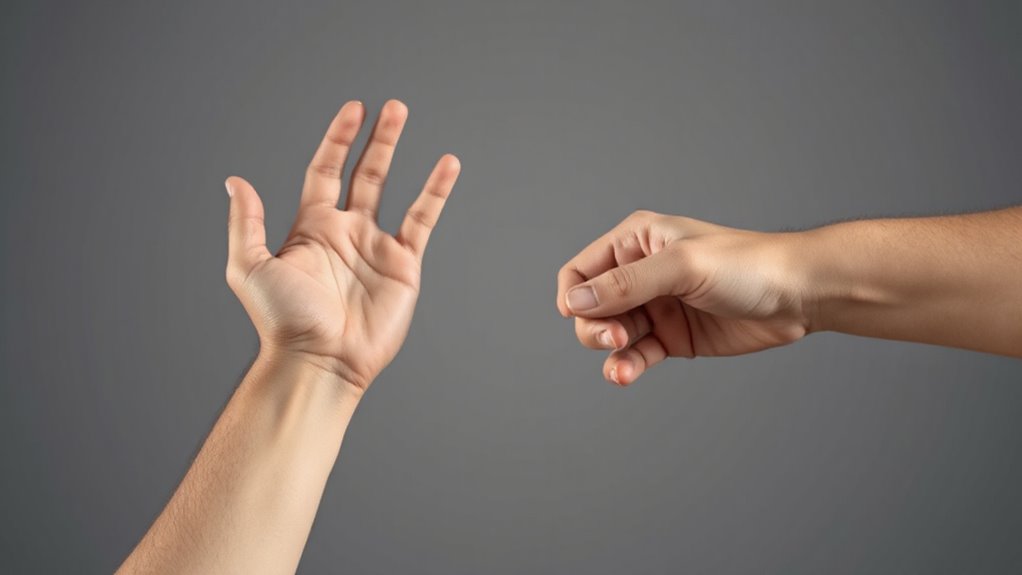
Rejecting someone rarely feels like a conscious choice—it registers more like an instinct, a sudden recoil, a door slamming shut before the mind even catches up to explain why. But beneath that reflex lies a messier truth: the rejection might have less to do with the other person and everything to do with internal conflict. When someone pulls away, they’re often mirroring their own self-doubt outward, projecting the criticism they reserve for themselves onto whoever’s standing in front of them.
Rejection often reveals more about our relationship with ourselves than about the person we’re turning away.
Fear of vulnerability plays a starring role. People avoid conversations that require emotional honesty because opening up means risking rejection themselves. So they hold back interest, keep things surface-level, sell themselves instead of showing themselves. It’s safer to reject first than to hand someone the power to hurt them. That preemptive strike feels like self-protection, but it’s really self-sabotage dressed up as boundaries. This pattern is common and can be influenced by attachment styles that shape how people respond to closeness and threat.
Low self-worth complicates the picture further. Someone might reject another person not because they lack interest, but because they feel unworthy of being wanted. The unconscious logic goes: if this person likes me, something must be wrong with them. Or they’ll discover I’m not worth it eventually, so why delay the inevitable? Rejection becomes a twisted form of control, a way to avoid the terrifying prospect of being seen, accepted, and then abandoned later.
Sometimes incompatibility is real—values clash, lifestyles don’t align, personalities grate. But even legitimate mismatches get weaponized by fear. Behaviors like neediness or defensiveness might push someone away, yet those behaviors often stem from deeper anxieties about acceptance. The person doing the rejecting might be reacting to discomfort they can’t name, mistaking their own unease for a fundamental flaw in the other. Early relationship models shape these patterns, influencing which types of people feel safe versus threatening, often driving someone to reject partners who don’t match familiar—even if unhealthy—dynamics learned in childhood.
High rejection sensitivity amplifies everything. A delayed text becomes evidence of disinterest. A neutral comment feels like criticism. The brain scans for threats to acceptance, finds them everywhere, and responds by rejecting first. It’s a survival mechanism gone haywire, protecting against pain by ensuring it arrives on schedule—delivered by one’s own hand instead of someone else’s. These hair-trigger expectations of rejection can exist even when the threat is imagined rather than actual, creating a self-fulfilling prophecy that reinforces the very pattern someone desperately wants to escape.