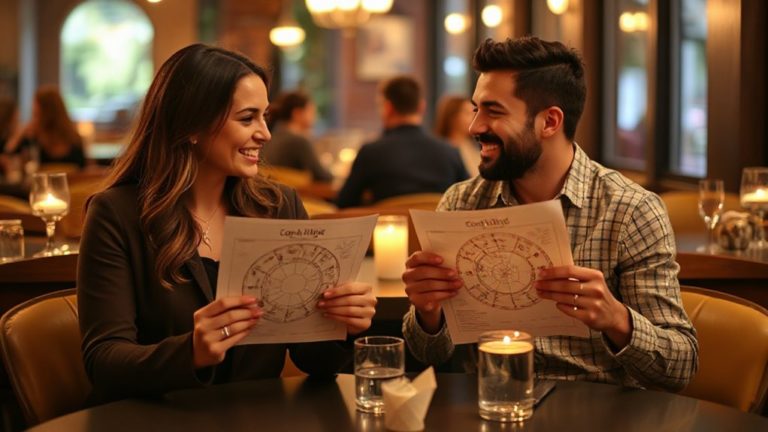
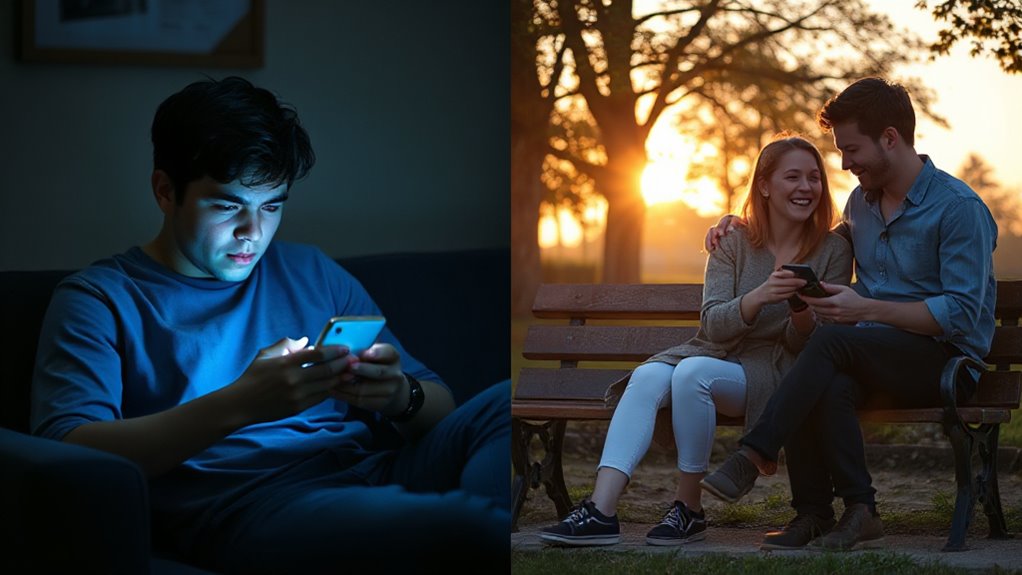

The narrative that Gen Z is rejecting marriage is flat-out wrong, but it’s convenient for headlines. The truth is more nuanced and honestly more interesting. Eighty-one percent of Gen Z still believe in marriage and hope to wed someday. They’re not abandoning the institution—they’re refusing to treat it like a mandatory checkbox on the adulting to-do list.
Marriage used to be the first major step into adulthood, something you did in your early twenties because that’s what people did. Now the average age has jumped eight years since 1950, landing at 30.2 for men and 28.6 for women. Many young people are also trying to protect themselves by being more cautious about personal information and online interactions before committing to life-changing decisions, a habit that reflects broader online safety awareness.
Gen Z watched their Boomer parents rack up the highest divorce rate of any living generation, and they learned something: rushing into marriage because you’re supposed to is a terrible idea.
Economic reality plays a huge role here. Many younger people feel they need to hit certain income levels before they’re “ready” for marriage. Housing affordability concerns make traditional milestones feel impossible. The high costs of weddings themselves have become another barrier, deterring couples from making the decision to marry.
When both partners need to work just to survive, the old breadwinner-caretaker model collapses. Over eighty percent of Gen Z women and sixty-eight percent of Gen Z men favor flexible division of labor anyway, so good riddance to outdated roles.
Here’s what gets missed in the doom-and-gloom coverage: Gen Z is being thoughtful about marriage, not cynical. They prioritize kindness and mental health in partners.
They’re selective, especially young women, who demonstrate pickier standards across most qualities. They’re taking time to find someone compatible rather than settling because society says it’s time. While 58% of all adults now view living together before marriage as wise, this reflects a broader cultural shift toward testing compatibility before formal commitment.
The data backs this up. Sixty-six percent of Gen Z feel excited about marriage possibilities, and seventy-two percent express anticipatory feelings toward it. Only eight percent think marriage is outdated.
Most Gen Z and single millennials are expected to eventually marry—they’re just doing it on their own timeline, for their own reasons.
Marriage isn’t dying. It’s evolving from rite of passage to active choice. That’s not rejection. That’s progress.