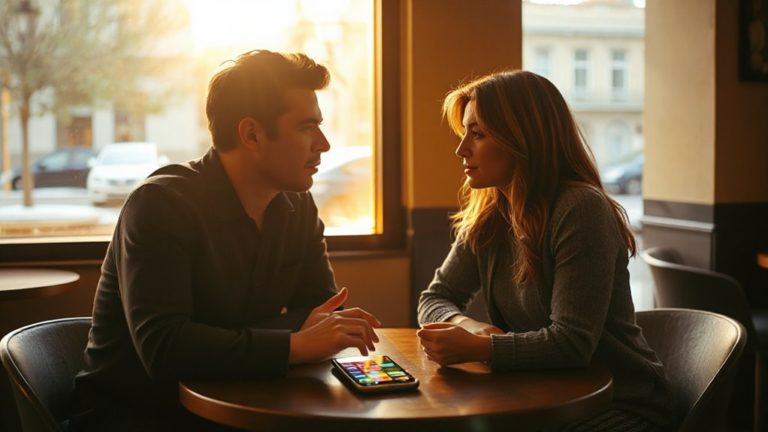



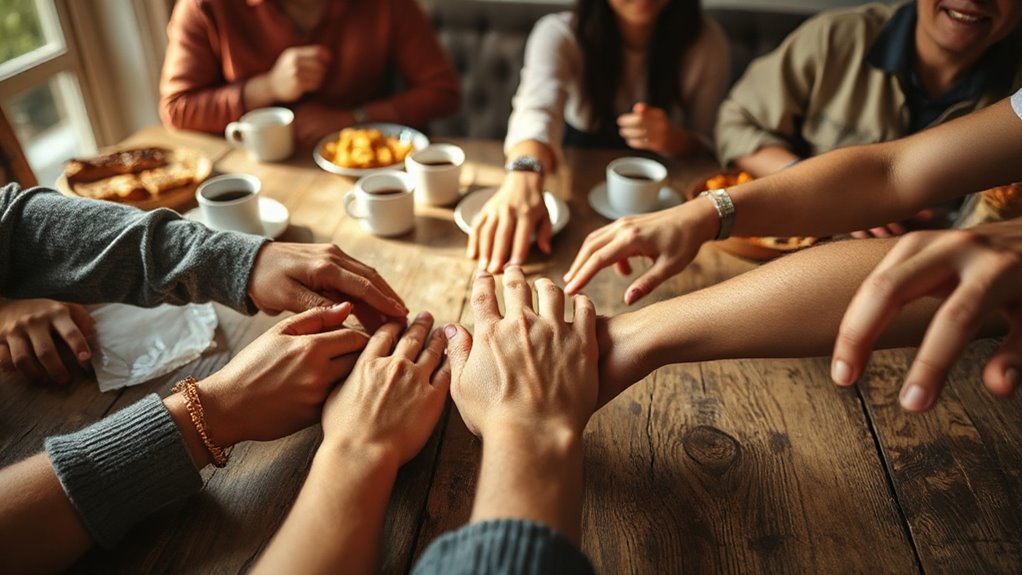
Why does being alone sometimes feel like starving? Because your brain treats social isolation exactly like hunger. Scientists have found that craving human connection activates the same neural circuits as craving food. It’s not poetic—it’s biology. And right now, one in six people worldwide are starving for connection, contributing to over 871,000 deaths annually. That’s roughly 100 deaths every hour linked to loneliness.
This isn’t about needing a soulmate or romantic partner to “complete you.” It’s about needing anyone—friends, family, neighbors—to form the social bonds that literally keep you alive. Social isolation doesn’t just feel bad. It increases your risk of heart disease, stroke, anxiety, depression, and dementia. Loneliness predicts depressive symptoms over time, regardless of age or income. In older adults, perceived isolation lowers life satisfaction and raises blood pressure. The data is clear: strong social connections mean longer, healthier lives. Developing self-love practices helps you form healthier, more resilient relationships.
What separates very happy people from everyone else? Good relationships. The Harvard Study of Adult Development tracked people for decades and found that warm connections predict longevity and happiness better than wealth or fame. Across countries, people who see friends frequently report higher happiness. Even small interactions—a quick email, a hug, a monthly coffee—reduce stress and boost mental health. It’s not about intensity. It’s about frequency. When it comes to well-being, frequency matters more than intensity—many small positive moments throughout your day contribute more to happiness than occasional grand gestures.
Here’s the catch: when you’re lonely, your brain overestimates rejection risk. You feel more social pain, making you less likely to reach out. Isolation triggers unconscious threat surveillance, affecting your sleep quality and hormone regulation. But research shows people respond more positively than you anticipate. Seventy-one percent of people turn to friends or family during stress, and reciprocity forms the foundation of connection. Reaching out works.
Start small. Send one message. Schedule one coffee. Proximity matters—self-care improves when support is nearby. Social prescribing programs now connect isolated people to community resources, reducing stigma and closing the gap between existing and desired social ties. You’re not weak for needing people. You’re human. Stop waiting for someone to complete you. Build a network that sustains you.